



Showing 1 - 10 of 55
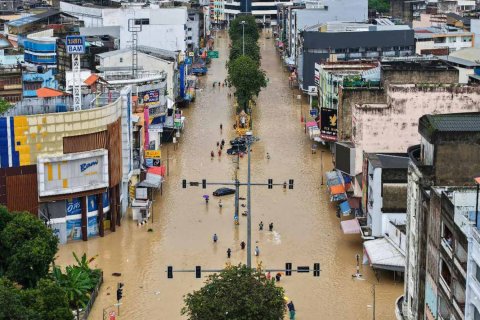
Flood resilience a national imperative
Oped, Srinivasa Popuri and Kotchakorn Voraakhom, Published on 18/12/2025
» The twin cyclones Senyar and Ditwah that struck South and Southeast Asia in November caused unprecedented flooding across the region, with Thailand among the most severely affected.
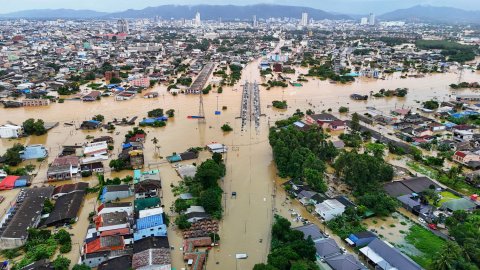
Still not learning
Oped, Editorial, Published on 09/12/2025
» The Anutin government recently launched a national committee to investigate mistakes made during Hat Yai flood management. The goal of the committee, chaired by Deputy Prime Minister Borwornsak Uwanno and flood experts, is to "draw lessons" from the Hat Yai flood disaster, with the hope that such lessons will improve future disaster preparedness.
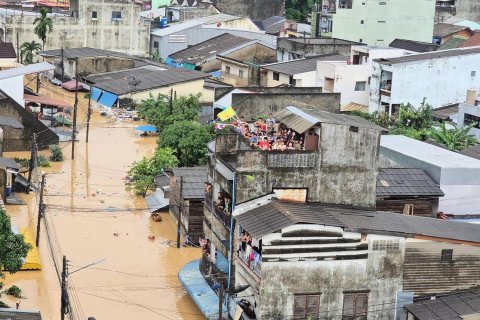
Disaster struck as preparation fell short
News, Nuthasid Rukkiatwong, Published on 03/12/2025
» To understand the devastation in Hat Yai, we need to refrain from finding excuses and culprits and start looking at the factors that led to this catastrophe.

When flood warnings come too late
News, Simon Wang, Published on 29/11/2025
» Pictures can speak a thousand words; images can induce rivers of tears and break so many hearts. Viral images are too grim to look at. Thirty newborns in a darkened ward. Nurses working by flashlight. Outside, streets had become rivers. Parents could not reach their children. In Hat Yai, the water pushed past the second floor.

Disaster management
Oped, Editorial, Published on 28/11/2025
» Deputy Prime Minister Borwornsak Uwanno's decision to blame local mismanagement for the Hat Yai floods is a prime example of delivering useful information at the wrong time, as his remark makes the government look like it is hunting for a scapegoat.

Nuclear recklessness
Oped, Postbag, Published on 29/10/2025
» Re: "Russian leader praises new cruise missile", (World, Oct 28).
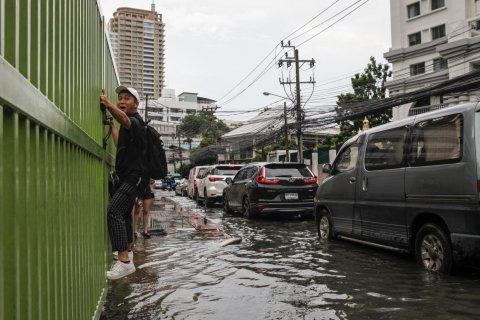
Rethink cities for a changing climate
News, Michael Shafer, Published on 25/10/2025
» Rain is the most ordinary of things. It should nourish crops, fill reservoirs and cool the air. Yet, for millions of people living in the world's big cities, rain has become something to fear.
Floods 'a recurring nightmare'
Oped, George G van der Meulen & Chamniern Vorratnchaiphan, Published on 16/09/2025
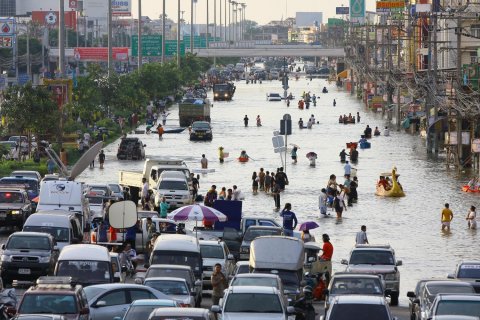
» Thailand has faced floods for more than a century. Some years are worse than others, but the pattern is consistent. The catastrophic 2011 floods remain the most painful reminder: according to the World Bank, they caused US$46.5 billion (1.5 trillion baht) in economic losses, displaced 13 million people, and claimed approximately 800 lives. Much of the country's industrial heartland was submerged for months, severely impacting global supply chains.

Wrong approach
Oped, Postbag, Published on 04/07/2025
» Re: "Porosity can reduce city flood effects", (Opinion, July 2). Nuntachart Ratanaburi, a researcher with the TDRI proposes that increased porosity should be incorporated in Bangkok by using porous cement, asphalt, and "green" strategies to reduce flooding. This idealistic strategy is simply wrong.
Porosity can reduce city flood effects
Oped, Nuntachart Ratanaburi, Published on 02/07/2025
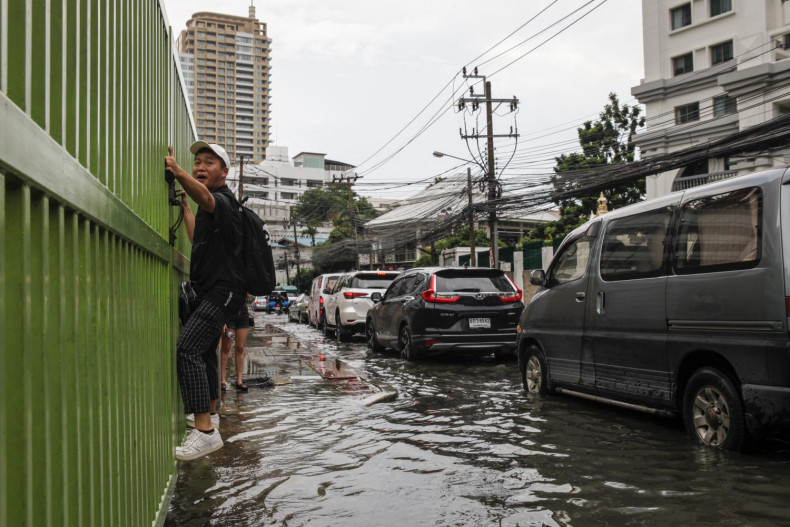
» The rainy season, which officially began in May, combined with the La Niña effect, brings unusually heavy rains that leave several areas inundated. Worse, the climate change impact intensifies weather turbulences with intense, localised rainfall -- known as "rain bombs" or cloudbursts -- that may cause severe floods in areas with a poor drainage system.