



Showing 1 - 10 of 89
Asean's energy security at risk
Oped, Ma. Theresa P. Lazaro, Published on 26/03/2026
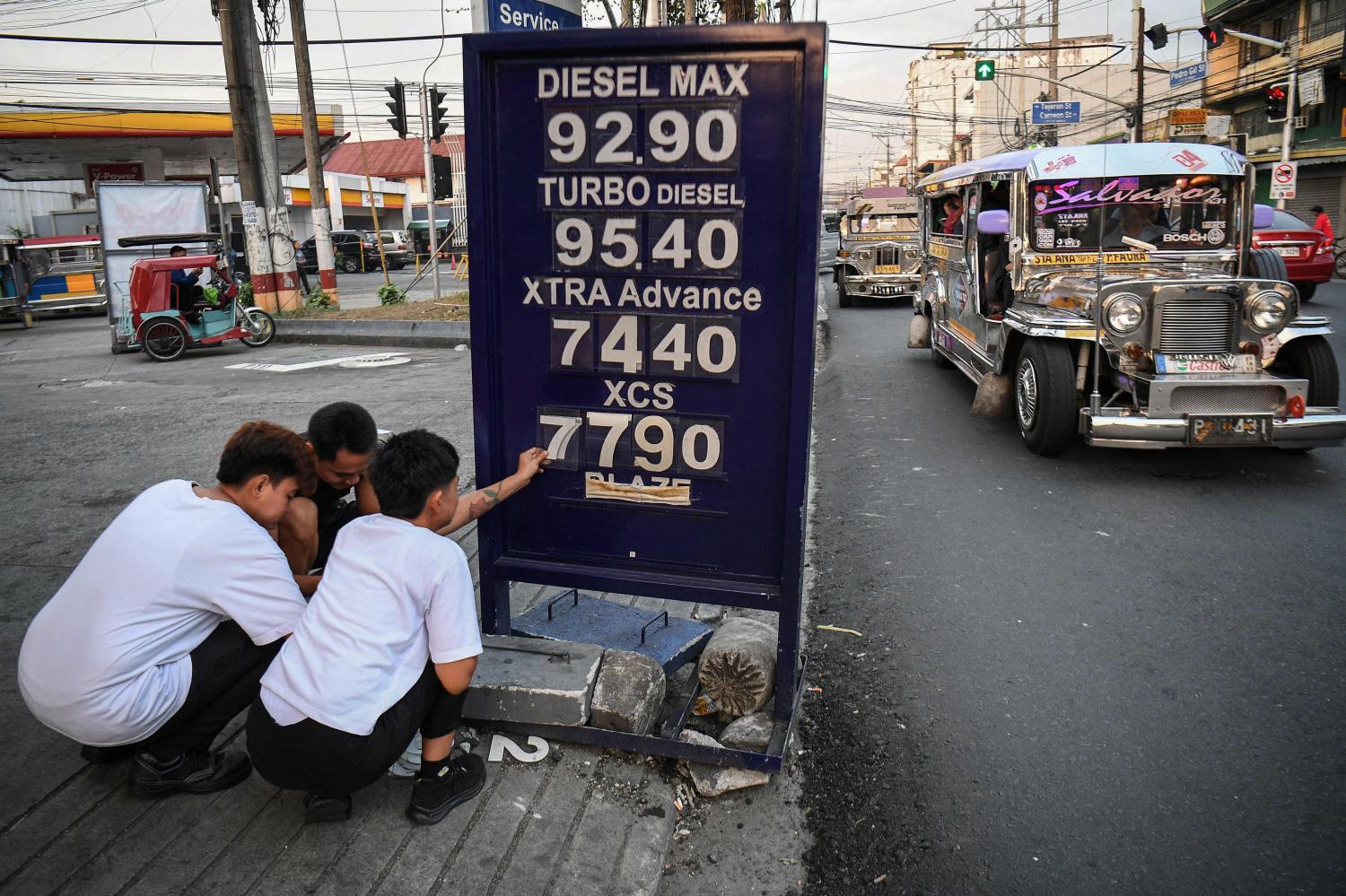
» In June 1986, the five founding members of the Association of Southeast Asian Nations (Asean) assembled in Manila to discuss Asean's response to the global energy crisis, which began with the Iranian Revolution in late 1978.
Time for region to double down on green energy
Oped, Lidy Nacpil, Published on 06/03/2026
» The escalating instability in the Middle East has sent shockwaves through global energy markets, forcing Southeast Asian nations into a precarious position. While the region has made significant pledges to transition toward renewables, the threat of interrupted gas supplies and surging LNG prices is creating a dangerous incentive to prioritise immediate energy security over long-term climate goals.
Brazil's bold industrial turn is a gamble
Oped, Jayati Ghosh, Published on 25/12/2025
» For many in the developing world, Brazil is a rare beacon of hope in an otherwise bleak global landscape. Along with his South African counterpart, Cyril Ramaphosa, President Luiz Inácio Lula da Silva is among the few world leaders who have stood up to US President Donald Trump with dignity and a measure of success.
Let us link our carbon markets
Oped, Xue Song, Published on 08/12/2025
» With CBAM set to cost the region billions from 2026, an Asia-led carbon corridor could turn that threat into a lasting climate and strategic advantage.
COP30 must do good, not just avoid harm
News, Eileen Mairena Cunningham, Published on 17/11/2025
» When indigenous peoples are mentioned in the context of climate change, my mind immediately goes to images of my grandmother's roofless and flooded house, destroyed by a Category 5 hurricane and a Category 4 storm in quick succession.
Why climate finance is no longer enough
Oped, Laura Carvalho, Published on 11/11/2025
» With the UN Climate Conference (COP30) in Belém, Brazil, kicking off, it is clear that the world's widely shared commitment to a just energy transition is falling by the wayside. In the year since governments signed on to the agreement at COP29 to scale up climate finance -- with a goal of mobilising $1.3 trillion (42 trillion baht) annually by 2035 -- wealthy countries have been retreating from their pledges. Worse, these signs of bad faith are coming just as the costs of climate adaptation and decarbonisation in developing countries are mounting.
Time to focus on climate funding
Oped, Rakesh Mohan & Janak Raj, Published on 04/11/2025
» Discussions about climate finance often focus on the most vulnerable countries, such as small island developing states -- and for good reason. But the nine major emerging-market economies (EMEs) -- Argentina, Brazil, China, India, Indonesia, Mexico, Russia, South Africa, and Turkey -- also have significant climate-finance needs, which must be met if the world is to have any chance of achieving its climate goals. Nowhere are those needs larger than in China.
Electricity will decide who wins the great AI race
News, Jeffrey Wu, Published on 20/10/2025
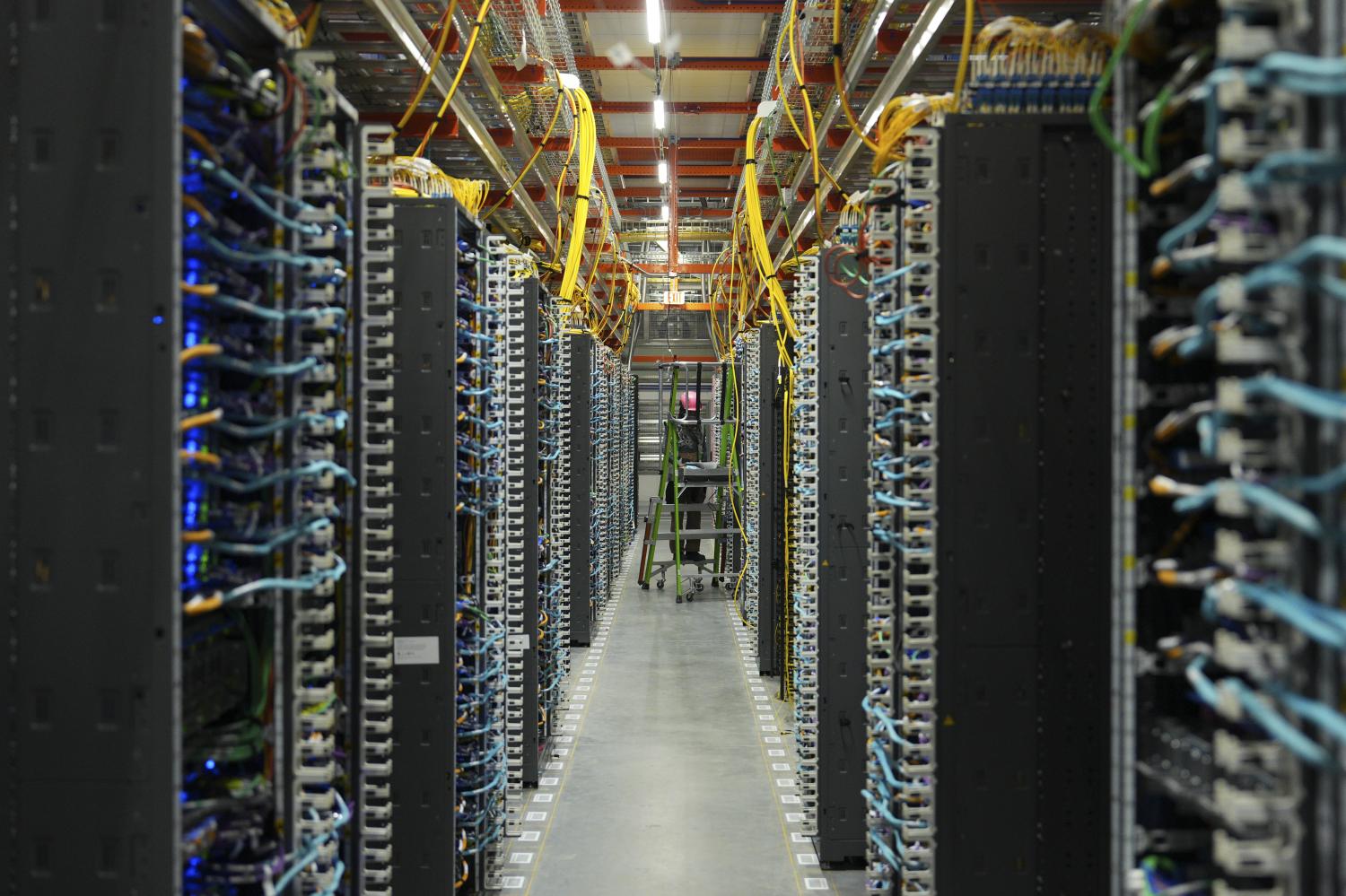
» The next stage of the global AI race will be decided not by algorithms or chips, but by electricity -- and that puts China at a distinct advantage. While Western tech giants are emphasising closed, capital-intensive models that demand enormous computing power, China is embracing open source AI and massively expanding its renewable- and nuclear-energy capacity, thereby positioning itself to deploy powerful AI technologies at scale without breaking the bank.

Commodities nearing super cycle
News, Taosha Wang, Published on 22/09/2025
» Commodities have had a rough decade, but a confluence of structural factors suggests that after years of underinvestment, the stage may be set for the next super cycle.
Can Europe, China forge a climate connection?
Oped, Emmanuel Guerin & Bernice Lee, Published on 12/08/2025
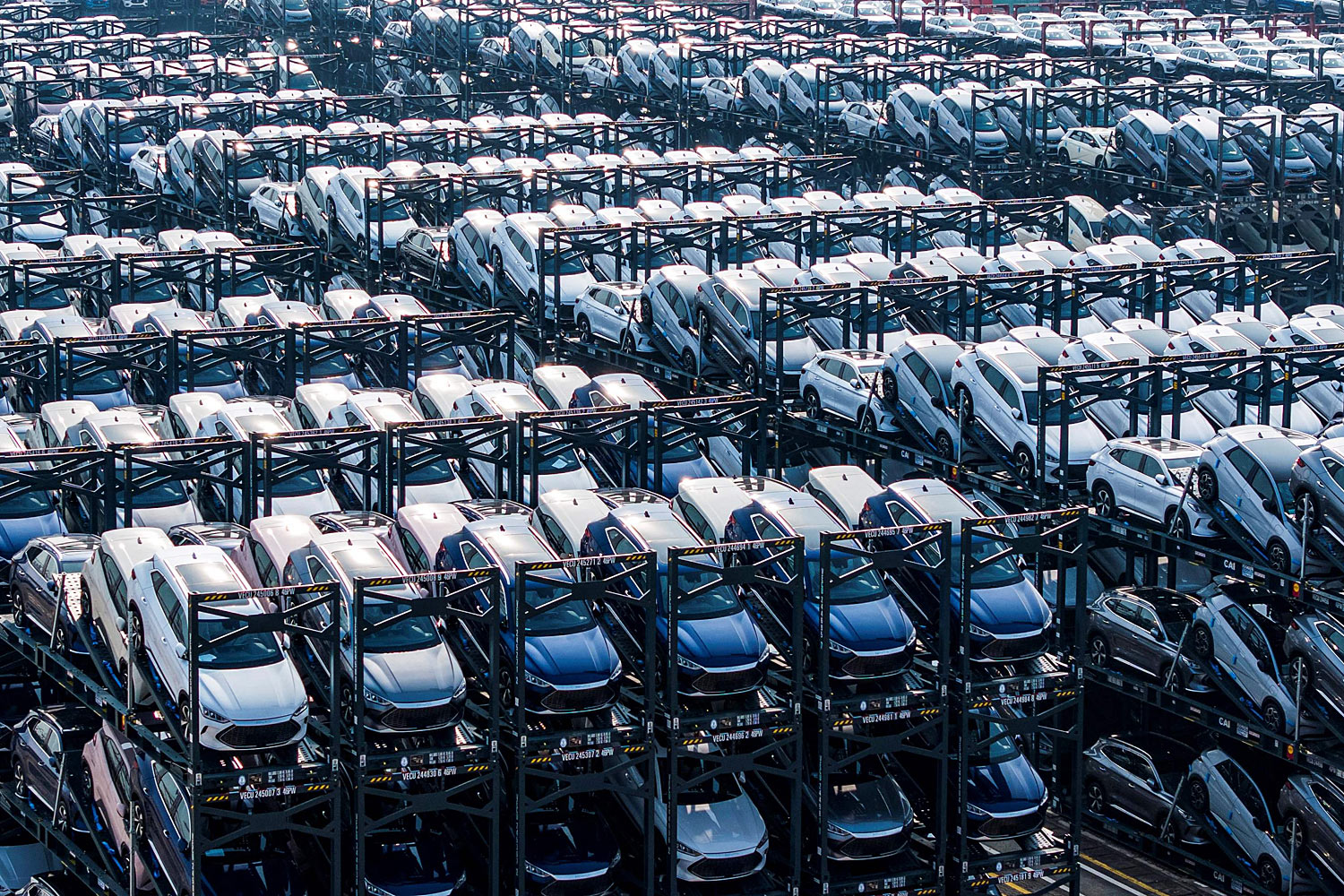
» Earlier this year, the Chinese firm CATL, the world's largest battery-maker, unveiled an electric-vehicle (EV) battery capable of delivering a remarkable 520 kilometres (323 miles) of driving range after just five minutes of charging. The announcement came a month after BYD, China's leading EV manufacturer, launched its own ultra-fast charging system. In solar, too, the numbers are staggering: Chinese firms can now produce over 1,200 gigawatts of solar panels annually.