



Showing 1 - 10 of 21
G20 must commit to debt relief
Oped, Olusegun Obasanjo, Published on 04/12/2025
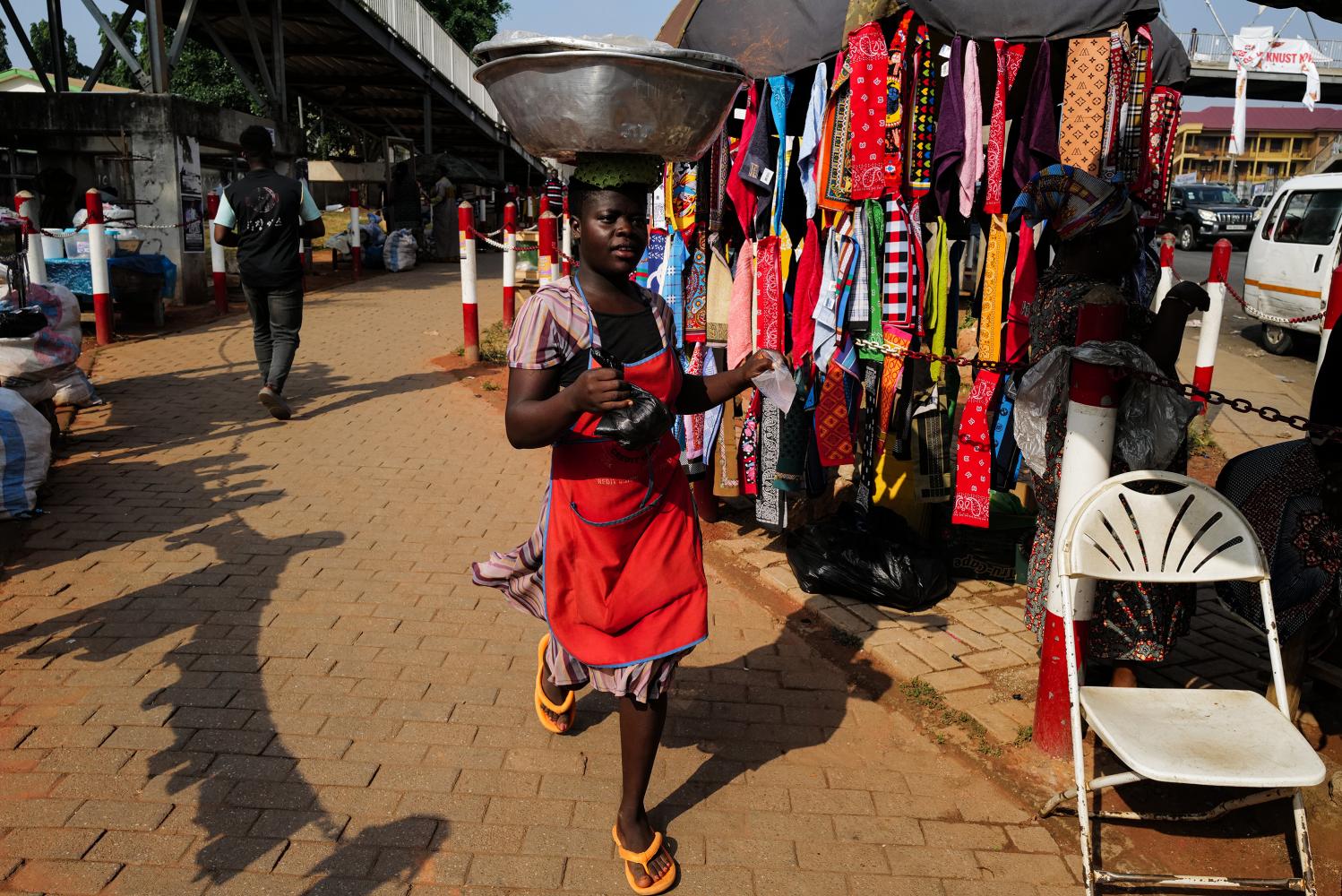
» As G20 leaders met in Johannesburg last month, they faced a grim reality: many developing-country governments are spending more than they can afford on debt service. To keep funds flowing to foreign creditors, policymakers have been forced to cut spending on education, health care, and infrastructure. These countries have so far avoided default, but at the expense of their own development.
Renminbi debt in a dollar-denominated world
Oped, Paola Subacchi, Published on 25/09/2025
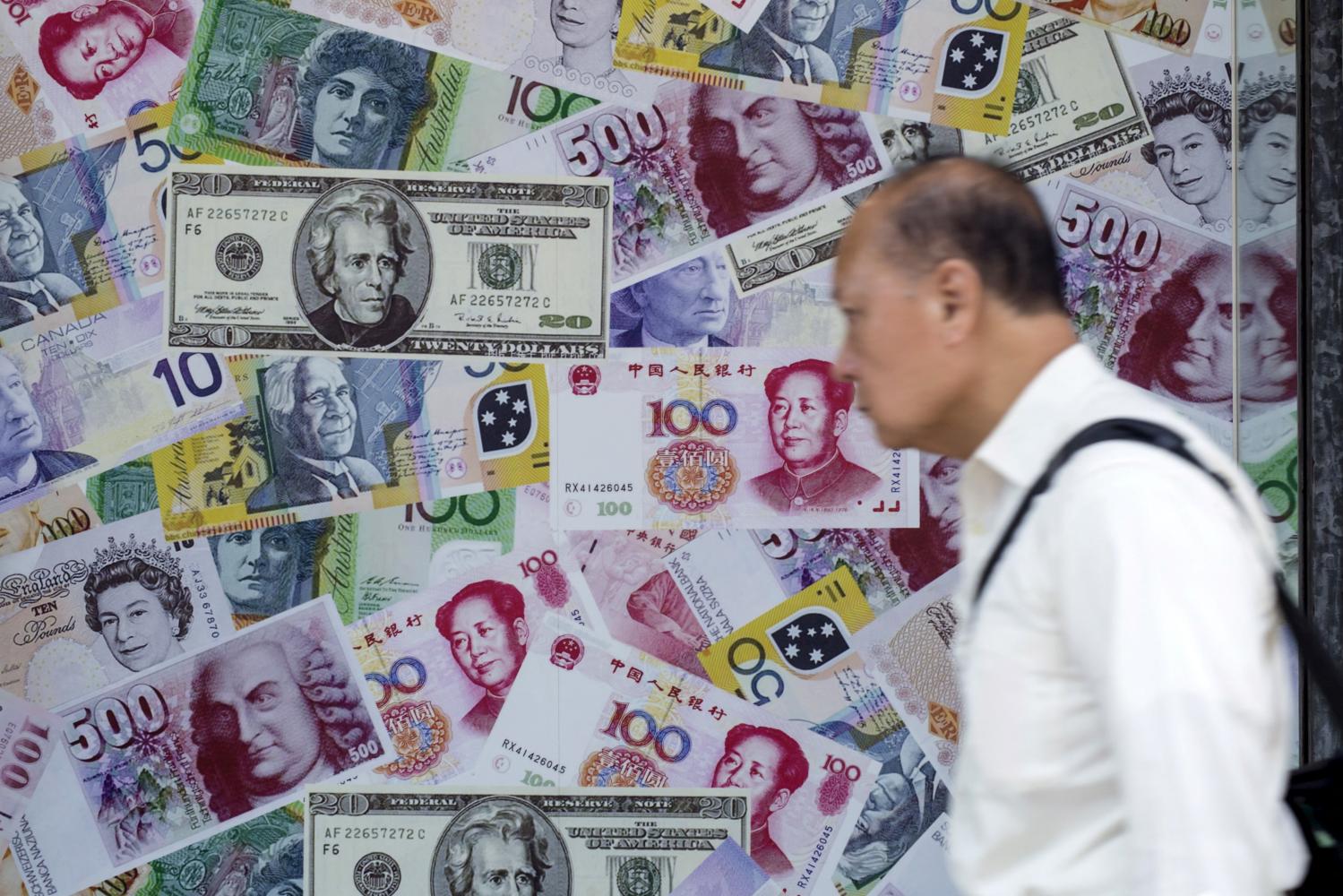
» When governments borrow on international markets, they do so overwhelmingly in US dollars. Roughly two-thirds of international debt issuance is denominated in foreign currencies, of which nearly half is in dollars and about 40% is in euros. The rest is spread across other currencies, including the Chinese renminbi.
Thai SMEs are in need of a lifeline
Oped, Dai Kadomae, Published on 07/08/2025
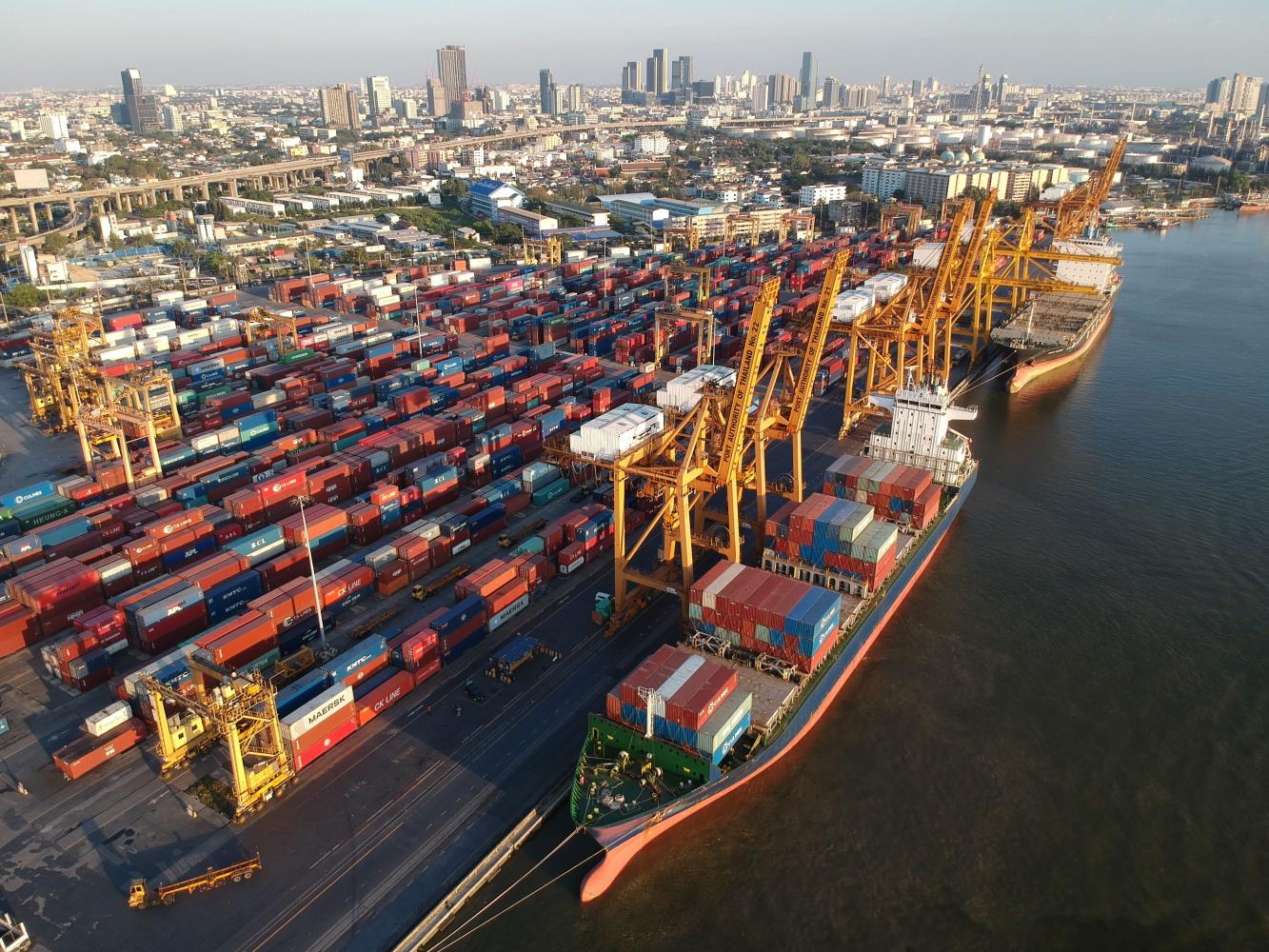
» Thailand's small and medium-sized enterprises (SMEs) are quietly suffering through a credit crunch with far-reaching implications. Despite accounting for over 90% of registered businesses, SMEs are finding it harder than ever to access capital. The economic recovery has been uneven, and traditional lenders -- still cautious after the pandemic -- are reducing risk exposure. But the core issue is not merely liquidity; it is the absence of a national system for reviving viable but stressed firms.

This UN debt initiative is different
News, Mahmoud Mohieldin, Paolo Gentiloni, Trevor Manuel and Yan Wang, Published on 07/04/2025
» Economic development requires financing that is affordable, accessible and has maturities matched to development outcomes. Yet for most developing countries, none of the above apply. Instead, an escalating "debt disaster" is unfolding across much of the developing world, exacerbated by a series of cascading global crises.

Govt keen to dangle debt relief
News, Veera Prateepchaikul, Published on 24/03/2025
» Former prime minister Thaksin Shinawatra's recent idea to solve the problem of non-performing loans (NPLs) in the household debt sector is just a further extension of two similar programmes introduced by a previous Pheu Thai-led government to ease the financial burden of small debtors and SMEs.

Moving towards a fifth world order
Oped, Gordon Brown & Mohamed A El-Erian, Published on 26/10/2024
» The Bretton Woods institutions -- the International Monetary Fund and the World Bank -- are now 80 years old. But they are as under-resourced and poorly supported by national governments as at any time in their history. Their predicament is perhaps the clearest sign that economic and financial multilateralism is fragmenting along with the global economy. Worse, this fragmentation comes at a time of rising international tensions, financial fragility, sputtering growth, rising poverty, and mounting reconstruction bills in Gaza, Lebanon, Ukraine, and elsewhere.
The West's stealthy assault on democracy
Brahma Chellaney, Published on 12/09/2024
» With great-power rivalries again at the centre of international relations, democratic governments have been relying on secret statecraft to shape or sway regimes in weaker states, including by supporting or aiding regime change. Far from advancing democracy globally, these efforts are exacerbating its vulnerabilities at a time when authoritarianism is on the rise.

Debtors rock but creditors may not roll
Oped, Anne O Krueger, Published on 26/12/2023
» In its latest World Economic Outlook, the International Monetary Fund (IMF) reported that a rising share of countries -- 56% of low-income countries and 25% of emerging markets -- are "in or at high levels of debt distress".

Addressing the great debt conundrum
Oped, Anne O Krueger, Published on 30/09/2023
» The exponential growth of international capital flows, predominantly in the form of debt, has been one of the great development successes of the past 50 years. But while foreign lending has played a pivotal role for developing economies, loans are a two-edged sword. When used judiciously, they can generate high returns, boost GDP growth, and improve the well-being of borrower countries. But if debts accumulate and the debt-servicing burden increases without a commensurate increase in repayment capacity, the consequences can be severe and even disastrous.
Financial systems failing Africa
News, Akinwumi A Adesina, Published on 23/06/2023
» The United Nations Secretary-General, António Guterres, recently sounded an ominous alarm bell. The Sustainable Development Goals (SDG), which aim to significantly reduce poverty around the world and create a better quality of life for all, are off track, he warned.