




Showing 1 - 10 of 1,523
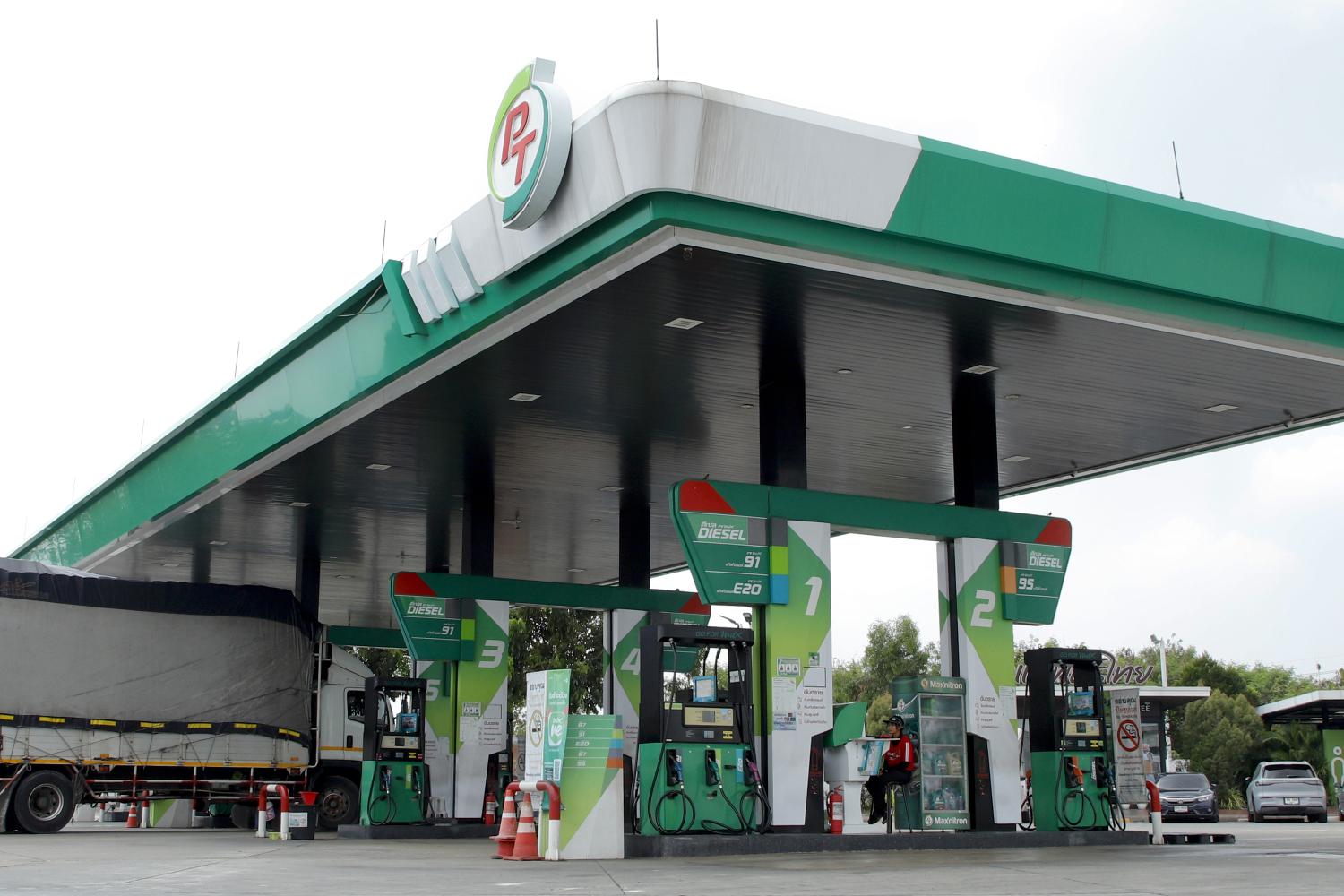
Conflicts of interest worsen crisis
News, Veera Prateepchaikul, Published on 06/04/2026
» Transport Minister Phiphat Ratchakitprakarn's resignation as head of the committee handling the oil crisis caused by the war in the Middle East has spared him from public criticism over a potential conflict of interest linked to his family's oil trading business.

Fairness key during crisis
News, Editorial, Published on 06/04/2026
» Surging oil prices driven by war in the Middle East are forcing our new government to act more to rein in oil prices and pacify public anger directed at oil refineries.

Co-pay scheme misses mark
Editorial, Published on 05/04/2026
» A newly elected government following through on its campaign promises is usually a cause for praise. However, the Anutin Charnvirakul administration's vow to resurrect its flagship "Khon La Khrueng Plus" or Half-and-Half co-payment scheme is instead being met with trepidation.
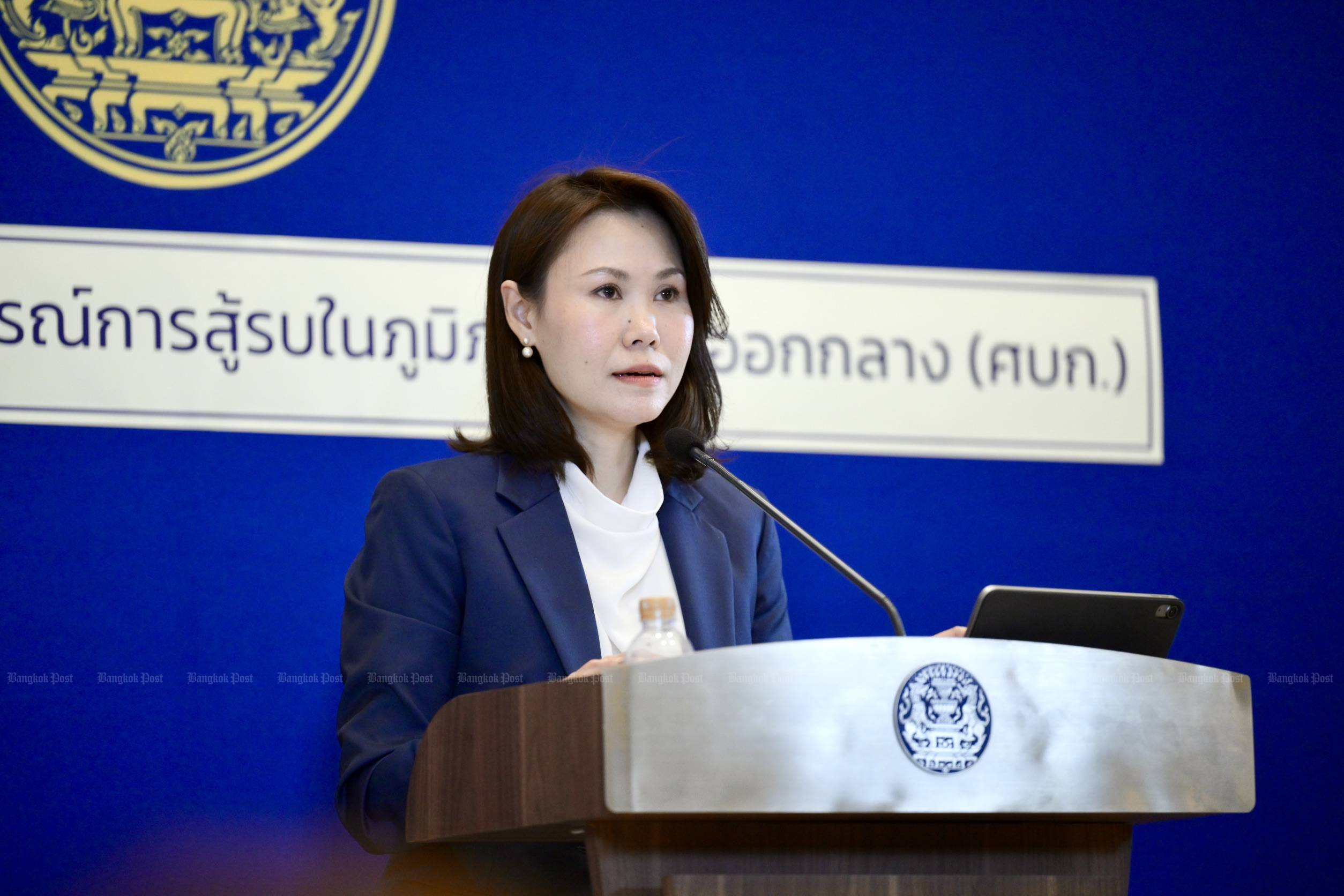
No, this is not a New Normal
Vanich Kittichai, Published on 04/04/2026
» “This is the New Normal” is how spokesperson for the Centre for Monitoring the Situation in the Middle East, Nuttaa Mahattana, has characterised Thailand’s current struggle with soaring fuel and commodities prices triggered by the war in the Middle East.
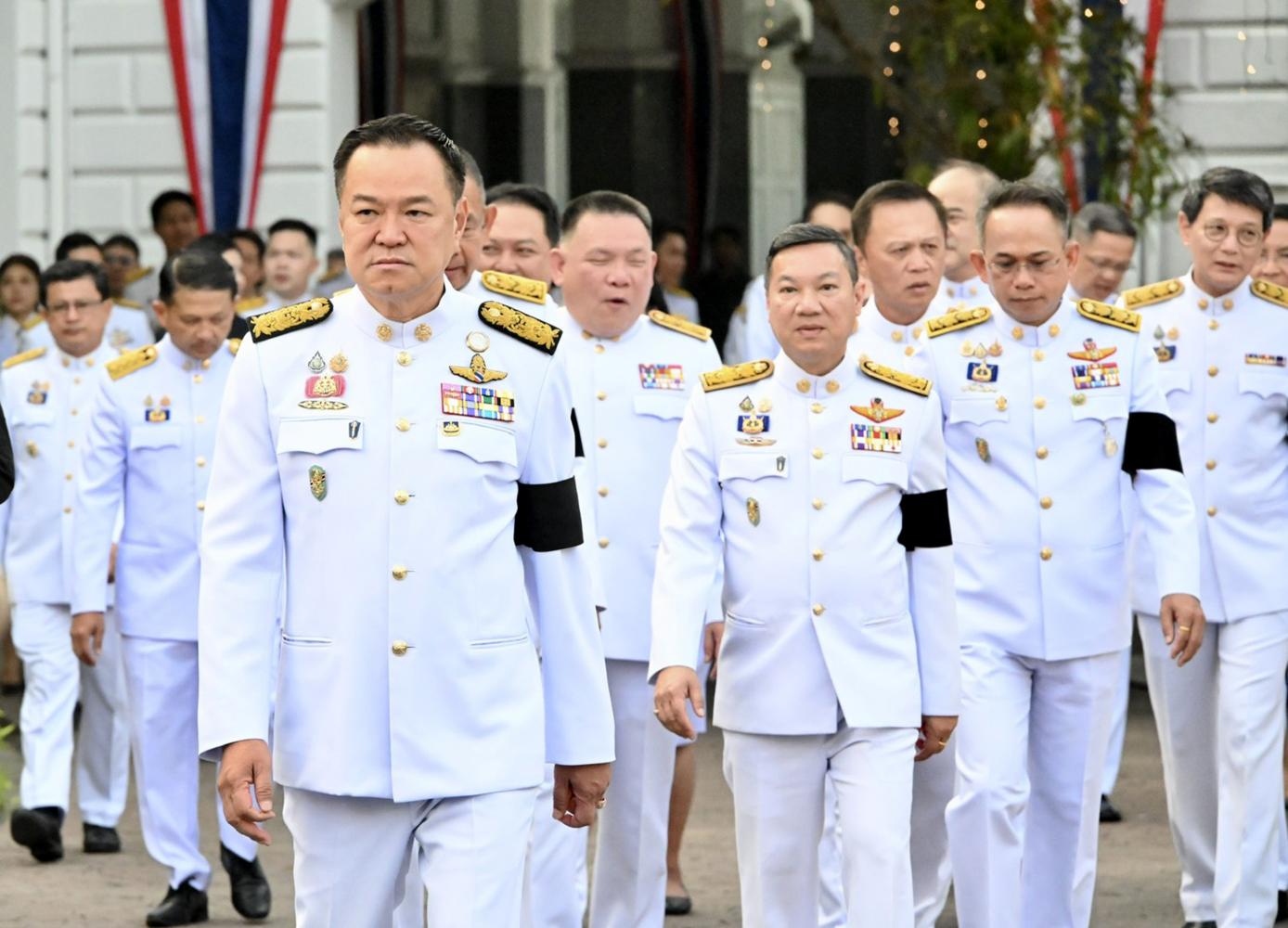
Government stability tests performance
Oped, Thitinan Pongsudhirak, Published on 03/04/2026
» Prime Minister Anutin Charnvirakul has gone from strength to strength, leveraging a stopgap minority government late last year into solid majority rule after the Feb 8 election.
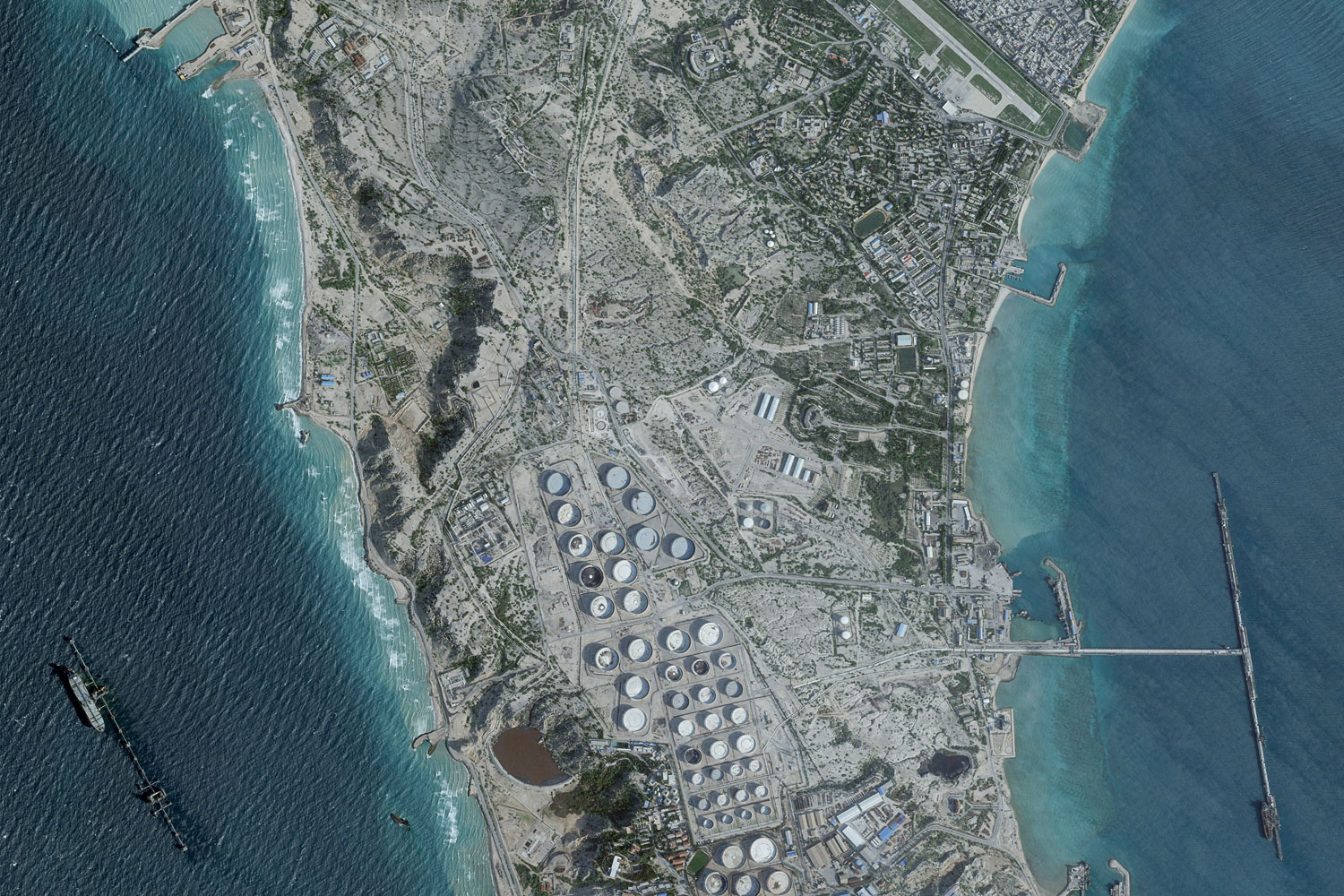
Will Kharg Island decide the future of US alliances?
Oped, Carla Norrlöf, Published on 03/04/2026
» The key question about Iran's energy-export terminal on Kharg Island is not whether the United States can seize or disable it. Of course it can.
Some shock therapy or slow healing?
Oped, Chartchai Parasuk, Published on 02/04/2026
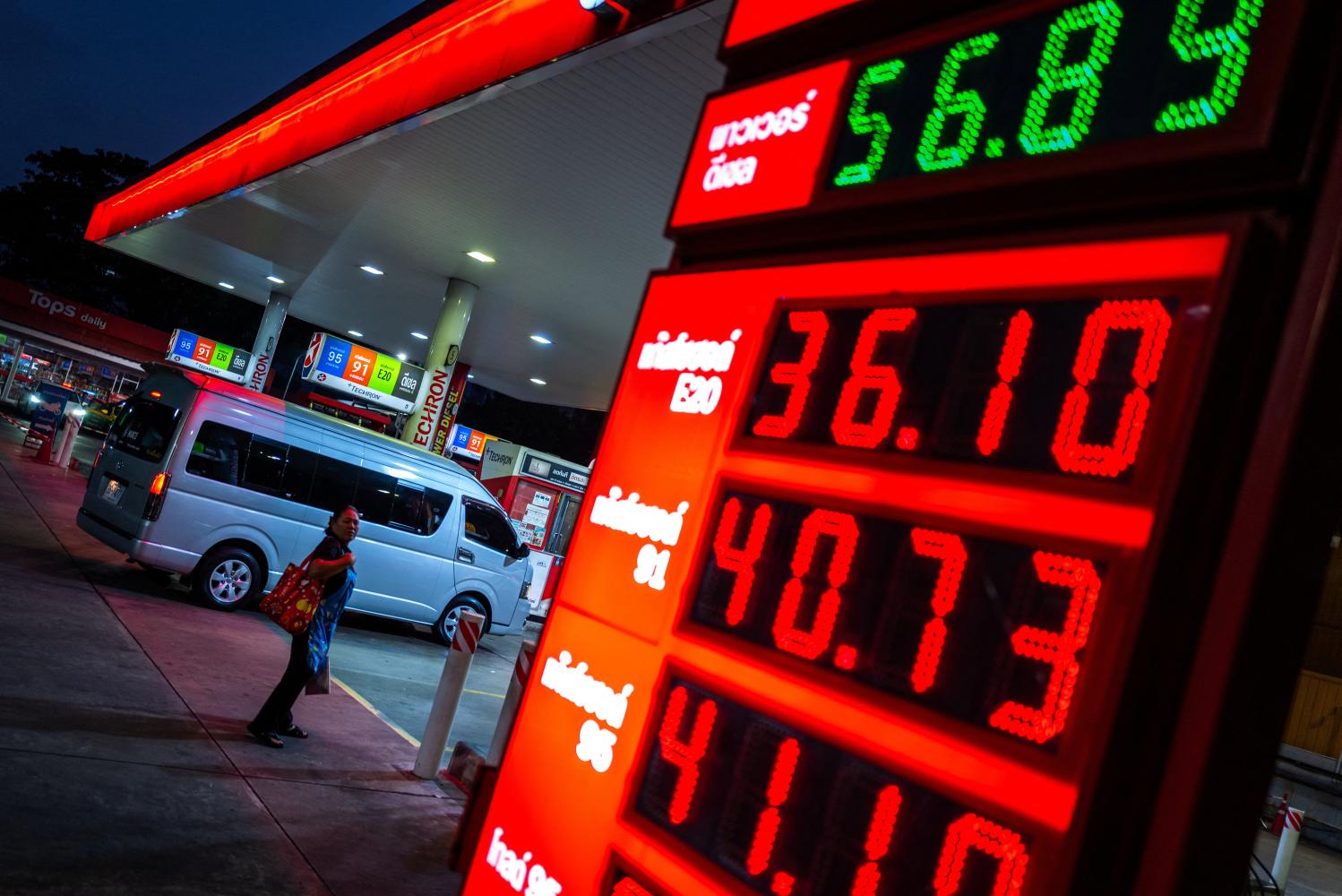
» Do readers prefer shock therapy or slow healing? This is not a health question, but an important economic one.
Russia is winning the Iran War
Oped, Chris Patten, Published on 02/04/2026
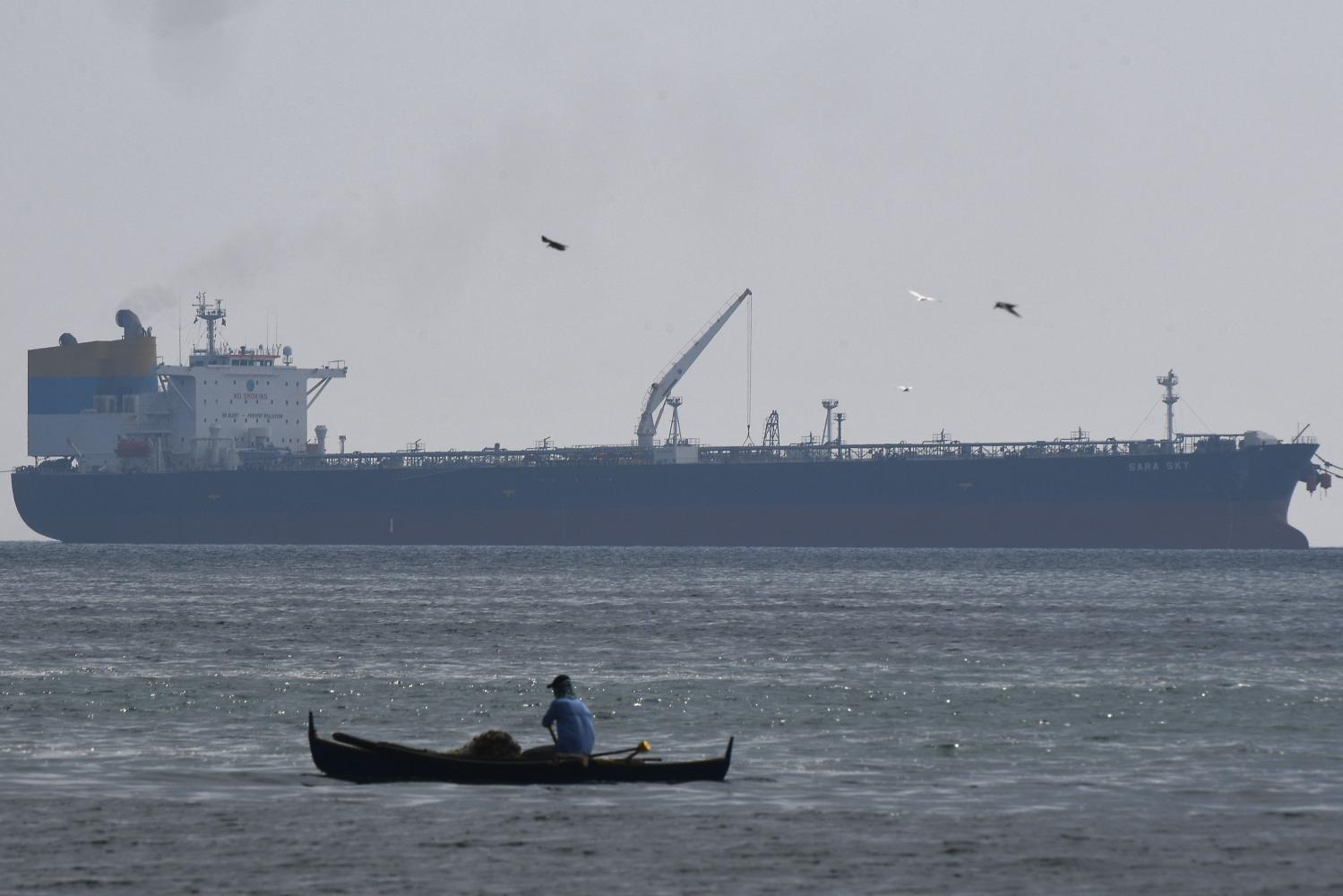
» While the rationale for US President Donald Trump's Iran war is difficult to decipher, its main beneficiary is far easier to identify: Russian President Vladimir Putin.
Gulf states tell US ending the war is not enough
Oped, Samia Nakhoul, Published on 31/03/2026
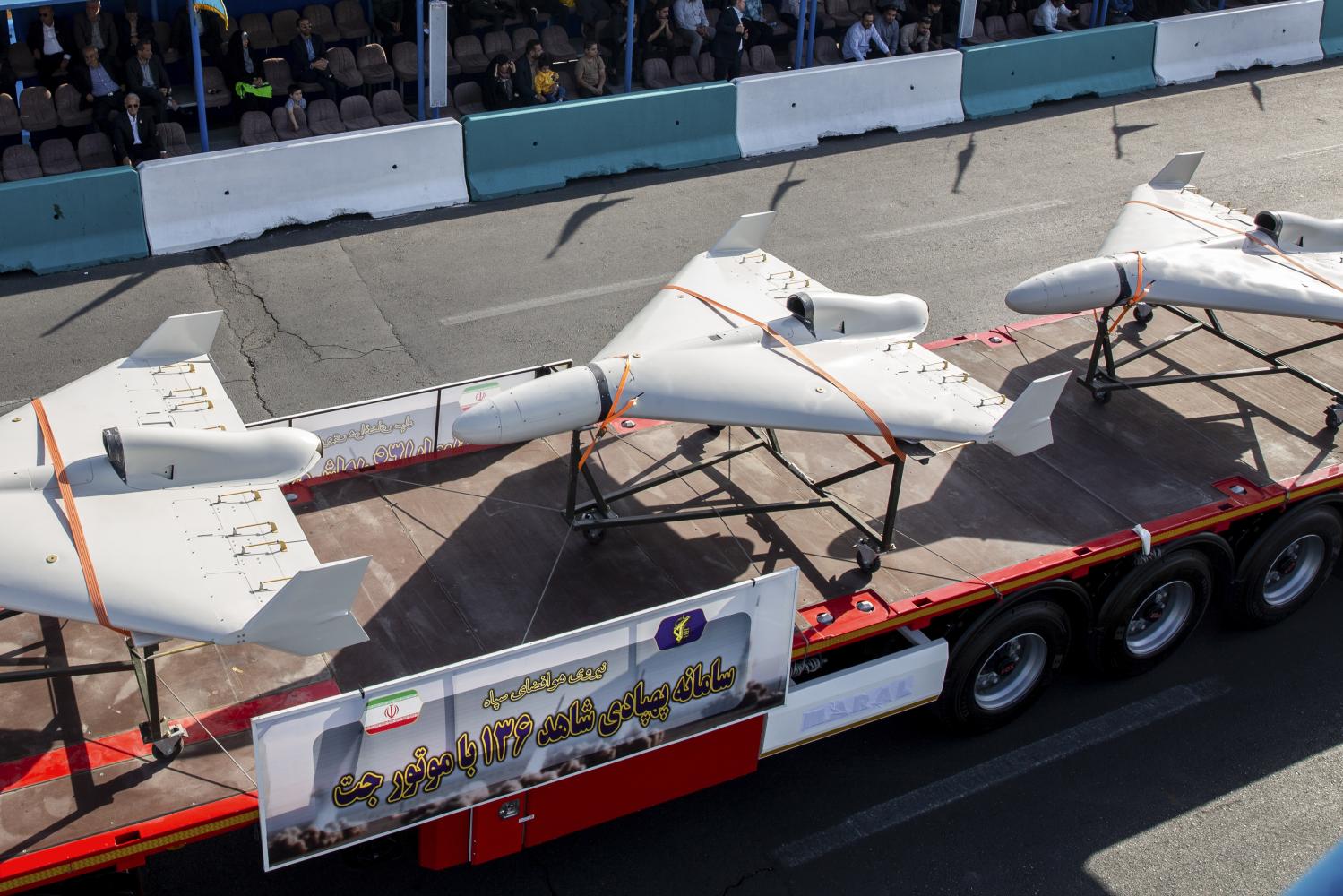
» Gulf Arab states are telling the US that any deal with Tehran should do more than end the war, and must permanently curb Iran's missile and drone capabilities and ensure global energy supplies are never again "weaponised", four Gulf sources said.
The silent engines of Asean realism
Oped, Imran Khalid, Published on 30/03/2026
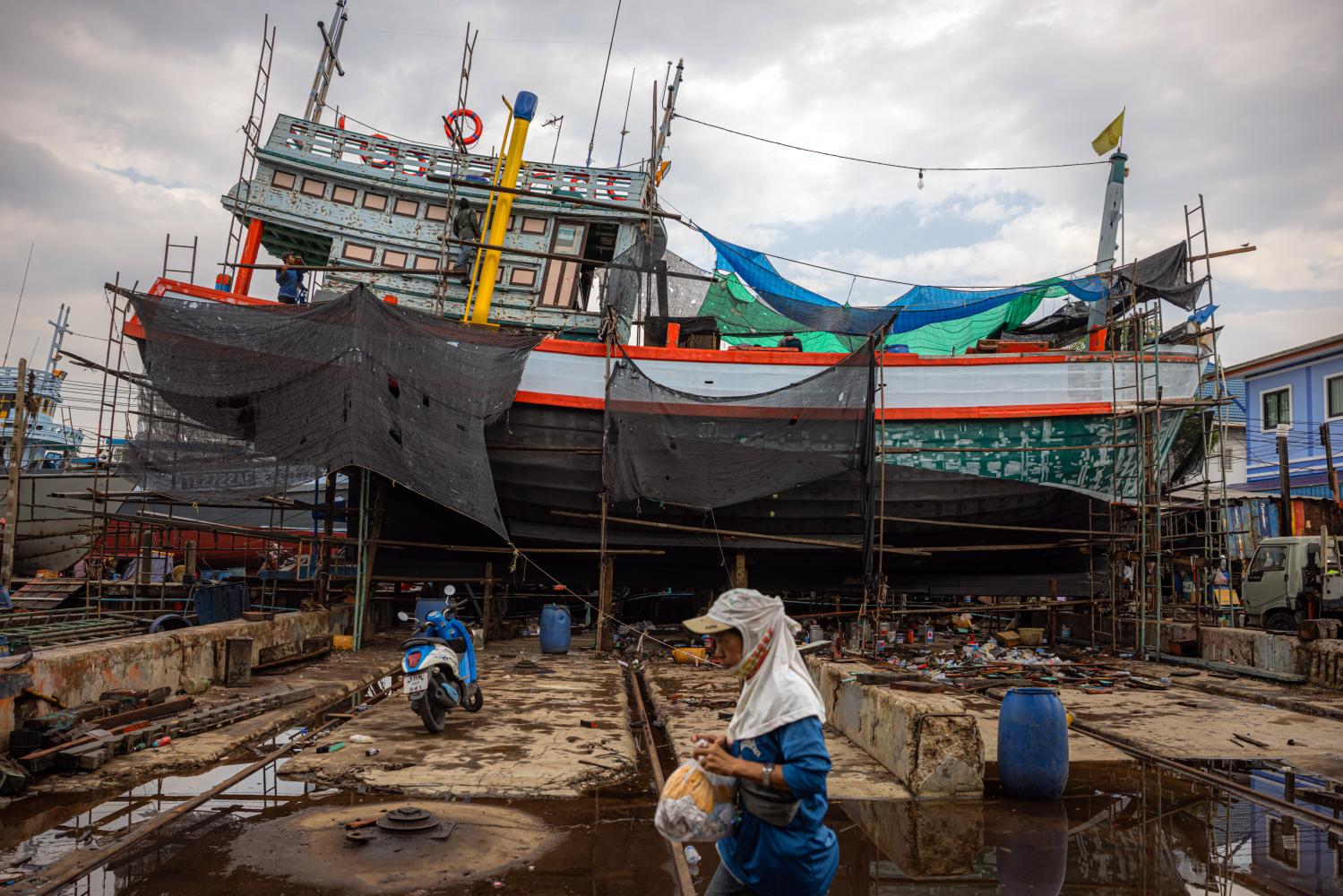
» The global economy is currently tackling what may be the most significant energy disruption since the 1970s. The effective throttling of the Strait of Hormuz -- now seeded with Iranian Maham mines and subject to a tense, IRGC-monitored tolling system -- has physically severed the energy arteries that sustain the industrial heart of Southeast Asia.