



Showing 1 - 10 of 12
G20 must commit to debt relief
Oped, Olusegun Obasanjo, Published on 04/12/2025
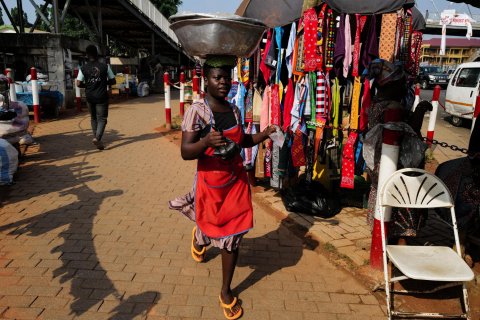
» As G20 leaders met in Johannesburg last month, they faced a grim reality: many developing-country governments are spending more than they can afford on debt service. To keep funds flowing to foreign creditors, policymakers have been forced to cut spending on education, health care, and infrastructure. These countries have so far avoided default, but at the expense of their own development.
Sun-powered schools are a smart move
Oped, Rapeepat Ingkasit, Published on 19/02/2025
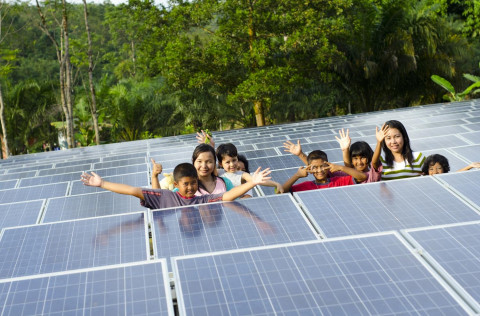
» Thailand's rising electricity costs are not just a concern for businesses; they are placing a financial burden on schools. In 2023, a local business daily, Bangkok Biz, reported that many schools were struggling with high electricity liabilities.
The promise and peril of green bonds
News, Sarinee Achavanuntakul, Published on 16/10/2024
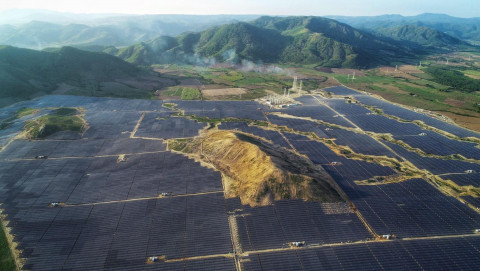
» Once occupying a tiny fraction of global financial markets, "green bonds" have grown exponentially in the past decade to become one of the world's fastest-growing asset classes.
New IMF debt deal needs a rejig
Oped, C P Chandrasekhar & Martín Guzmán & Jayati Ghosh & Charles Abugre, Published on 03/10/2024
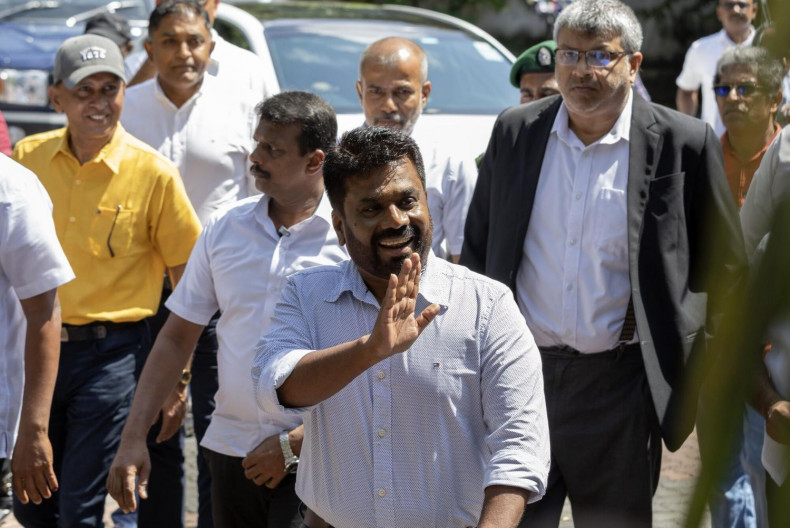
» Ranil Wickremesinghe, Sri Lanka's president, recently lost his re-election bid after voters overwhelmingly rejected the debt-restructuring deals he negotiated with the International Monetary Fund (IMF) and other creditors. Instead, Sri Lankans elected Anura Kumara Dissanayake, leader of the left-wing National People's Power (NPP) alliance and a vocal critic of IMF-imposed austerity measures, who has vowed to renegotiate the country's agreement with the fund.
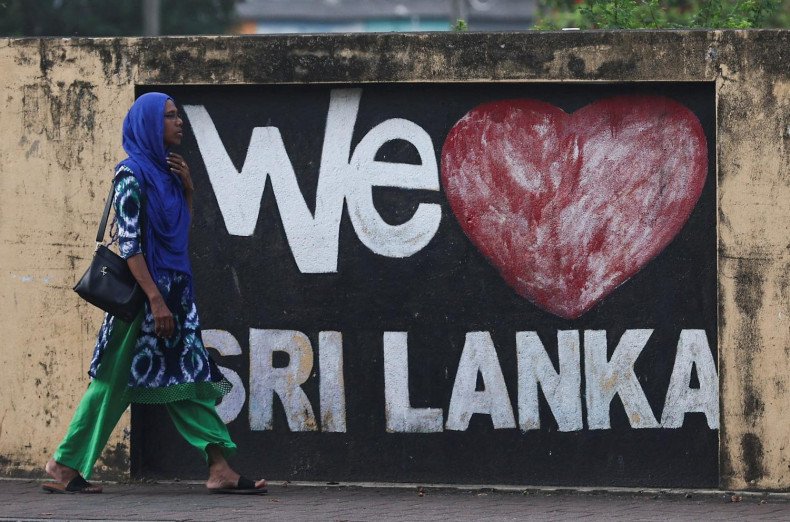
Candidates vying to lead economy out of crisis
News, Anusha Ondaatjie, Published on 21/09/2024
» Sri Lanka's upcoming presidential election has become a referendum on a US$3 billion (99.1 billion baht) International Monetary Fund loan programme that has helped to pull the island nation out of its worst economic crisis since independence. The contest pits the incumbent president, who negotiated the bailout, against the country's main opposition leader -- both members of the Sri Lankan political elite -- and a Marxist politician waging a populist campaign. The three have put contrasting views before voters over how to steer the South Asian nation past the crisis.

When climate commitments fall short
News, Rapeepat Ingkasit, Published on 24/07/2024
» By early next year, Thailand and other countries are expected to update national climate commitments under the Paris Agreement, known as nationally determined contributions (NDCs). The Paris Agreement mandates that nations submit new NDCs every five years, with each round more ambitious than the last. These NDCs are essential for countries to collectively tackle the global climate crisis.

Soft or hard landing for Thai economy?
News, Chartchai Parasuk, Published on 08/02/2024
» Personally, I am sure the Thai economy will crash this year. I can even estimate the time when the crash will start. It is likely to be the month of May as several big economic bombs will explode that month. Confirmation of this belief came in December 2023's economic data. The most disturbing part is industry's capacity utilisation rate of 56.2% (seasonally adjusted), which is the second lowest in the world. The world's lowest is Nigeria!

Credit ratings and climate chaos
Oped, Emily Wilkinson & Kanni Wignaraja, Published on 13/12/2023
» The sun-drenched coral islands and reefs of the Maldives are in existential danger. With 80% of the country's population living just one metre above sea level, many islands could become uninhabitable as climate change causes the ocean's level to rise. By the end of this century, half a million people could be displaced. The Maldives is confronting this threat with a range of innovative adaptation initiatives, from restoring coral reefs to floating solar-power systems. But survival does not come cheap.

Financing childhood growth
News, Joel E Cohen & John E Rogers, Published on 18/07/2023
» In 2020, chronic undernutrition stunted the growth of nearly a quarter of the world's children under five years old. Being too short for one's age, as a result of chronic undernutrition, can cause irreversible physical and cognitive damage and increases the risk of dying from common infections.

The fall of SVB: Another predictable bank failure
Oped, Joseph E Stiglitz, Published on 17/03/2023
» The run on Silicon Valley Bank (SVB) -- on which nearly half of all venture-backed tech start-ups in the United States depend -- is in part a rerun of a familiar story, but it's more than that. Once again, economic policy and financial regulation have proven inadequate.