



Showing 1 - 10 of 165
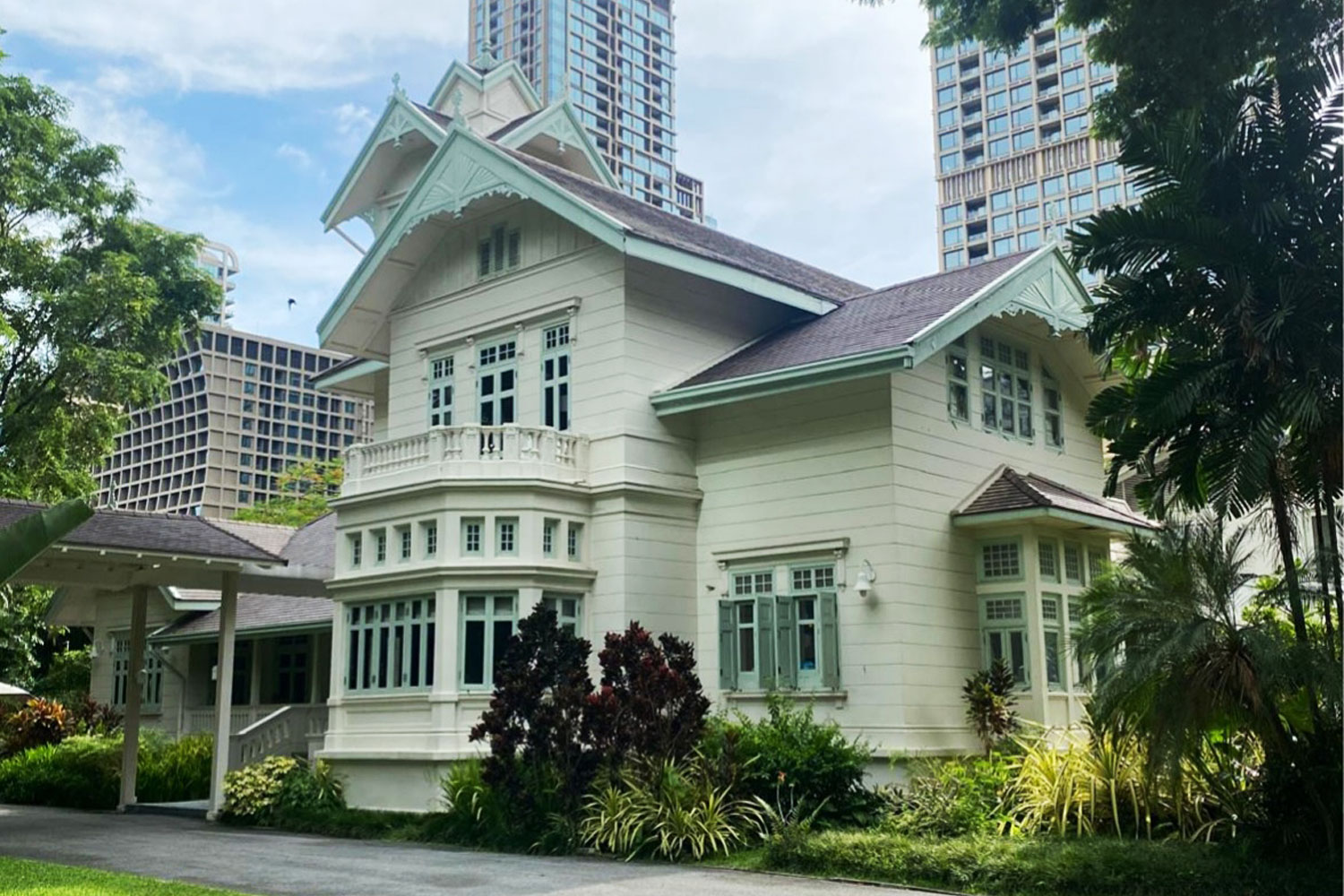
City's green spaces losing ground
Oped, Thunpicha Greigarn, Published on 30/03/2026
» Like the body, most of Bangkok's battles happen beneath the surface. By the time you notice, the damage is already done.

Echoes ignored
Oped, Postbag, Published on 13/03/2026
» Re: "With Iran war, US is alone", (World, March 6). The Deputy Director of the German Marshall Fund, Kristina Kausch, is upset that US President Donald Trump has not sought the world's approval in his quest to destroy Iran's military abilities and for the removal of its genocidal dictatorship. One which screams daily: "Death to Israel" and "Death to America". (Time Off, Bangkok Post, March 8).

Thailand's justice gap
Oped, Editorial, Published on 25/02/2026
» This week, Thailand marks the third anniversary of the Prevention and Suppression of Torture and Enforced Disappearance Act 2022 -- albeit half-heartedly.
Exit the Snake, enter the Horse
News, Curtis S Chin and Jose B Collazo, Published on 30/12/2025
» As we bid farewell to 2025, and welcome 2026 -- and soon, the lunar Year of the Horse -- we once again highlight the winners and losers of the year gone by in Asia.

Impunity in military courts must end
Editorial, Published on 21/12/2025
» The Anutin government's sudden dissolution of Parliament has frozen a long list of bills that would have nudged Thailand toward a more open and accountable society.
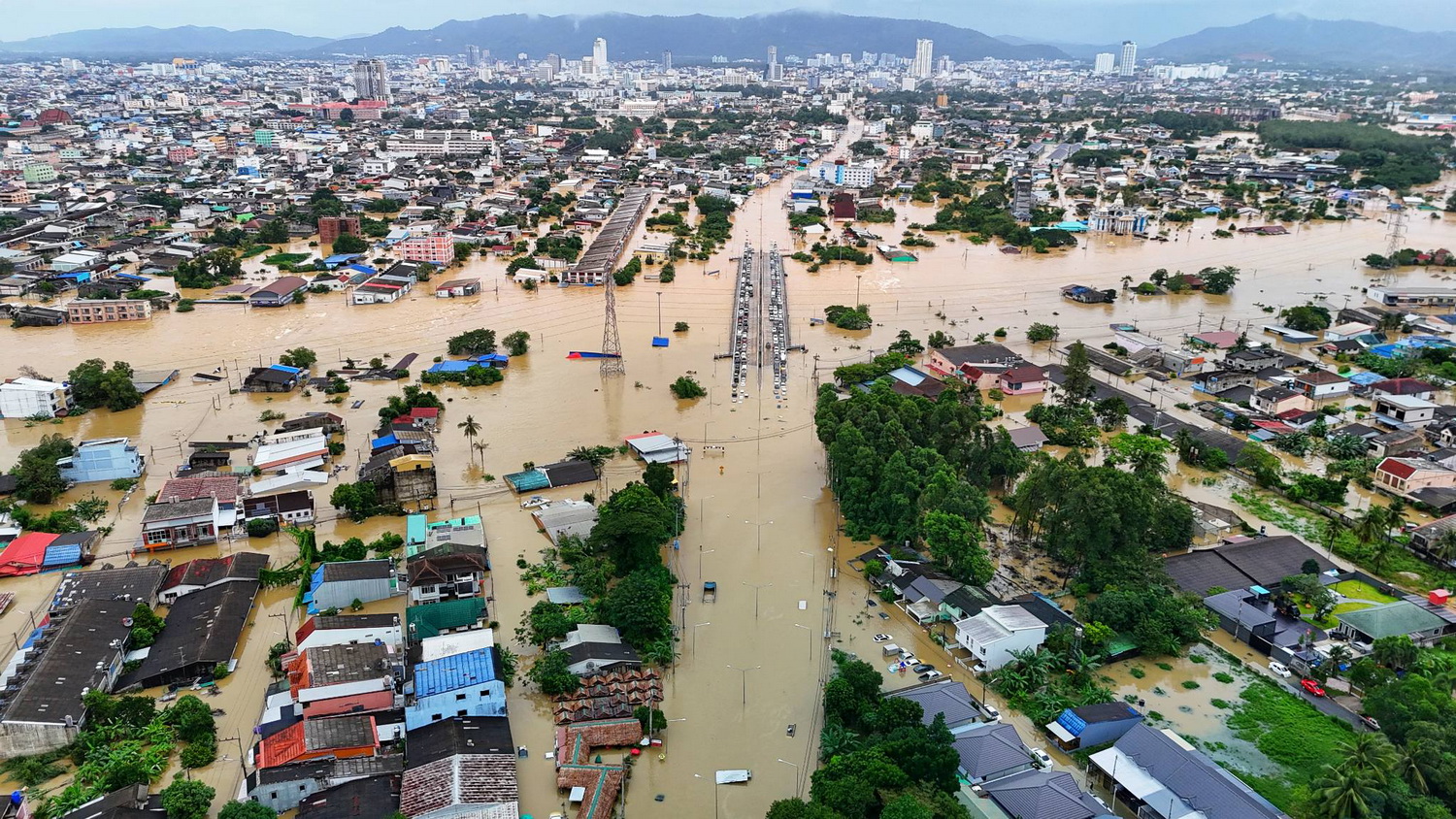
Still not learning
Oped, Editorial, Published on 09/12/2025
» The Anutin government recently launched a national committee to investigate mistakes made during Hat Yai flood management. The goal of the committee, chaired by Deputy Prime Minister Borwornsak Uwanno and flood experts, is to "draw lessons" from the Hat Yai flood disaster, with the hope that such lessons will improve future disaster preparedness.
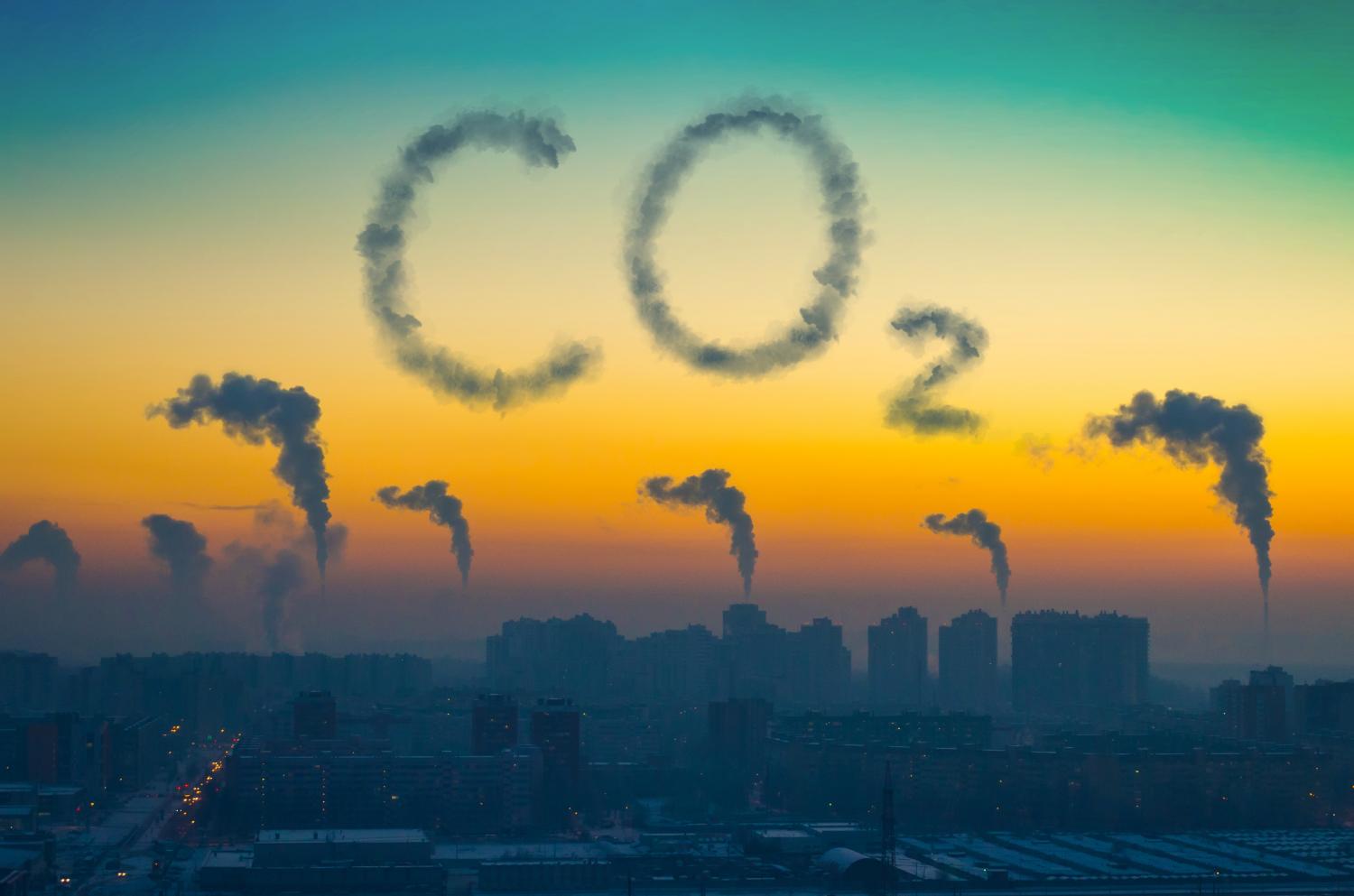
Let us link our carbon markets
Oped, Xue Song, Published on 08/12/2025
» With CBAM set to cost the region billions from 2026, an Asia-led carbon corridor could turn that threat into a lasting climate and strategic advantage.

Learn from Singapore
Oped, Postbag, Published on 07/11/2025
» Re: "Push grows to keep B20 rail ride alive: TCC responds to PM's fare warning", (BP, Oct 11).


Electricity will decide who wins the great AI race
News, Jeffrey Wu, Published on 20/10/2025
» The next stage of the global AI race will be decided not by algorithms or chips, but by electricity -- and that puts China at a distinct advantage. While Western tech giants are emphasising closed, capital-intensive models that demand enormous computing power, China is embracing open source AI and massively expanding its renewable- and nuclear-energy capacity, thereby positioning itself to deploy powerful AI technologies at scale without breaking the bank.