




Showing 1 - 6 of 6
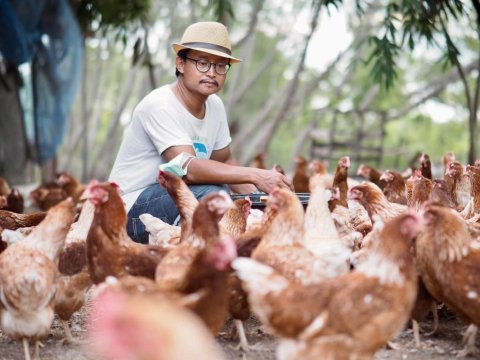
Redefining the future of food
Business, Boonsong Lipimas, Published on 16/02/2026
» At a time when climate change, food waste and rural inequality are converging into a single, complex crisis, Thailand's agricultural debate can no longer be confined to yields, prices or exports alone. The more urgent question is whether the way we produce food today can still sustain the land, the farmers and consumers tomorrow.
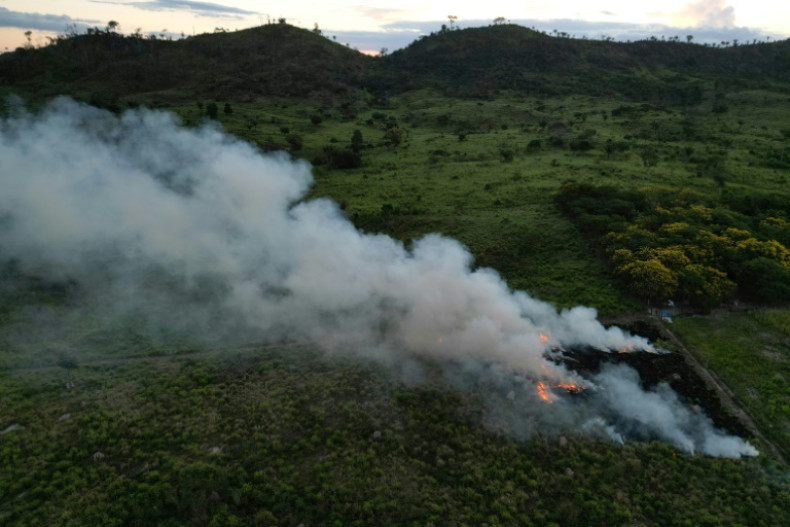
World leaders launch fund to save forests, get first B162bn
AFP, Published on 07/11/2025
» BELEM, Brazil - World leaders attending a climate summit in Brazil launched a fund on Thursday to save the world's forests, quickly raking in over $5 billion (162 billion baht) in pledges to reward tropical countries for not chopping down trees.
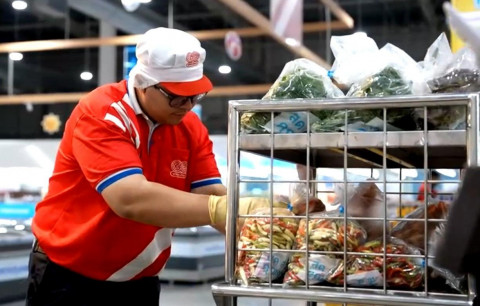
SOS tackles food waste crisis
Business, Kuakul Mornkum, Published on 18/08/2025
» Amid Thailand's growing food waste crisis, one initiative is making a difference by redirecting surplus food to vulnerable communities under strict food safety standards.
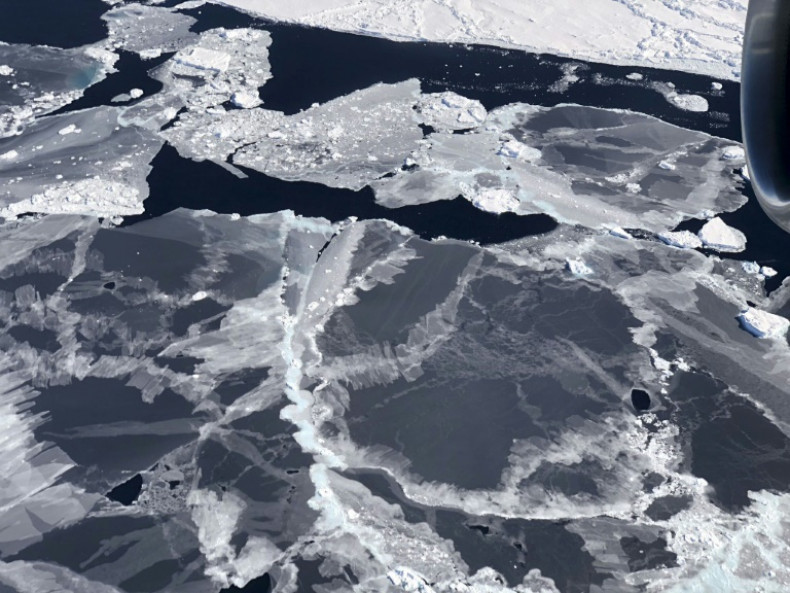
Antarctic penguin population decline accelerates
AFP, Published on 10/06/2025
» PARIS - Emperor penguin populations in Antarctica have shrunk by almost a quarter as global warming transforms their icy habitat, according to new research on Tuesday that warned the losses were far worse than previously imagined.
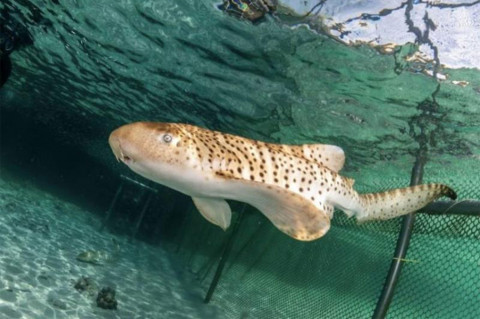
Leopard shark ‘rewilding’ launched in Phuket
Achadthaya Chuenniran, Published on 17/05/2025
» PHUKET - Thailand has launched a leopard shark rewilding initiative in collaboration with the international environmental organisation WildAid and the ocean conservation group Ocean Blue Tree.
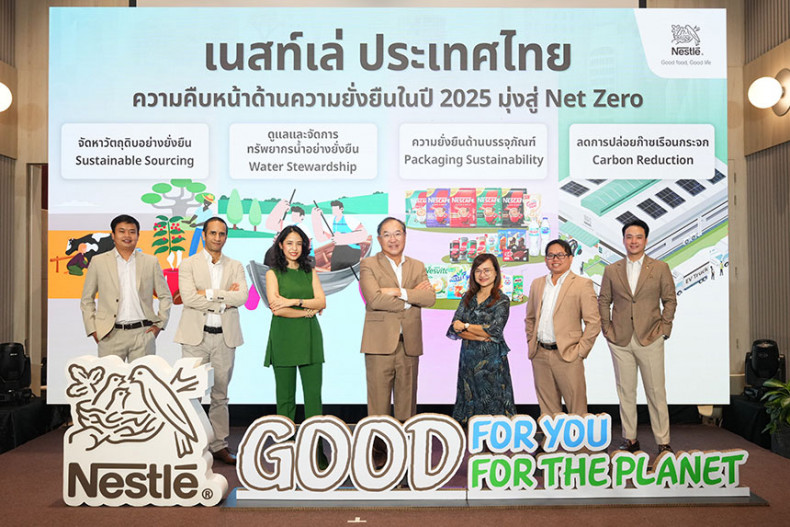
Nestlé Thailand Accelerates Sustainability Efforts with Net Zero Goals
Published on 19/03/2025
» The company reaffirms its commitment to environmental responsibility, driving impactful initiatives in line with its goal to achieve Net Zero by 2050.