




Showing 1 - 10 of 2,384

State rail scrutiny
Postbag, Published on 25/04/2026
» Re: "Ayutthaya station redesign to cut heritage impacts", (BP, April 21).
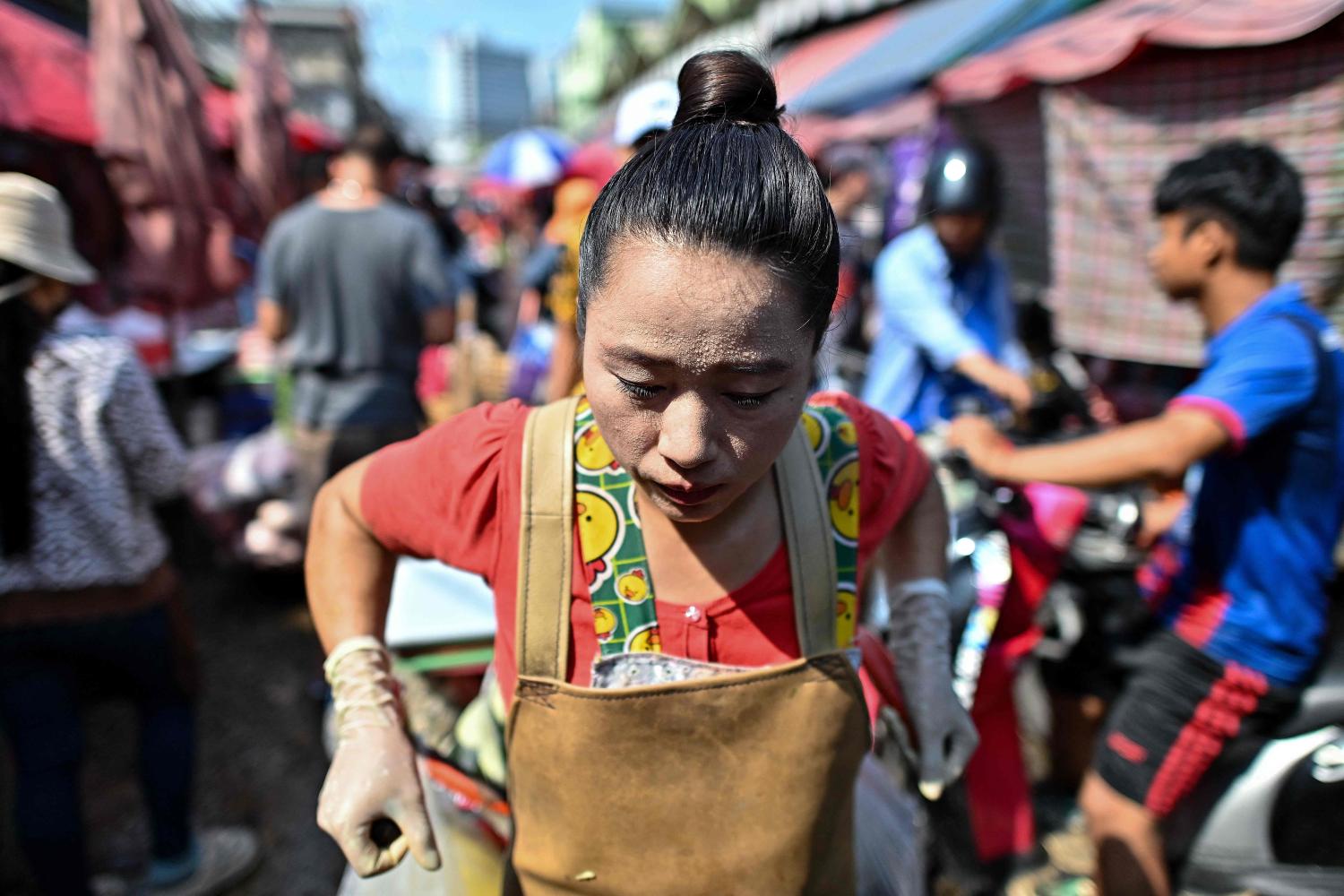
Urban heat is a man-made hazard
News, Chayakorn Kumchoke, Published on 25/04/2026
» We often joke that our country has three seasons: hot, very hot, and extremely hot. Last summer, however, the country recorded its highest heat index or "feels-like temperature" of 59.5C or 41C in actual temperature, a level classified as extreme danger beyond the limits of human endurance. This joke hides a darker reality. Year-round heat has bred a sense of familiarity, with many people treating high temperatures as simply part of tropical life.

The global AI threat has arrived
Oped, S Alex Yang and Angela Huyue Zhang, Published on 24/04/2026
» Anthropic's new artificial intelligence (AI) model, Claude Mythos Preview, has alarmed business leaders and policymakers around the world because of its extraordinary ability to find and exploit vulnerabilities in major operating systems and web browsers. Even the Trump administration, which has feuded with Anthropic in recent months over certain military uses of its models, now seems keen to work with the company to protect critical government infrastructure from cyberattacks.
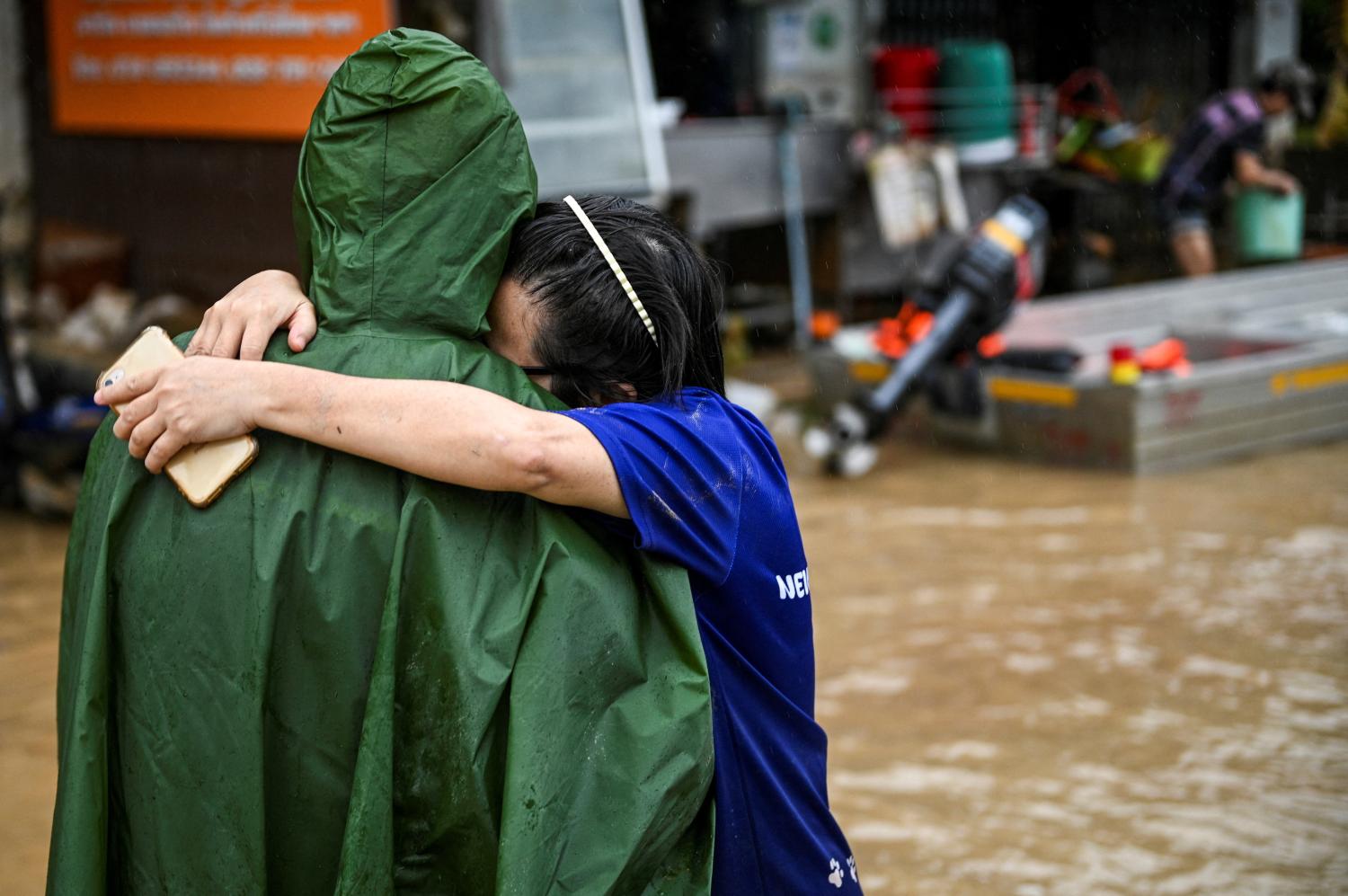
Building readiness for climate loss
Oped, Chayapat Patarapanchai, Published on 22/04/2026
» The floods that submerged Hat Yai were not just another natural disaster. They were a warning sign that climate change is now hitting harder and faster than Thailand can keep up with.
Is the Iran war America's Suez or its Gallipoli?
Oped, Yanis Varoufakis, Published on 21/04/2026
» When Egypt closed the Suez Canal for five months in 1956, it triggered events that shrunk the global standing of Britain's pound sterling, inaugurated the petrodollar age, and demonstrated how a small country can inflict serious damage upon the economic power that had subjugated it decades earlier.
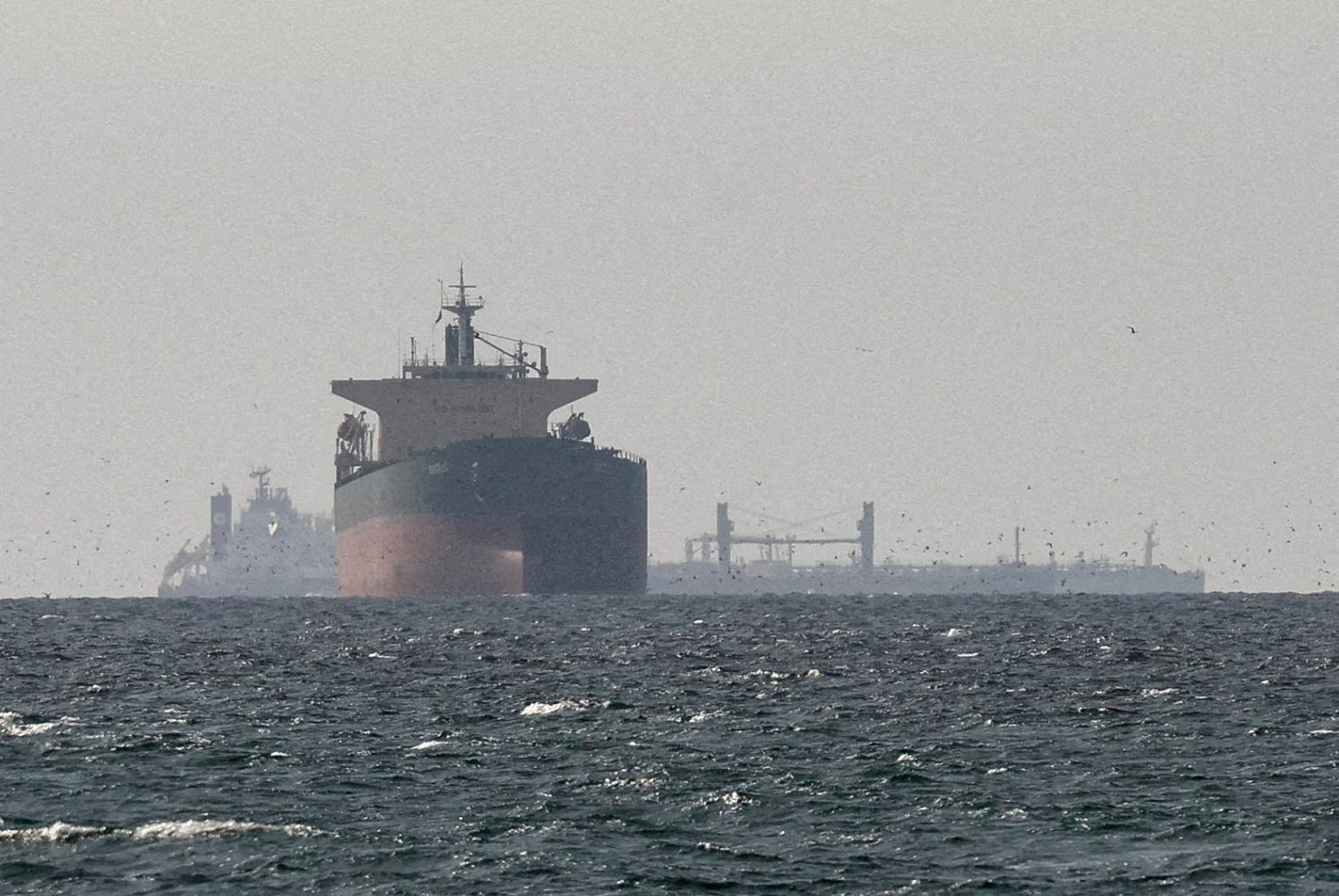
Opening Hormuz is the easy part, restoring oil flow is not
Reuter's columnist Ron Bousso, Published on 20/04/2026
» LONDON - The stop-start shipping traffic through the Strait of Hormuz underscores the profound uncertainty hanging over the world’s most critical oil and gas chokepoint. But one thing is already clear: even if the guns fall silent, flows through the narrow waterway will take months – and possibly years – to recover to pre-war levels.

Putting today's news on the map
Roger Crutchley, Published on 19/04/2026
» One of the few positive outcomes of the present Iran conflict is the impact it has had on geographical knowledge of the area amongst people around the globe. Every day millions switch on the television or their phones and the first thing they are likely to be greeted with is a map of the Middle East.
Climate fixation fails world's poor
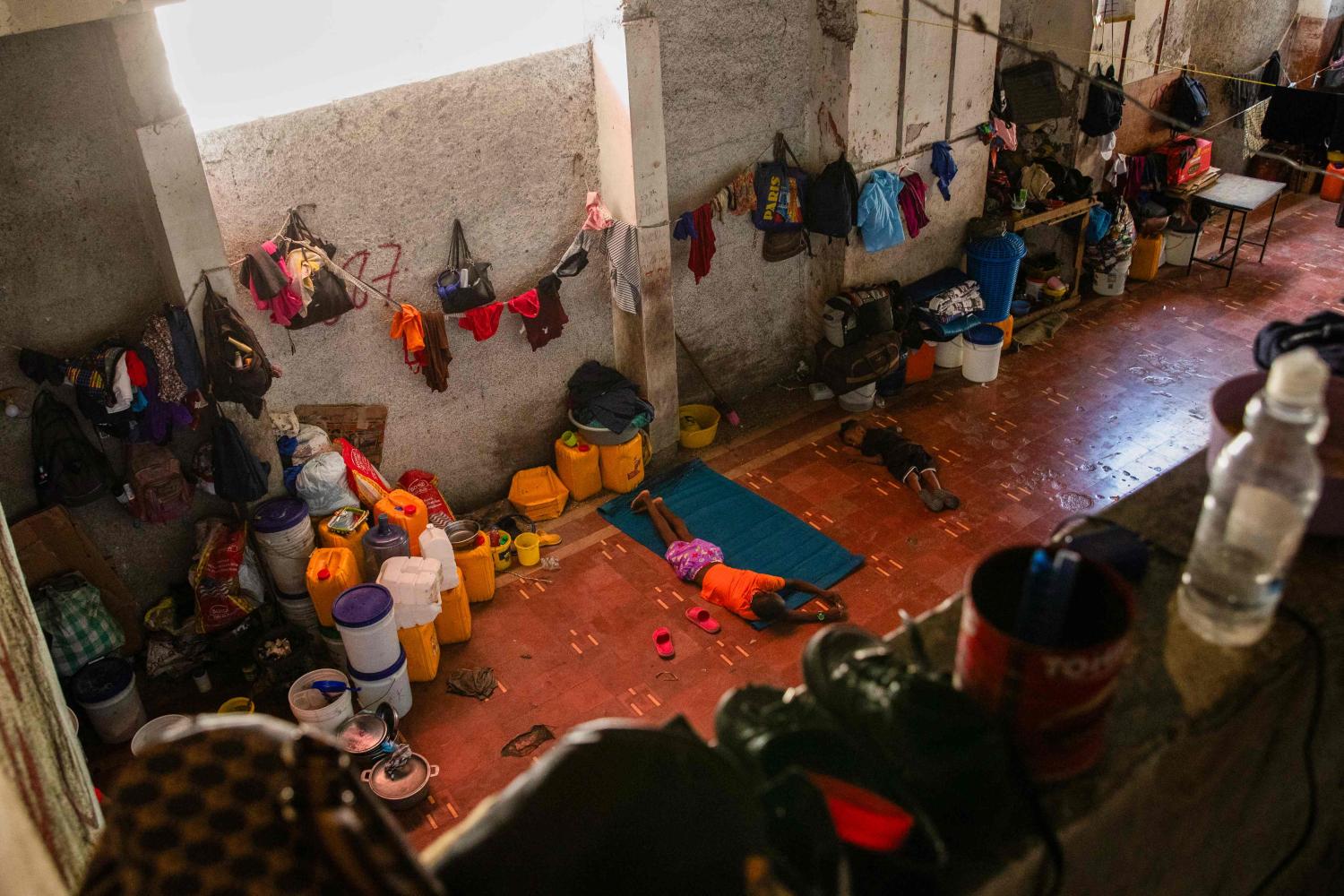
Oped, Bjorn Lomborg, Published on 17/04/2026
» This week in Washington, more than 10,000 delegates, finance ministers, and central bankers are gathering for the World Bank and IMF Spring Meetings. Their stated goal: accelerate global development, drive economic growth, and lift billions out of poverty.

When will the IMF ever learn?
Oped, Timothy Kaldas, Published on 16/04/2026
» This year's International Monetary Fund Spring Meetings come at a time of heightened economic uncertainty and intense scrutiny of the institution's capabilities and approach. Critics on the left argue that the IMF imposes regressive austerity measures on borrowers, exacerbating poverty, hampering economic growth, and undermining their ability to achieve debt sustainability. On the right, US President Donald Trump's administration has accused the IMF of "mission creep," claiming that it has strayed from its core mandate of maintaining macroeconomic stability.
Oil shock risks wider chain reaction
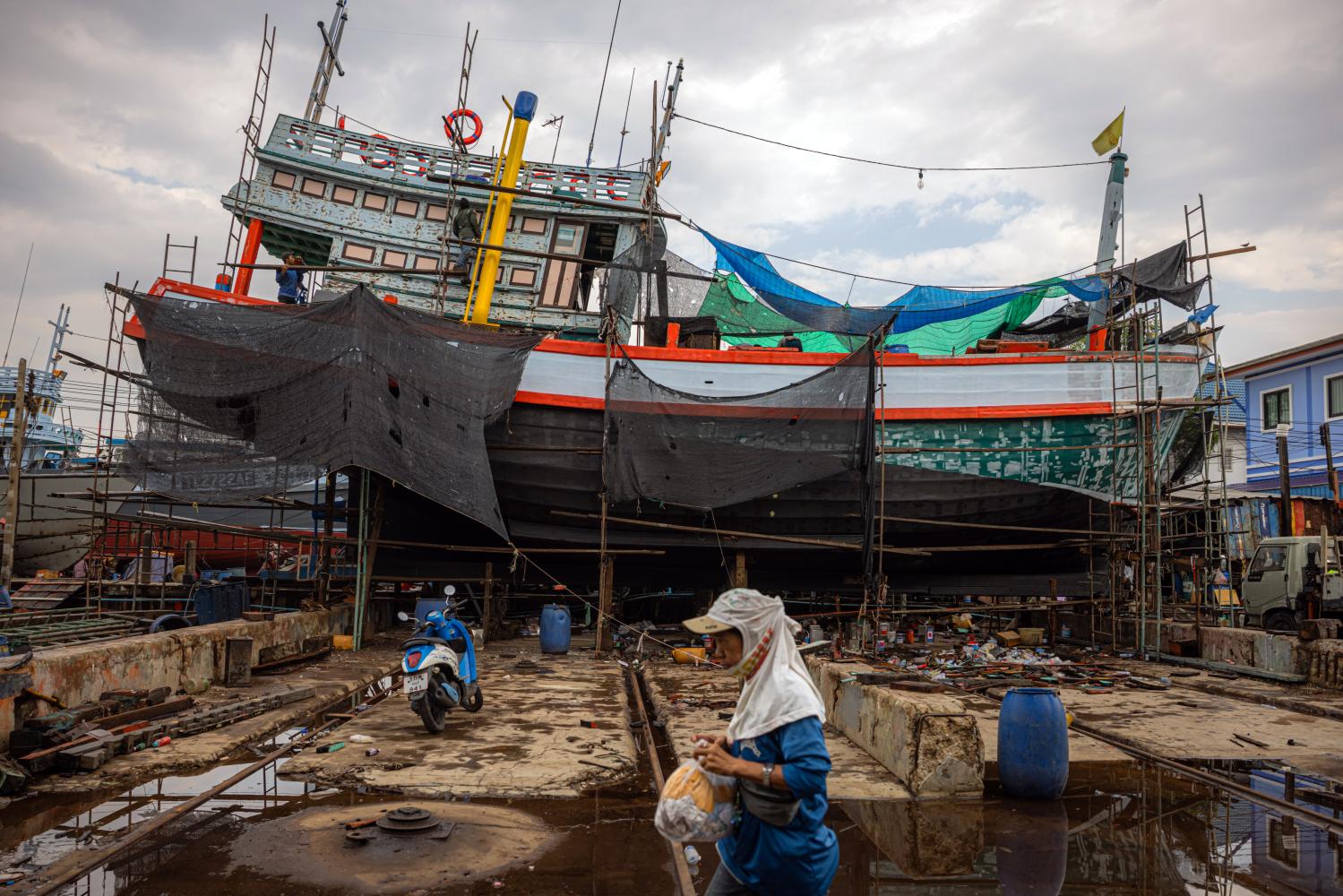
Oped, Chartchai Parasuk, Published on 16/04/2026
» There is no such thing as a free lunch. When global oil prices rise sharply, as they are doing now, someone must bear the cost. Some countries choose to absorb it through government support, as in Japan, while others pass the burden on to consumers, as in Thailand. Neither approach is inherently right or wrong; each carries different economic consequences. Policymakers must decide which set of outcomes is more acceptable and act accordingly.