



Showing 1 - 10 of 20
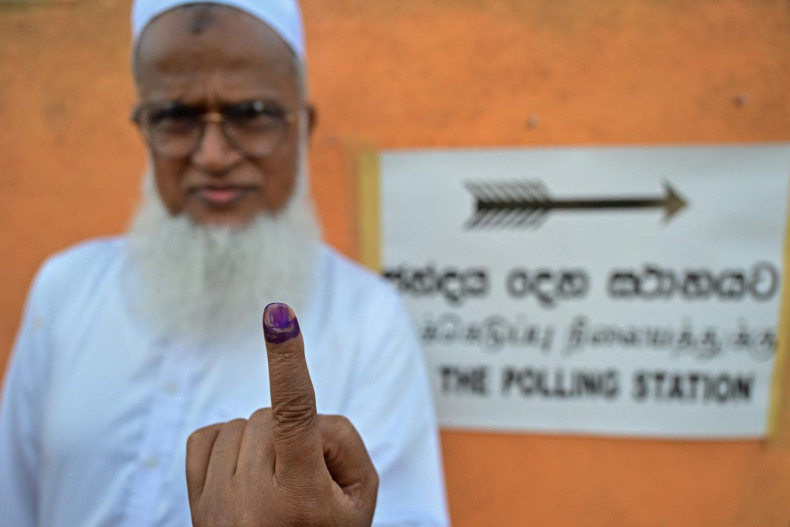
Leader seeks power boost from parliament poll
News, Anusha Ondaatjie & Dan Strumpf, Published on 16/11/2024
» Sri Lanka began counting votes in a parliamentary election that will decide whether the nation's outsider leftist president will be able to fulfill his ambitious pledges to combat corruption and rewrite an unpopular International Monetary Fund loan programme.
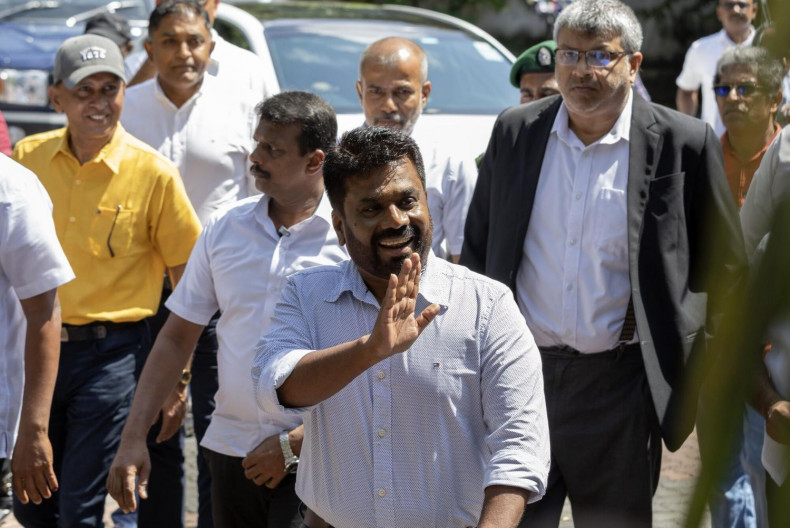
New IMF debt deal needs a rejig
Oped, C P Chandrasekhar & Martín Guzmán & Jayati Ghosh & Charles Abugre, Published on 03/10/2024
» Ranil Wickremesinghe, Sri Lanka's president, recently lost his re-election bid after voters overwhelmingly rejected the debt-restructuring deals he negotiated with the International Monetary Fund (IMF) and other creditors. Instead, Sri Lankans elected Anura Kumara Dissanayake, leader of the left-wing National People's Power (NPP) alliance and a vocal critic of IMF-imposed austerity measures, who has vowed to renegotiate the country's agreement with the fund.
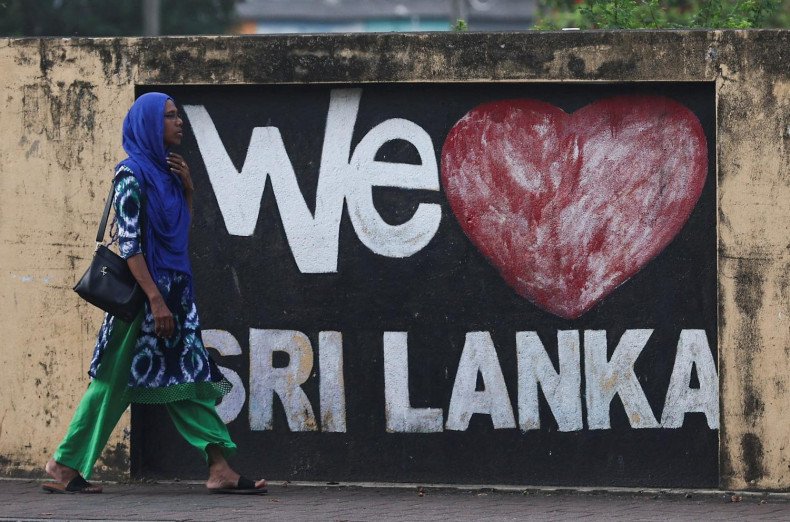
Candidates vying to lead economy out of crisis
News, Anusha Ondaatjie, Published on 21/09/2024
» Sri Lanka's upcoming presidential election has become a referendum on a US$3 billion (99.1 billion baht) International Monetary Fund loan programme that has helped to pull the island nation out of its worst economic crisis since independence. The contest pits the incumbent president, who negotiated the bailout, against the country's main opposition leader -- both members of the Sri Lankan political elite -- and a Marxist politician waging a populist campaign. The three have put contrasting views before voters over how to steer the South Asian nation past the crisis.
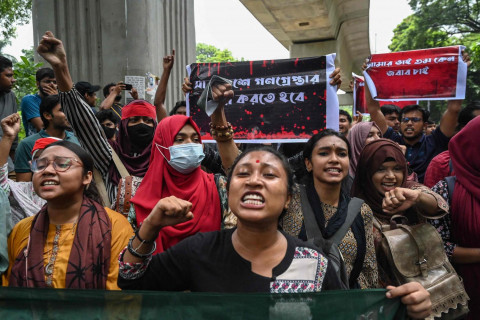
A new political 'youthquake' takes hold
Oped, Binaifer Nowrojee, Published on 31/08/2024
» Six months ago, Prime Minister Sheikh Hasina's grip on power in Bangladesh appeared unbreakable. The ruling Awami League had just won a fourth term in an uncontested election, allowing it to stay in full control of the country's institutions. With journalists, human rights defenders, opposition members, and other critics facing politically motivated prosecution, prison, exile, and forced disappearance, a continued descent into authoritarianism seemed certain.
The deepening political turmoil in South Asia
Oped, Brahma Chellaney, Published on 15/08/2024
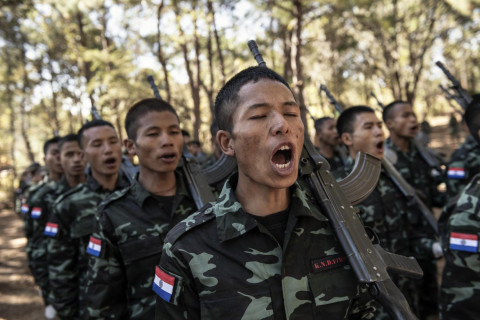
» Violent student-led, Islamist-backed protests in Bangladesh have toppled Prime Minister Sheikh Hasina's government, and mob attacks targeting those viewed as supporters of her secular Awami League party -- in particular, the country's dwindling Hindu minority -- are proliferating. At a time when neighbouring Myanmar is engulfed in violence and the Pakistan-Afghanistan belt remains fertile ground for cross-border terrorism, political upheaval in Bangladesh, two years after the overthrow of Sri Lanka's government, is the last thing India, the regional power, needs.
Sri Lanka's dangerous debt crisis
Oped, Jayati Ghosh & Kanchana N Ruwanpura, Published on 20/09/2023
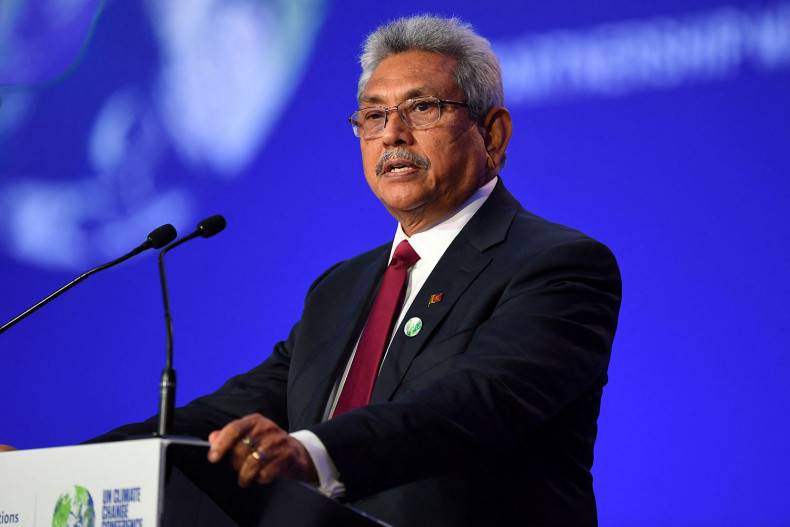
» More than a year after the mass protest movement known as the Aragalaya ousted Sri Lanka's President Gotabaya Rajapaksa and his brother, Prime Minister Mahinda Rajapaksa, Sri Lankans have once again taken to the streets.

Not their fault
Oped, Postbag, Published on 19/08/2022
» Re: "Uni staffer axed for swiping fees", (BP, Aug 17).

The roads are OK
Oped, Postbag, Published on 16/08/2022
» Re: ''Toll Call," (Postbag, Aug 14). Ye Olde Engineer writes: "I offer up a subject we can all agree on: bad roadway management and design in Thailand and Bangkok in particular".

'Beg, borrow, steal'
Oped, Postbag, Published on 26/07/2022
» Re: "Why Sri Lanka imploded so catastrophically", (Opinion, July 23).
Why Sri Lanka imploded so catastrophically
Oped, Kaushik Basu, Published on 23/07/2022
» As Sri Lanka's economy unravels before our eyes, one must ask how this could happen in a country historically known for its high standard of living and stable economy. Sri Lanka's achievements go back decades, giving it a per capita GDP that is 70% higher than India's, and a life expectancy at birth of 77 years, compared to 73, 70, and 67, in Bangladesh, India, and Pakistan, respectively.