



Showing 1 - 10 of 66
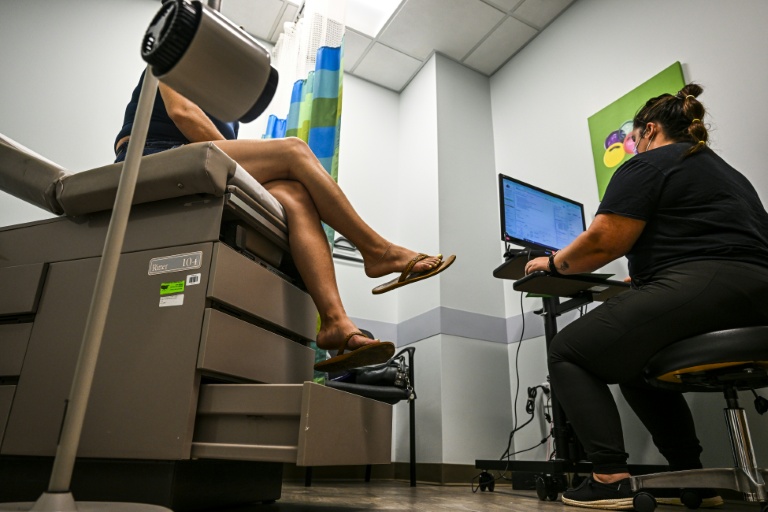
New study probes why chronic pain lasts longer in women
AFP, Published on 21/02/2026
» NEW YORK - To all the women who've heard the frustrating "it's all in your head" in response to medical maladies, a new study out Friday feels your pain.
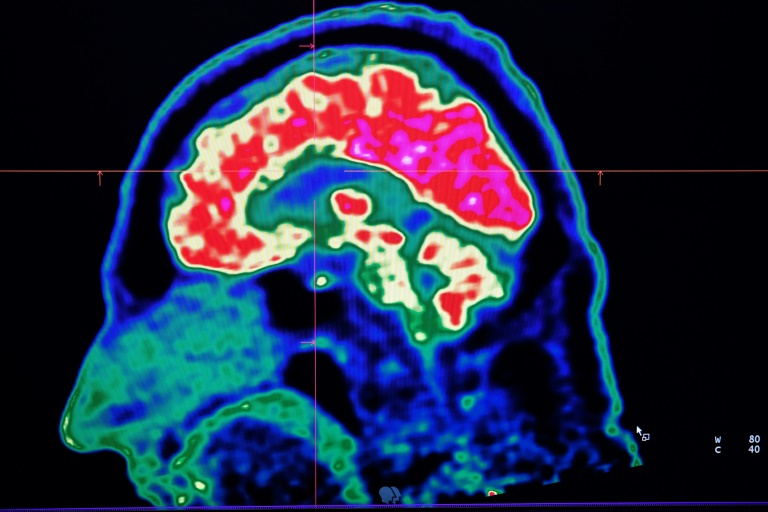
What are all these microplastics doing to our brains?
AFP, Published on 01/08/2025
» PARIS - Tiny shards of plastic called microplastics have been detected accumulating in human brains, but there is not yet enough evidence to say whether this is doing us harm, experts have said.
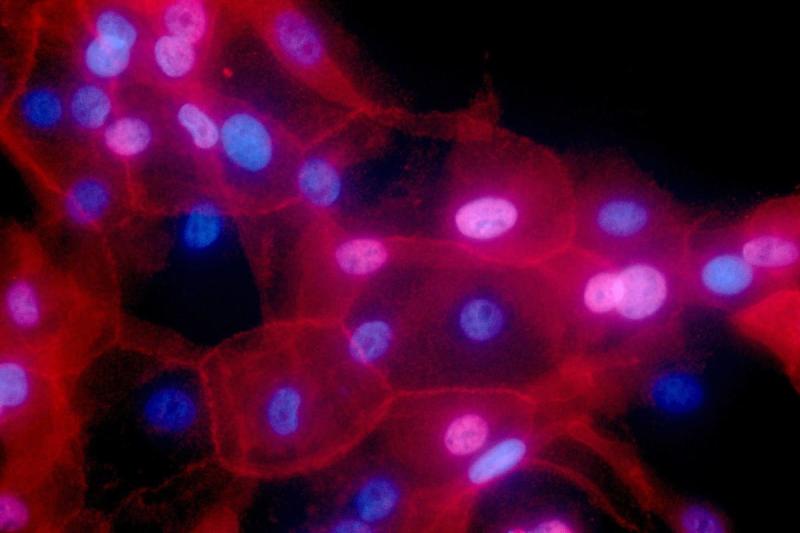
Chemotherapy can speed up cancer spread: study
South China Morning Post, Published on 19/07/2025
» HONG KONG — A team of Chinese scientists has found that the spread of cancer from original tumour sites to distant organs can be caused by chemotherapy triggering the awakening of dormant cancer cells.
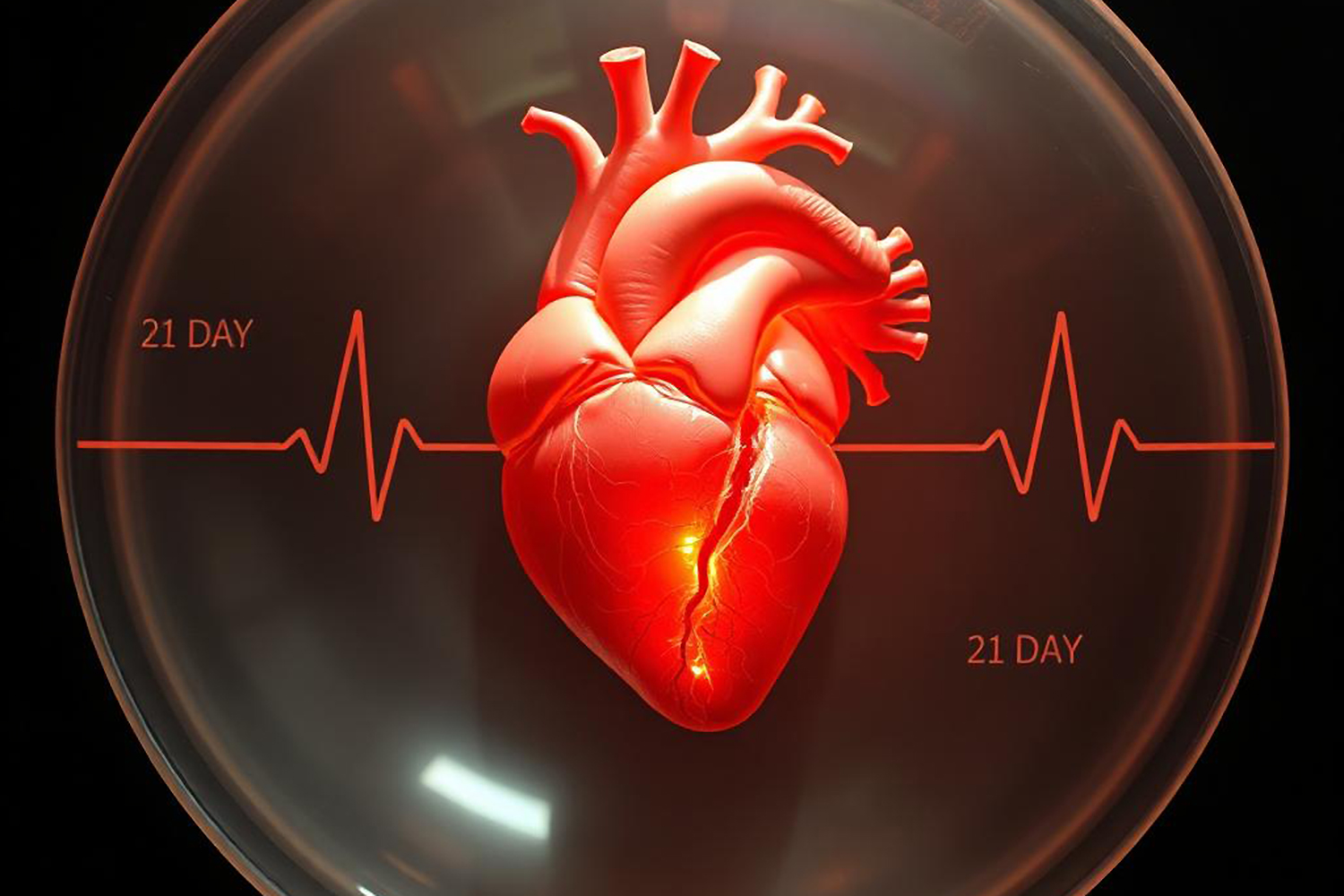
Human heart structure beats 21 days in pig embryo
South China Morning Post, Published on 04/07/2025
» BEIJING — Chinese scientists have, for the first time, cultivated a beating heart structure with human cells in a pig embryo, reporting that the heart continued to beat for 21 days unaided.

US firm brought back extinct dire wolves
AFP, Published on 11/04/2025
» WASHINGTON — They whimper, drink from baby bottles and crawl oh so tentatively -- they look like cute white puppies, not the fruit of a daring project to resuscitate an extinct species.

‘De-extinction’ startup says mammoth revival plan on track
Bloomberg News, Published on 05/03/2025
» Colossal Biosciences, a US-based startup trying to bring the prehistoric mammoth back from extinction, says it has achieved a first step: the Woolly Mouse.

Chinese scientists clone first rhesus monkey to live into adulthood
South China Morning Post, Published on 18/01/2024
» BEIJING - Researchers affiliated to China's premier science academy have successfully cloned the first rhesus monkey to survive into adulthood.

Cold, mud and mice: Ukraine enters second winter of war
AFP, Published on 21/11/2023
» NEAR BAKHMUT (UKRAINE) - In a heated shelter near the eastern front line, Ukrainian serviceman, Dmytro, looked on as a mouse sniffed the air and then scuttled behind plastic sheeting insulating the walls and ceiling.

Big bang: Dutch firm eyes space babies
AFP, Published on 14/11/2023
» EINDHOVEN, Netherlands - Climate crises, nuclear Armageddon, or a sudden meteor strike — it’s clear humanity could do with Planet B. But first we need to learn to reproduce safely in space, says Dutch entrepreneur Egbert Edelbroek.

Katalin Kariko, scientific maverick who paved way for mRNA vaccines
AFP, Published on 02/10/2023
» WASHINGTON - Hungarian-born scientist Katalin Kariko's obsession with researching a substance called mRNA to fight disease once cost her a faculty position at a prestigious US university, which dismissed the idea as a dead end.