



Showing 1 - 8 of 8

Mine faces big test
Oped, Editorial, Published on 23/03/2023
» The Akara gold mine reopened on Monday after a six-year hiatus. In 2017, the now-dissolved National Council for Peace and Order issued an executive decree suspending operations after government agencies accused the mine of causing negative environmental and health impacts on local communities.

Mine closure haunts govt
Oped, Editorial, Published on 29/01/2022
» Between 2014–2019, the National Council for Peace and Order (NCPO), led by Gen Prayut Chan-o-cha, invoked more than 400 orders using Section 44 of the military government's interim charter. Most of these orders, especially the ones on national security, were criticised for infringing upon human rights and freedom of expression, while its ordinances on economic policies, such the promotion of social economic zone and the Eastern Economic Corridor, were scrutinised for appeasing the rich private sector.

New licence, same saga
Oped, Editorial, Published on 16/09/2020
» A move by a subsidiary of Akara Resources -- a company whose parent firm, Kingsgate, engaged in a legal tussle that led to arbitration with the Thai government -- to seek a gold exploration licence on a vast land area has infuriated environmentalists and the public.

Time to settle mine dispute
News, Editorial, Published on 07/09/2020
» Now is a critical time for the government to fight tooth and nail in the Akara gold mine case saga that was brought to an international arbitrator. If defeated, the country will have to fork out 30 billion baht in compensation as demanded by the Sydney-based firm.
Is justice coming back to bite the Prayut regime?
Oped, Atiya Achakulwisut, Published on 01/09/2020
» The Prayut government is good at claiming the legal high ground.

Old woes will dog new era
News, Editorial, Published on 06/06/2019
» Wednesday's joint session of parliament to vote for the country's 30th prime minister raised the curtain on a new, post-coup political era. It will be another chapter in Thailand's political history where its democracy, half-baked as it may seem, will be tested.
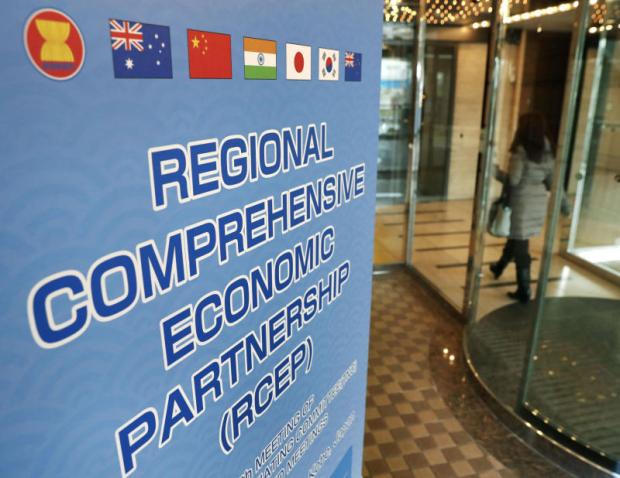
RCEP agreement puts future of Thai people at risk
News, Pranom Somwong, Published on 21/07/2018
» Since the 2014 coup, we have witnessed some serious degradation of people's rights, from political, economic and social, as well as setbacks to environmental protection and the livelihood of communities. Women human rights defenders have increasingly become at risk of violence, discrimination, and other violations. After four years under the military regime, at least 222 rural women HRDs have faced trial in court simply for defending their right to land, livelihood, and community while the state continues to give concessions that impact the communities and the environment.

Investor vs state interests debate heats up
News, Mutita Chuachang & Suluck Lamubol, Published on 16/07/2018
» Ahead of the 23rd round of negotiations for the Regional Comprehensive Economic Partnership (RCEP) which will kickstart tomorrow in Bangkok and end on July 27, there has been growing concern over its investment chapters that will let foreign investors' benefits overrride public interests. The concern centres on the RCEP's inclusion of the controversial Investor-State Dispute Settlement (ISDS) mechanism which has prompted criticism and scrutiny worldwide.