



Showing 1 - 10 of 786
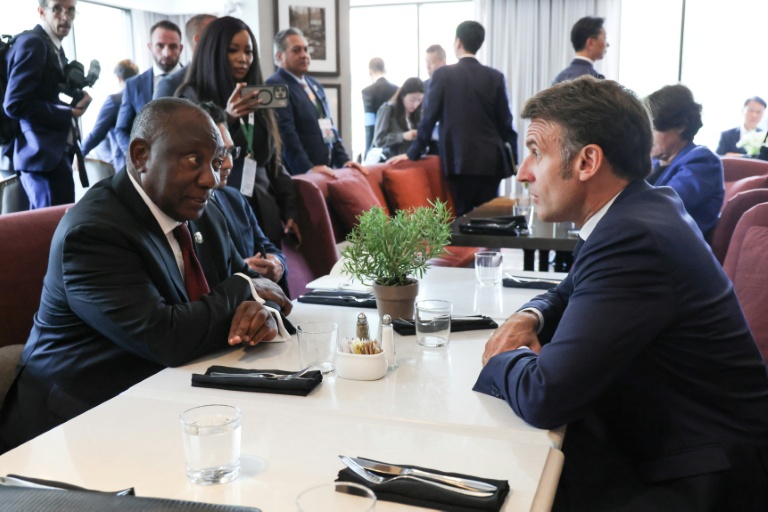
South Africa disinvited from G7 in France after US pressure: Pretoria
AFP, Published on 26/03/2026
» JOHANNESBURG - The United States put pressure on France to disinvite the South African president to the G7 summit in the French town of Evian in June, the South Africsan presidency told AFP Thursday.

How world's super-rich are rewriting the rules
Oped, Joseph E Stiglitz & Jayati Ghosh, Published on 13/02/2026
» Ongoing efforts to derail multilateral tax cooperation lie at the heart of a global programme to replace democratic governance with coercive rule by the extremely wealthy -- or what we call 21st-century Caesarism. Any strategy to counter this programme, therefore, must recognise that taxing extreme wealth is essential to saving democracy.
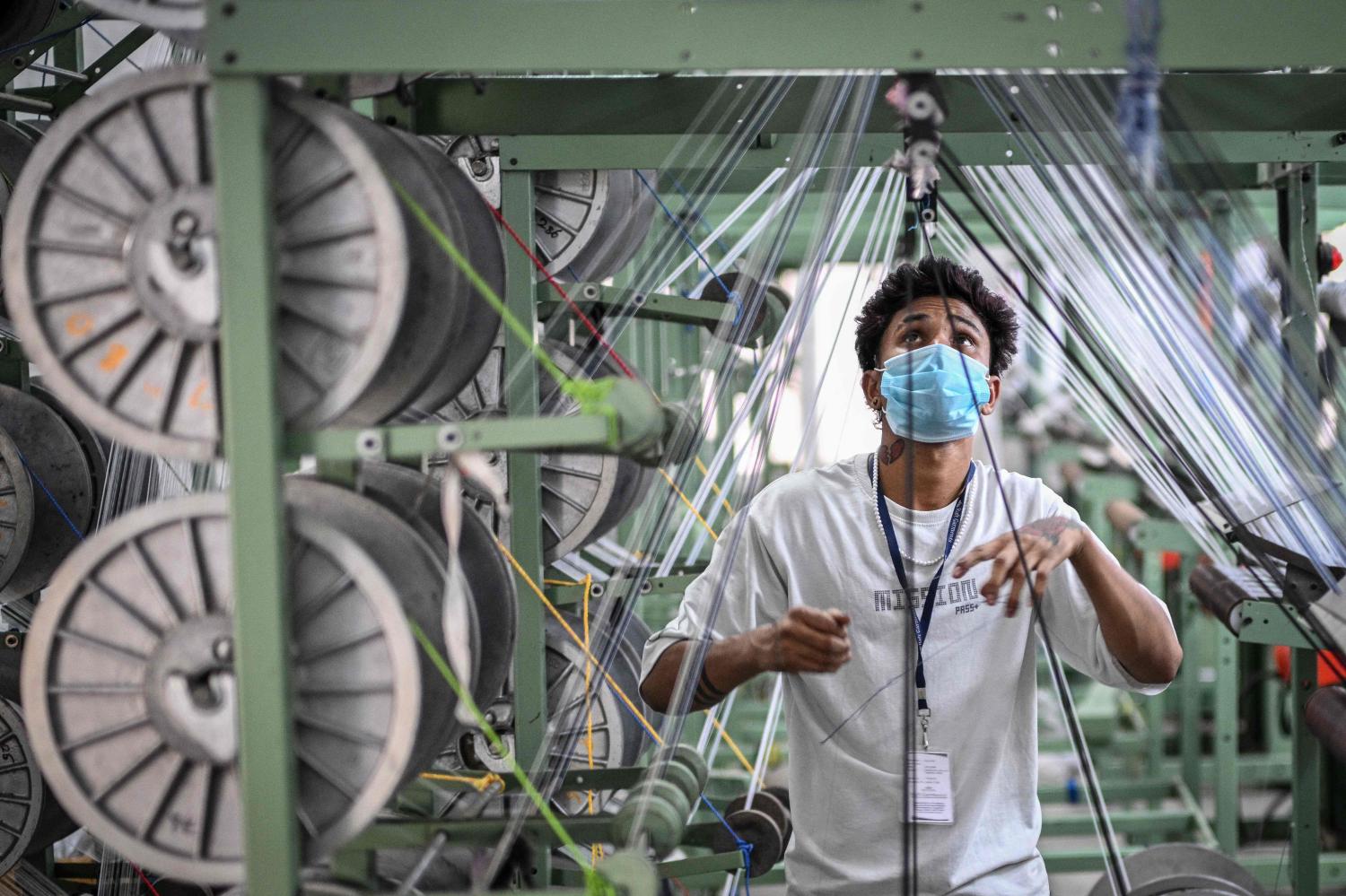
Emerging markets stand strong
Oped, Kristalina Georgieva and Mohammed Al-Jadaan, Published on 12/02/2026
» It used to be that when advanced economies sneezed, emerging markets caught a cold. That is no longer true. Following recent global shocks, such as the post-pandemic inflation surge and a new wave of tariffs, emerging markets have held up well. Inflation has continued to slow, currencies have generally retained their value, and debt issuance costs have remained at manageable levels. There has been no sign of the kind of financial turbulence that came with past economic shocks.
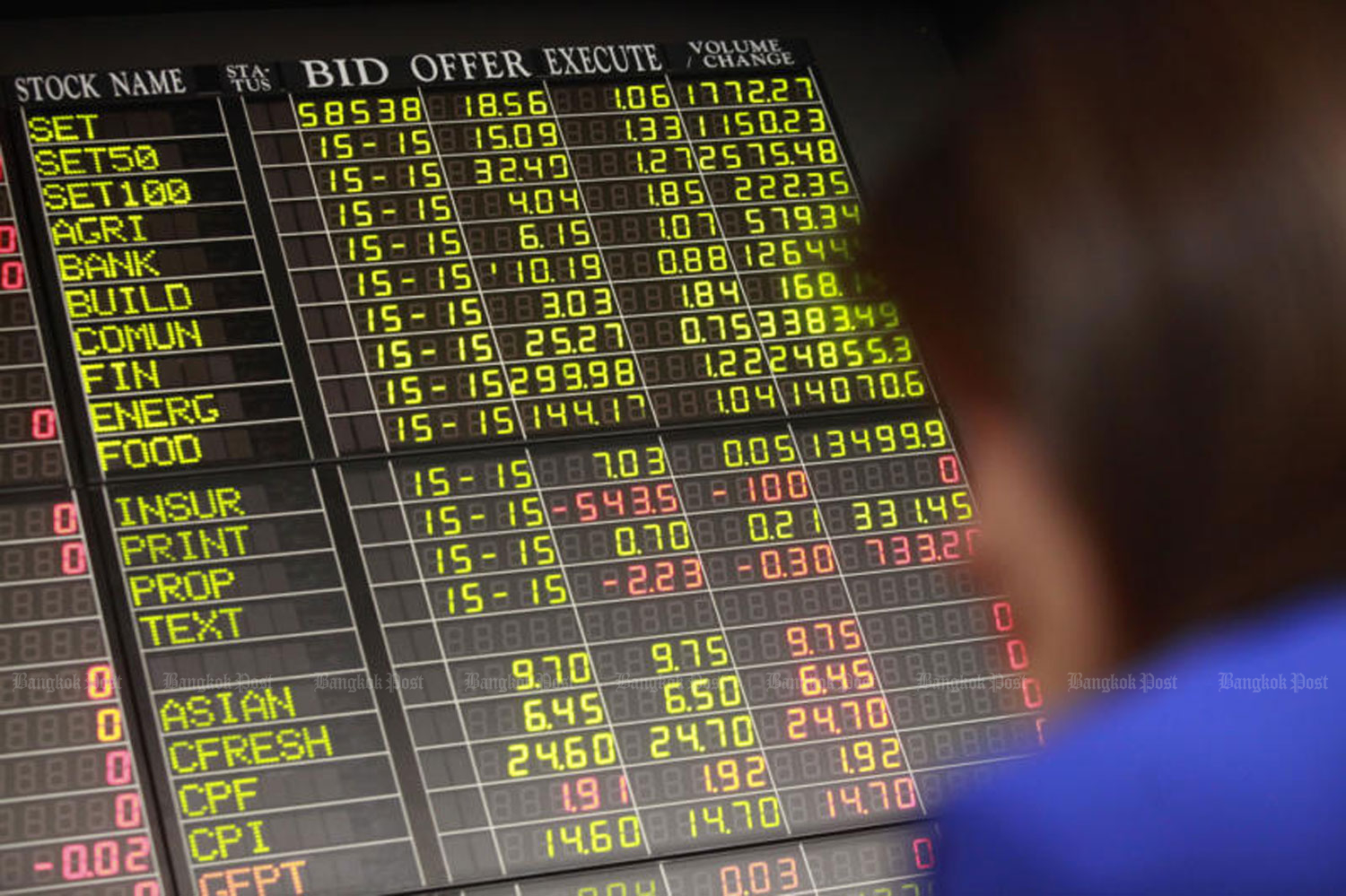
Asian shares steady after earlier tech-led sell-off
Business, Nuntawun Polkuamdee and Nareerat Wiriyapong, Published on 07/02/2026
» RECAP: Asian equities regained some stability on Friday after early losses, indicating that selling pressure may be easing following a tech rout that battered Wall Street for three days amid unease about an AI bubble.
2026 outlook calls for recalibration
News, Mohamed A El-Erian, Published on 17/01/2026
» For global markets, 2025 was defined as much by what did not happen as by what did. The year offered a masterclass in the power of a single narrative, with massive, concentrated bets on AI masking various other unanswered questions. Yet as we move further into 2026, the AI narrative is unlikely to prove strong enough to continue overshadowing other lingering uncertainties, many of which reflect deeper structural shifts. For investors, central banks, and governments alike, the situation demands adaptation.

When infrastructure meets AI
Oped, Bertrand Badré & Saurabh Mishra, Published on 16/01/2026
» Infrastructure investment is booming. Around the world, governments are pouring trillions of dollars into roads, power grids, data centres, water systems, and housing, with many responding to intensifying climate shocks and the growing need for adaptation. Yet the construction industry -- the single largest force physically reshaping the planet -- is among the last major sectors to unlock all the benefits that digital technology offers. As a result, it accounts for about 21% of greenhouse-gas emissions, produces half of global landfill waste, and overspends by US$1.6 trillion a year.
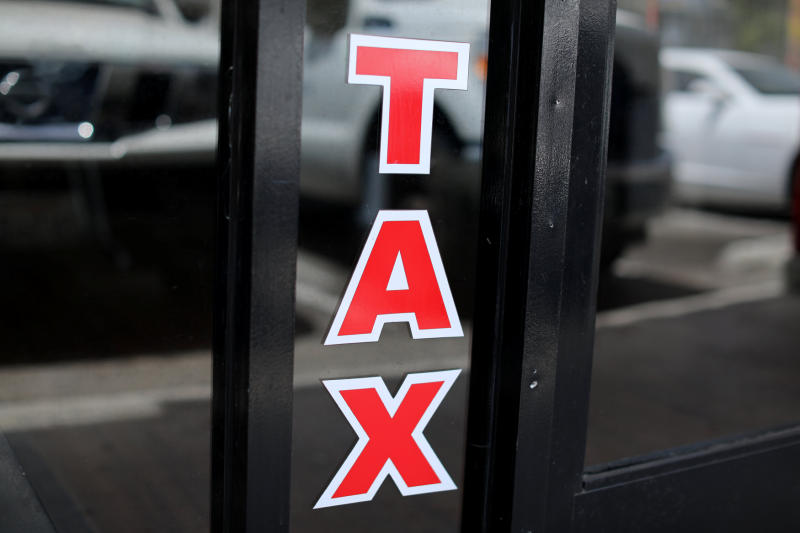
Over 145 nations set to exempt US firms from global minimum tax deal
Kyodo News, Published on 06/01/2026
» WASHINGTON — US multinational companies will be excluded from a global minimum corporate tax rate set in 2021 under a deal agreed by more than 145 countries and regions, the US Treasury Department reported on Monday.
Brazil's bold industrial turn is a gamble
Oped, Jayati Ghosh, Published on 25/12/2025
» For many in the developing world, Brazil is a rare beacon of hope in an otherwise bleak global landscape. Along with his South African counterpart, Cyril Ramaphosa, President Luiz Inácio Lula da Silva is among the few world leaders who have stood up to US President Donald Trump with dignity and a measure of success.

Trump looms large in 2026 local outlook
Business, Wichit Chantanusornsiri, Published on 23/12/2025
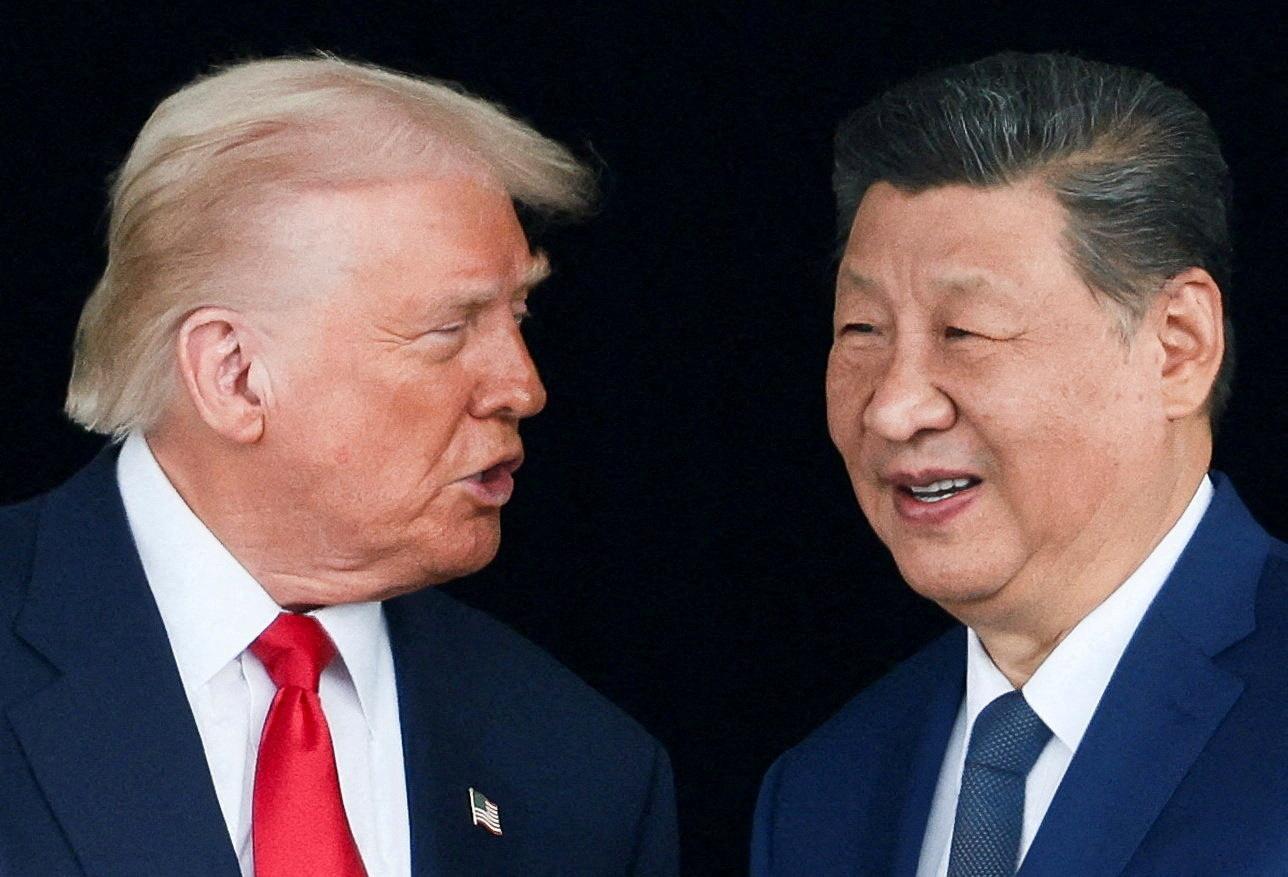
» The global economy in 2026 is likely to continue to be shaped by US President Donald Trump's policies, especially concerning trade, with Thailand already affected by his tariffs policy.

Early education transforms lives
Oped, Justin van Fleet & Pia Rebello Britto, Published on 09/12/2025
» The leaders' declaration adopted at the end of the recent G20 summit in South Africa reaffirmed the group's commitment to tackling some of the world's most pressing challenges, from inequality and long-running conflicts to AI and climate change. It also marked a historic milestone: for the first time, the G20 identified education as one of its top global priorities.