



Showing 1 - 10 of 2,869
Emerging markets stand strong
Oped, Kristalina Georgieva and Mohammed Al-Jadaan, Published on 12/02/2026
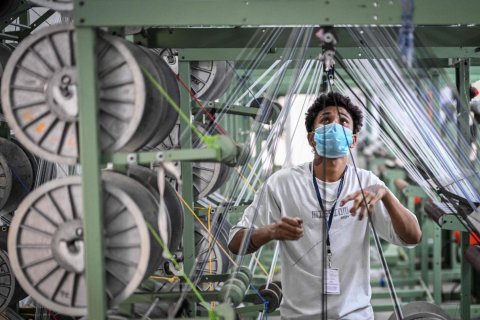
» It used to be that when advanced economies sneezed, emerging markets caught a cold. That is no longer true. Following recent global shocks, such as the post-pandemic inflation surge and a new wave of tariffs, emerging markets have held up well. Inflation has continued to slow, currencies have generally retained their value, and debt issuance costs have remained at manageable levels. There has been no sign of the kind of financial turbulence that came with past economic shocks.
Japanese PM Takaichi comes out on top
Oped, Taniguchi Tomohiko, Published on 11/02/2026
» Japanese Prime Minister Sanae Takaichi has just scored an unprecedented victory in the country's general election. The ruling Liberal Democratic Party (LDP), which she leads, won 316 seats in the 465-member House of Representatives (the Diet's lower house), up sharply from 198. The combined strength of two parties that had merged hastily -- despite their fundamentally opposing platforms -- in an effort to bring Ms Takaichi down fell from 167 seats to just 49. The LDP, which celebrated its 70th anniversary last year, has never looked more robust.

Rethinking global health finance
Oped, Walter O Ochieng & Tom Achoki, Published on 06/02/2026
» For the past half-century, the economics of global health were straightforward. Under the so-called "grant-based" approach, rich countries donate to poor countries, which use the funds to meet their populations' health needs. Success was measured by services provided or lives saved, rather than by balance sheets. While this model was far from perfect, the latest approach replacing it -- focused on using tools like guarantees and blended finance to crowd in private capital -- threatens to produce even worse outcomes.
Our tariff-era dollar, your problem
Oped, Qiyuan Xu, Published on 04/02/2026
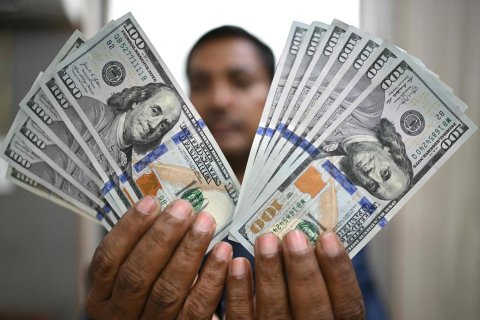
» In 2025, the dollar index, which measures the greenback's strength against a basket of major currencies, fell by roughly 9.4%. Over the same period, the United States' average effective tariff rate rose by around 14.4 percentage points, from 2.4% to 16.8%, according to the Yale Budget Lab. Taken together, these shifts imply that, in the import trade domain, the US experienced an effective exchange-rate depreciation of around 24%.

The Mindset and Technology Behind Becoming Part of the “10% Survivors” in Sustainable Trading
Published on 03/02/2026
» In the fast-moving world of trading, the greatest challenge isn’t reading charts or mastering indicators—it’s battling the enemy within: your own mind and emotions.
Middle powers can do their bit
News, Moreno Bertoldi & Marco Buti, Published on 02/02/2026
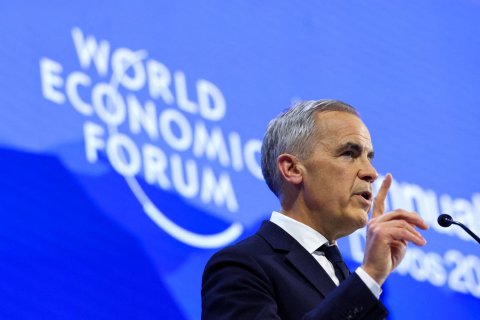
» Amid escalating geopolitical tensions, the world is increasingly caught between the United States -- an extractive superpower -- and China, a "dependency superpower" whose global influence rests on making other countries reliant on its exports. In the absence of meaningful resistance, both are likely to remain on this course, leaving middle powers to comply with their demands or face retaliation.

Is China's economic policy a little too cautious?
News, Published on 31/01/2026
» In the Chinese zodiac, 2026 is the Year of the Fire Horse. Pairing the powerful and lively horse with the element of fire yields a symbol of intensity, vitality, and forward momentum. But, the wisdom goes, the fire horse must not allow its determination to give way to recklessness. Likewise, the tension between balance and dynamism will define Chinese economic policy in the year ahead.

Guru's Weekly Buzz: Jan 30-Feb 5
Guru, Nianne-Lynn Hendricks, Published on 30/01/2026
» Guru By Bangkok Post's weekly pick of the most exciting products, activities, food and travel to indulge in.

Is XM Still Relevant in 2026? A Market Structure Perspective on the Changing Forex Landscape
Published on 28/01/2026
» From cost-driven competition to trust-based differentiation
AI and the future of education
Oped, Pinelopi Koujianou Goldberg, Published on 27/01/2026
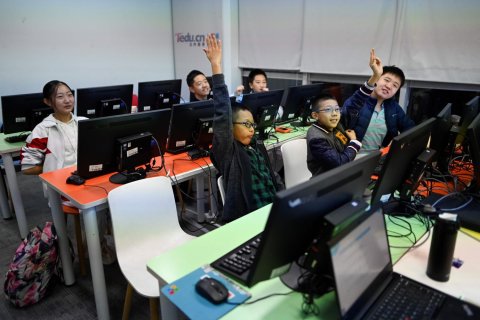
» The rapid progress of large language models over the past two years has led some to argue that AI will soon make college education, especially in the liberal arts, obsolete. According to this view, young people would be better off skipping college and learning directly on the job.