




Showing 1 - 10 of 723
Urgent push for fair climate finance
Oped, Sarinee Achavanuntakul, Published on 01/04/2026
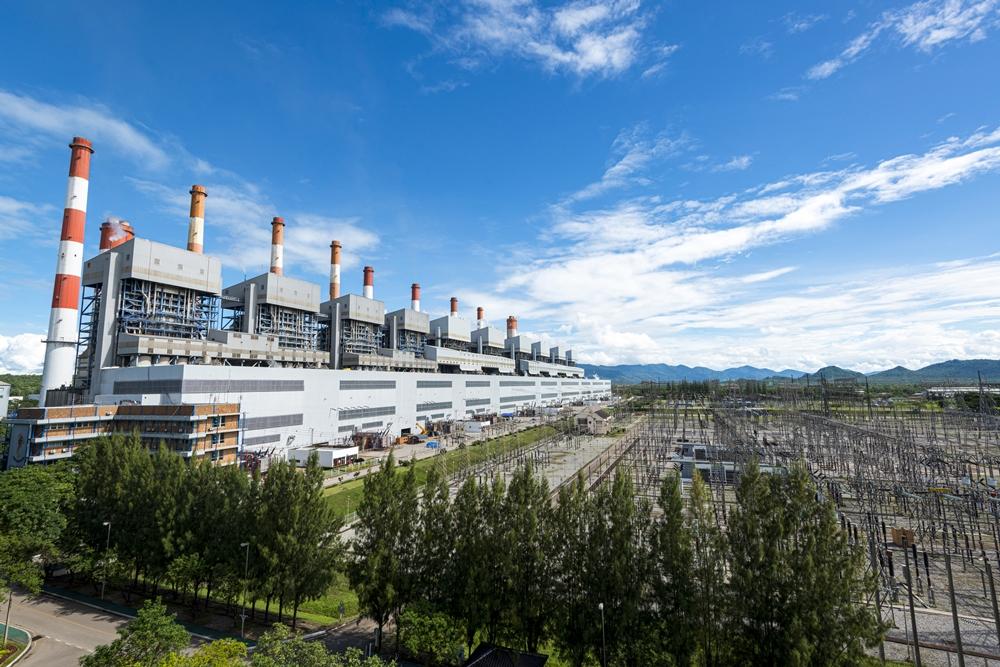
» Ever more visible, the various impacts from climate change are eroding both Thailand's economic competitiveness and the livelihoods of its people: season by season, in heat waves that flatten productivity, floods that swallow farmland, and coastal erosion that is slowly reclaiming communities.

Risk of crisis growing more acute
Oped, Chartchai Parasuk, Published on 05/03/2026
» This article is a follow-up to my previous piece titled "Fiscal deficit will trigger 2026 crisis". In that article, I argued Thailand's heavy dependence on external liquidity, combined with the government's need for 860 billion baht annually to finance its deficits, would lead to a severe liquidity shortage and, ultimately, a financial crisis.
Fiscal deficit will trigger 2026 crisis
Oped, Chartchai Parasuk, Published on 19/02/2026
» If readers want to be fully convinced that there will be a financial crisis in 2026, I can do that in three minutes. Readers need only look at the last two columns of the attached table, which depict the financing situation of the Thai economy in 2025 (actual) and 2026 (projected).
Emerging markets stand strong
Oped, Kristalina Georgieva and Mohammed Al-Jadaan, Published on 12/02/2026
» It used to be that when advanced economies sneezed, emerging markets caught a cold. That is no longer true. Following recent global shocks, such as the post-pandemic inflation surge and a new wave of tariffs, emerging markets have held up well. Inflation has continued to slow, currencies have generally retained their value, and debt issuance costs have remained at manageable levels. There has been no sign of the kind of financial turbulence that came with past economic shocks.

Ground game
Oped, Postbag, Published on 12/02/2026
» Re: "BJT win bodes well for conservatives", (BP, Feb 11). Given the tallies of the nationwide party list vote, I don't understand the justification for the following assertions: "BJT's landslide victory reflects a surge of nationalist sentiment" (5.9M votes); the PP suffered from "lingering voter scepticism" and "eroded public confidence" (9.8M votes).

In an uncertain world, gold is a comfort
Oped, Chartchai Parasuk, Published on 05/02/2026
» With Thai citizens heading to the polls this Sunday to decide which party will form the next government, I have decided to postpone my article on the economic crisis for another two weeks.

EC must act, not observe
News, Editorial, Published on 02/02/2026
» With less than a week to go before the national election, reports of vote-buying are growing louder -- and more brazen.

Thailand must manage debt to progress
Oped, Chartchai Parasuk, Published on 22/01/2026
» This article may be read as a continuation of my previous piece, Year of the Debt. That article focused mainly on household debt, which has already risen beyond the ability of Thai consumers to repay.
2026 outlook calls for recalibration
News, Mohamed A El-Erian, Published on 17/01/2026
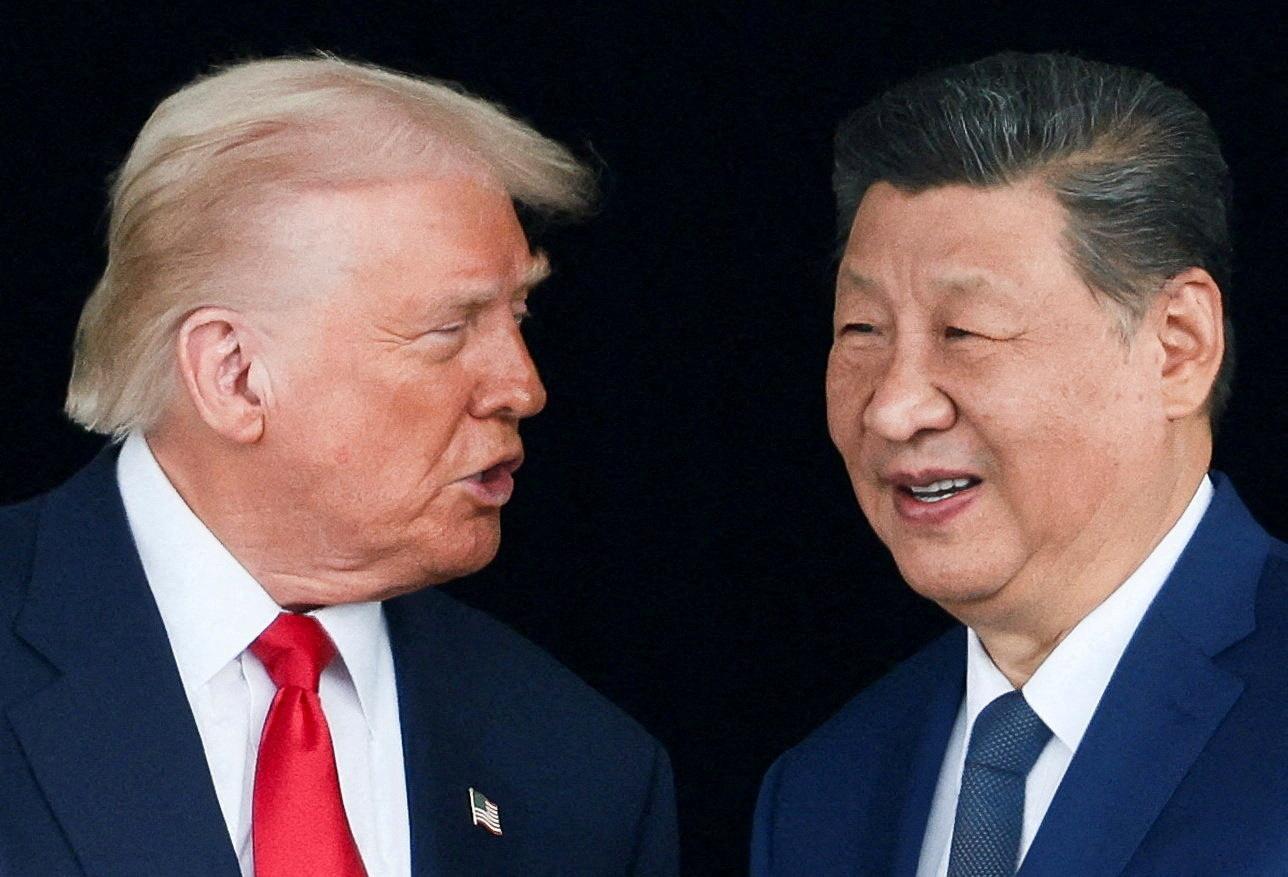
» For global markets, 2025 was defined as much by what did not happen as by what did. The year offered a masterclass in the power of a single narrative, with massive, concentrated bets on AI masking various other unanswered questions. Yet as we move further into 2026, the AI narrative is unlikely to prove strong enough to continue overshadowing other lingering uncertainties, many of which reflect deeper structural shifts. For investors, central banks, and governments alike, the situation demands adaptation.
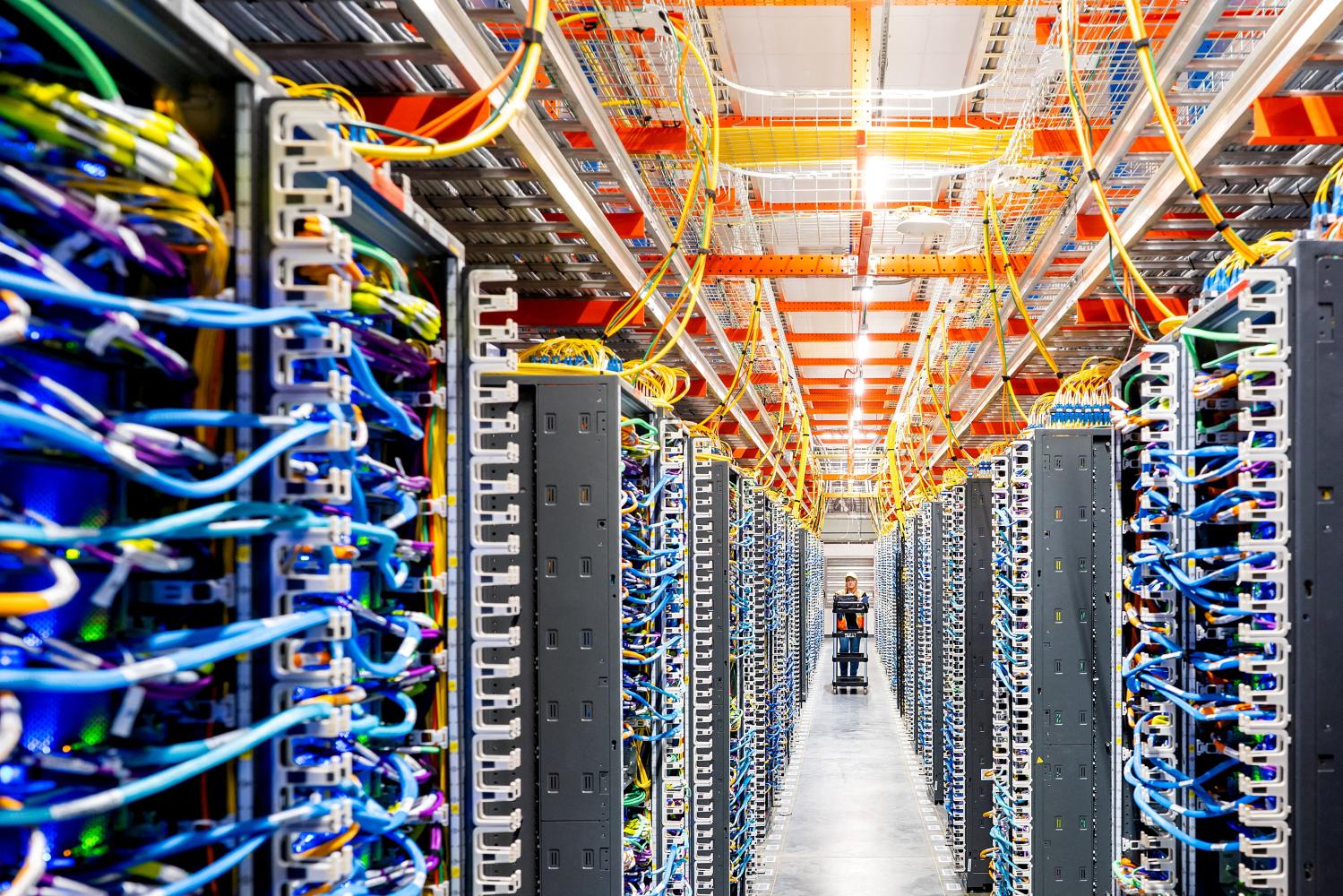
When infrastructure meets AI
Oped, Bertrand Badré & Saurabh Mishra, Published on 16/01/2026
» Infrastructure investment is booming. Around the world, governments are pouring trillions of dollars into roads, power grids, data centres, water systems, and housing, with many responding to intensifying climate shocks and the growing need for adaptation. Yet the construction industry -- the single largest force physically reshaping the planet -- is among the last major sectors to unlock all the benefits that digital technology offers. As a result, it accounts for about 21% of greenhouse-gas emissions, produces half of global landfill waste, and overspends by US$1.6 trillion a year.