



Showing 1 - 10 of 15
Diversification key to surviving volatility
Oped, Sally Tyler, Published on 13/03/2026
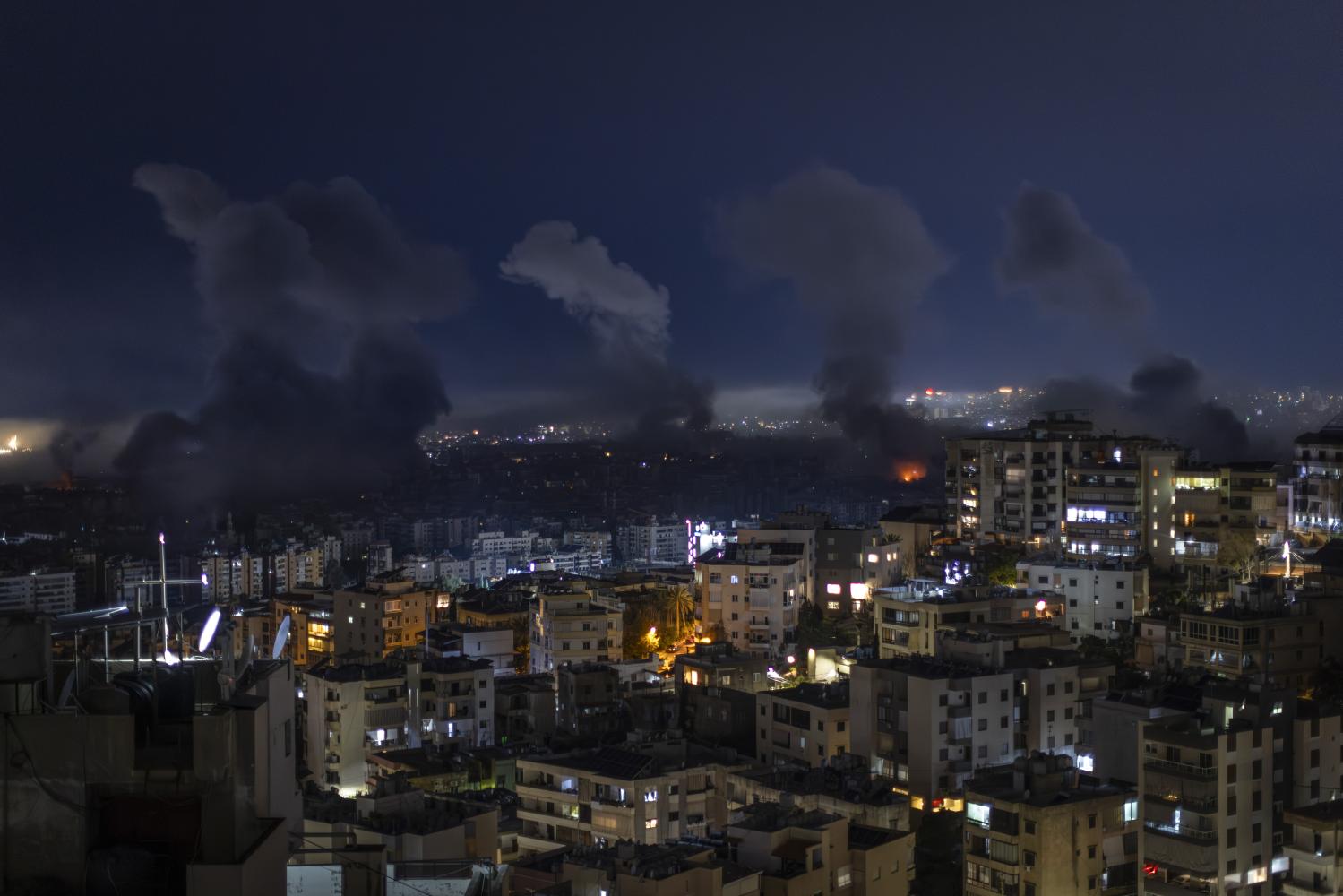
» On the day I am writing this editorial, I was meant to be travelling to Bangkok for one of my periodic visits to a city I have grown to love. I am always keen to shave off a few hours from a long-haul flight, which means the shortest flight path from my home in Washington, DC, would take me through Abu Dhabi, but my flight was cancelled like thousands of others due to the ongoing conflict in the Mideast. My inconvenience is nothing compared to the destruction endured by those on the ground, but it illustrates the expanding global impact of the US/Israel/Iran War.
Rising heat needs urgent response
Oped, Armida Salsiah Alisjahbana, Published on 24/11/2025
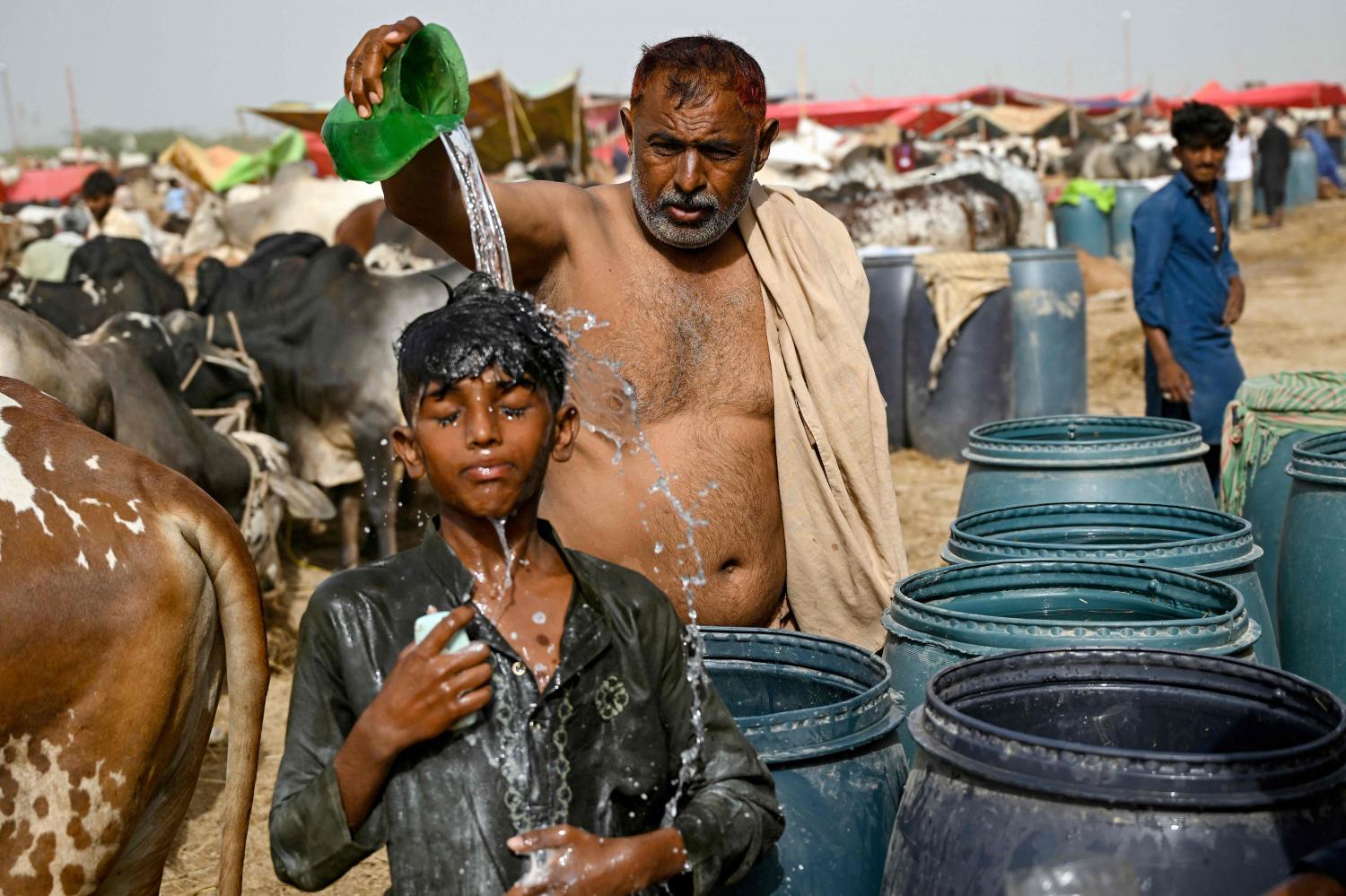
» 2024 was the hottest on record globally. In Asia and the Pacific, Bangladesh was the worst-hit country, with about 33 million people affected by lower crop yields that destabilised food systems, along with extensive school closures and many cases of heatstroke and related diseases. Children, the elderly and low-wage earners in poor and densely populated urban areas suffered the most, as they generally had less access to cooling systems or to water supplies and adequate healthcare. India, too, was badly affected, with around 700 heat-related deaths mostly in informal settlements.
Changing face of foreign direct investment
News, Jayati Ghosh, Published on 15/10/2025
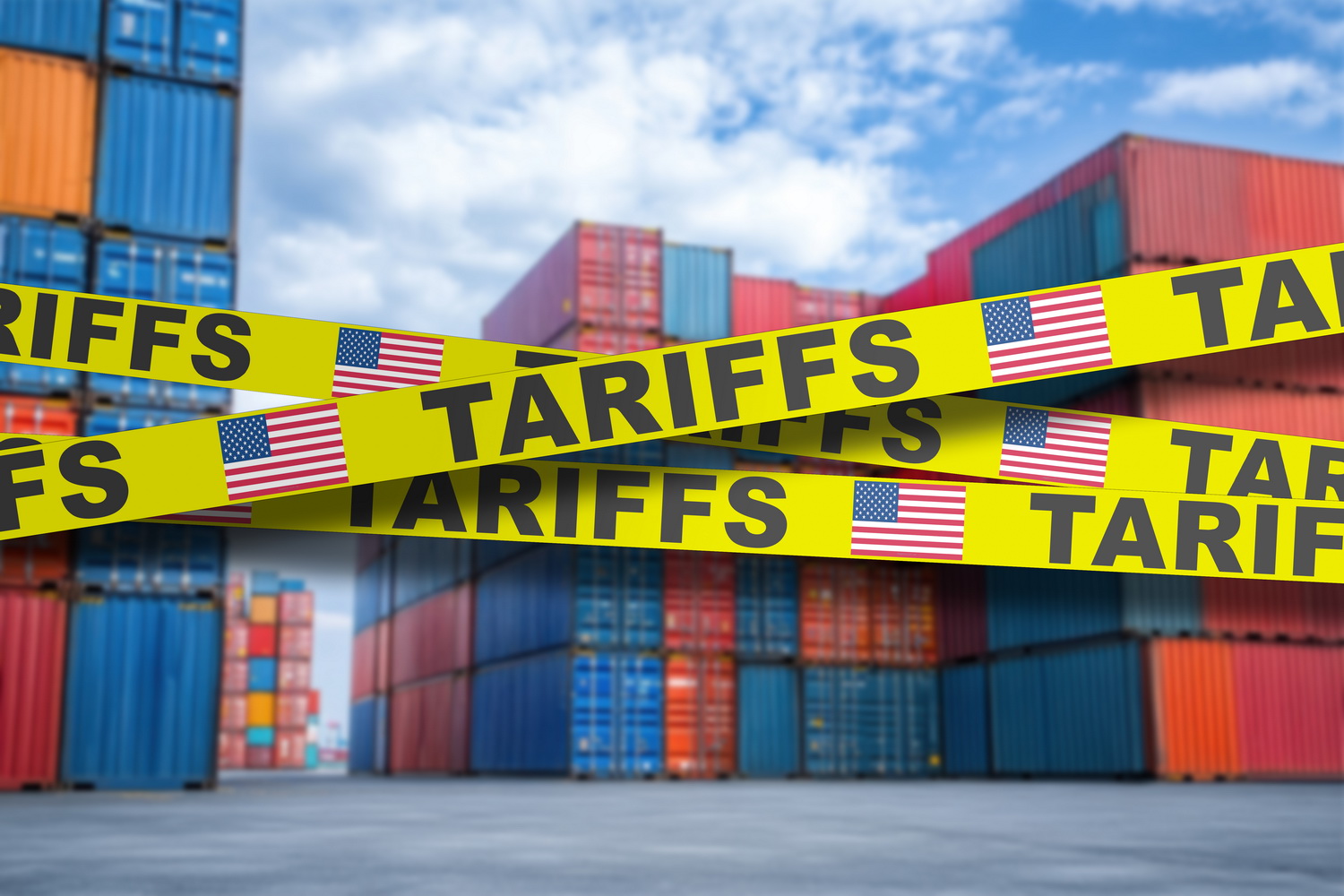
» Although US President Donald Trump's protectionist trade policies dominate news headlines, they are far from the only forces shaping global production. New investment patterns have been reshaping the global economic landscape since well before Mr Trump's tariffs.
Uniting Asia for common growth
Oped, Pisanu Suvanajata, Published on 04/09/2025
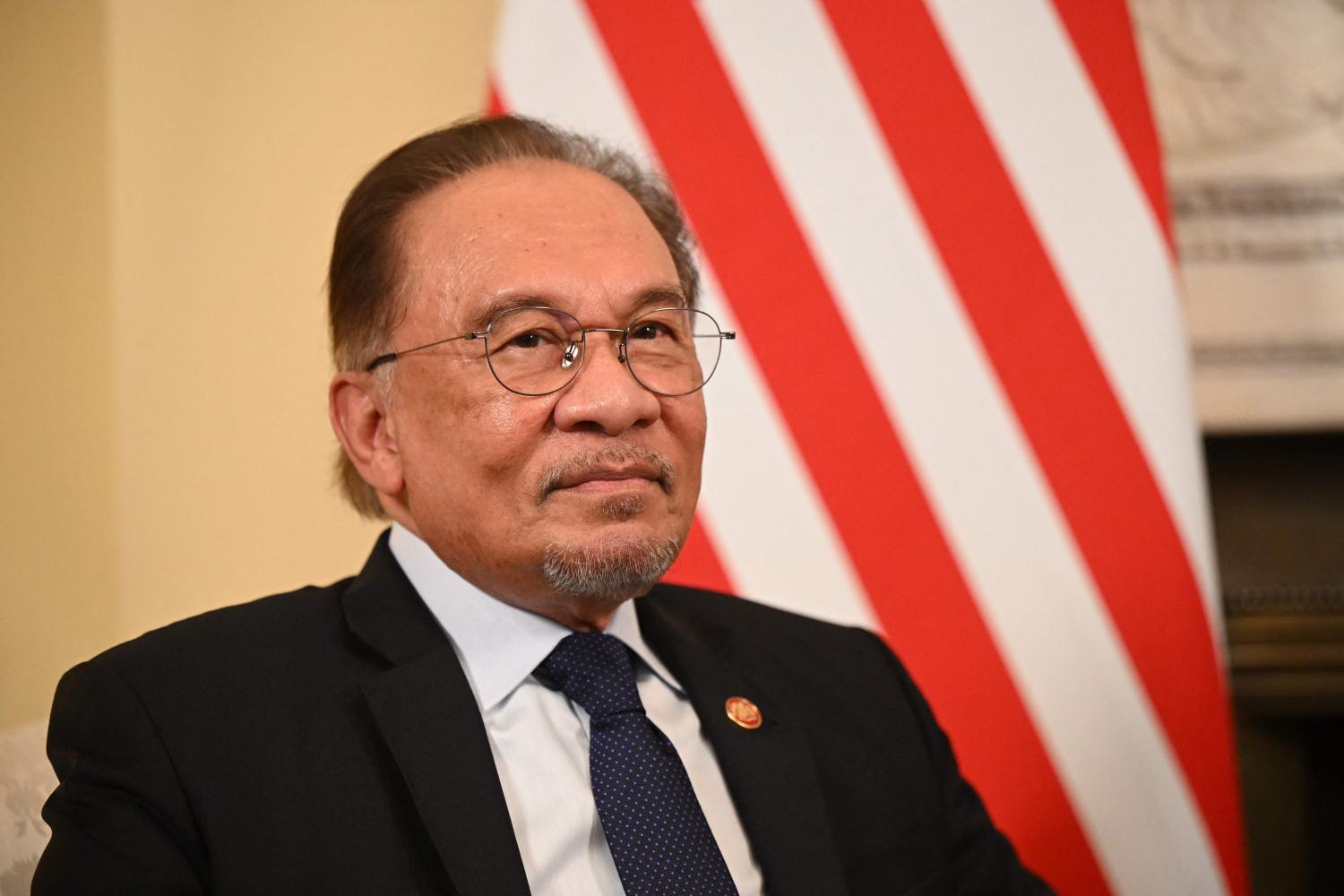
» Amidst the current geopolitical turbulence, eminent persons of the Boao Forum for Asia (BFA) gathered in Kuala Lumpur, Aug 26–27, to brainstorm pragmatic strategies and policy recommendations for Asia-Pacific countries to navigate challenges and advance towards a sustainable future.

Indonesia leads Asean with Brics entry
Oped, Kavi Chongkittavorn, Published on 14/01/2025
» Indonesia has scooped Malaysia, Vietnam, and Thailand to become the first Asean country to join the Brics bloc of developing economies as a full member. Brazil, the new Brics rotational chair, announced Indonesia's admission was timely with strategic significance.

Competitiveness affects Indonesia ties
News, Kavi Chongkittavorn, Published on 27/06/2023
» Just two years ago, Thailand and Indonesia commemorated the 70th anniversary of relations, with both sides holding events to celebrate. Over the year, they mapped out various plans that would boost bilateral ties with the aim of establishing and hastening a "strategic partnership". These included strengthening political and economic relations, investment, as well as people-to-people exchanges. In particular, both countries would establish "High-Level Committees" in their law enforcement agencies, including the police and military, to counter common challenges such as narcotics, human trafficking and call centre scams. Then a month later came the Myanmar quagmire.

US strategy won't deter China's rise
Oped, Nian Peng, Published on 22/02/2023
» After President Joe Biden took office, the United States' "Indo-Pacific Strategy" (IPS) --which was officially proposed by former president Donald Trump in November 2017 -- showed a new trend. This recent trajectory includes expanding overseas military bases to deter China's rise at sea, competing against its Belt and Road Initiative (BRI) infrastructure construction, and decoupling China's supply chain in the Indo-Pacific region.

Govt's shambolic jabs plan is 'un-Thai'
Oped, Pavida Pananond and Thitinan Pongsudhirak, Published on 07/05/2021
» The government's planned procurement and distribution of Covid-19 vaccines has become a saga that keeps circulating in news headlines. For much of last year, Thailand was lauded worldwide for its ability to contain the Covid-19 virus. But as the coronavirus pandemic increasingly moves from the virus stage to vaccine procurement and mass inoculation, Thailand faces a double whammy with a virus surge and vaccine scarcity. Unless the government changes course quickly, it risks gambling national health and local lives for what looks like a shambolic vaccine strategy.
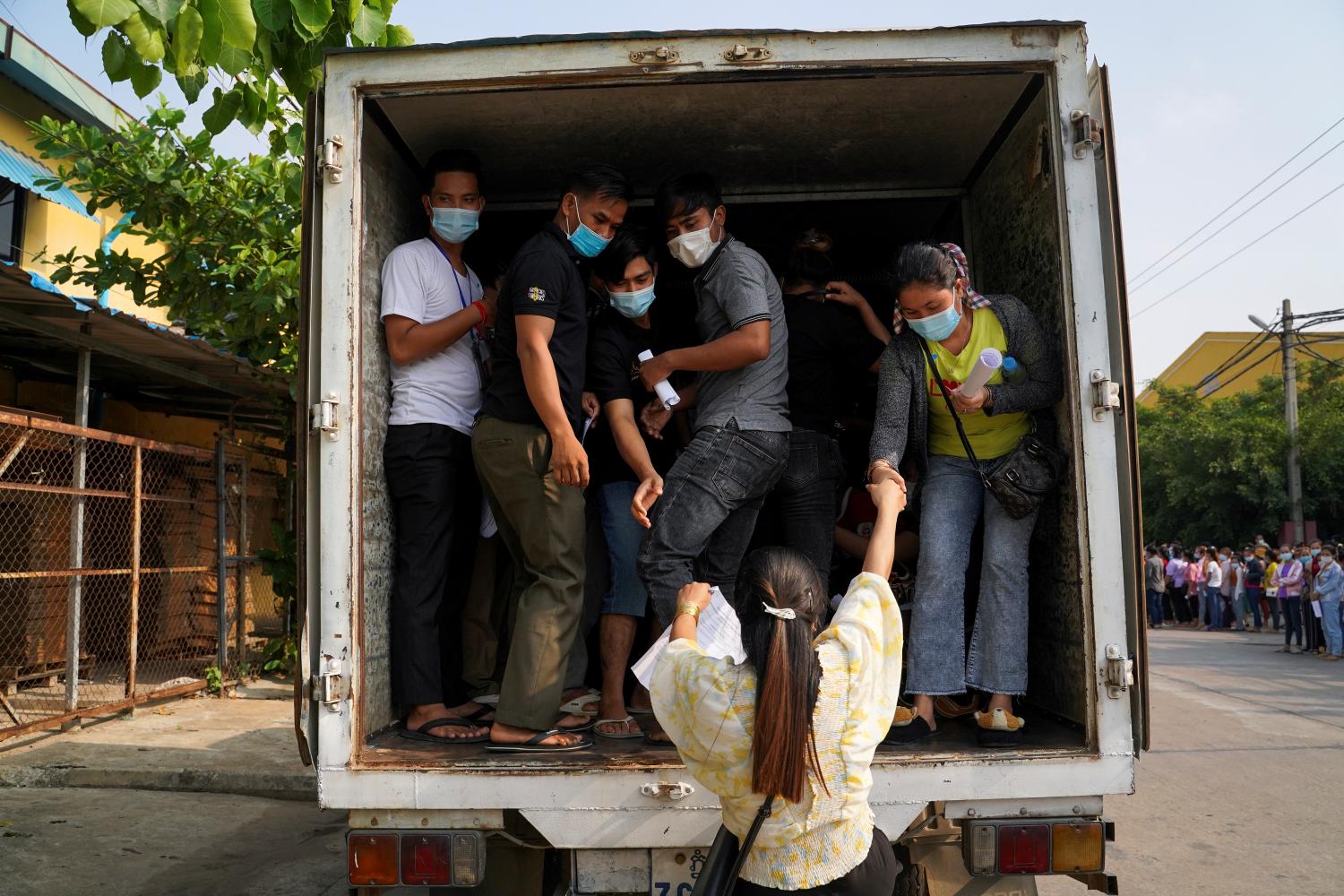
Vaccination in Southeast Asia: it's complicated
Oped, Johanna Son, Published on 24/04/2021
» 'So which wave of Covid-19 are you in?" is a question Southeast Asians ask of one another these days. A year after the lockdowns that their countries went into, many of them are, well, back in them again, even as vaccinations are underway in all countries in the region.
3 narratives for smart liveable cities, post-Covid
Oped, Venkatachalam Anbumozhi, Published on 11/02/2021
» Cities are home to most of the world's population and where problems and solutions meet. They are centres of economic growth and innovation. However, the high concentration of people and economic activities in cities make them most vulnerable to various disasters, epidemics and pandemics. In several countries, the Covid-19 pandemic emerged from the cities and spread to rural areas via peri-urban and transport corridors. In Southeast and South Asia, around 70% of all reported infections are in urban areas. Furthermore, cities consume much of the national electricity and account for more than 60% of global carbon emissions. National efforts to successfully limit global warming hinge on cities. As a result, the decisions made by city mayors can have direct and immediate impacts on the health of people and the planet -- perhaps more than national or international policies.