



Showing 1 - 6 of 6
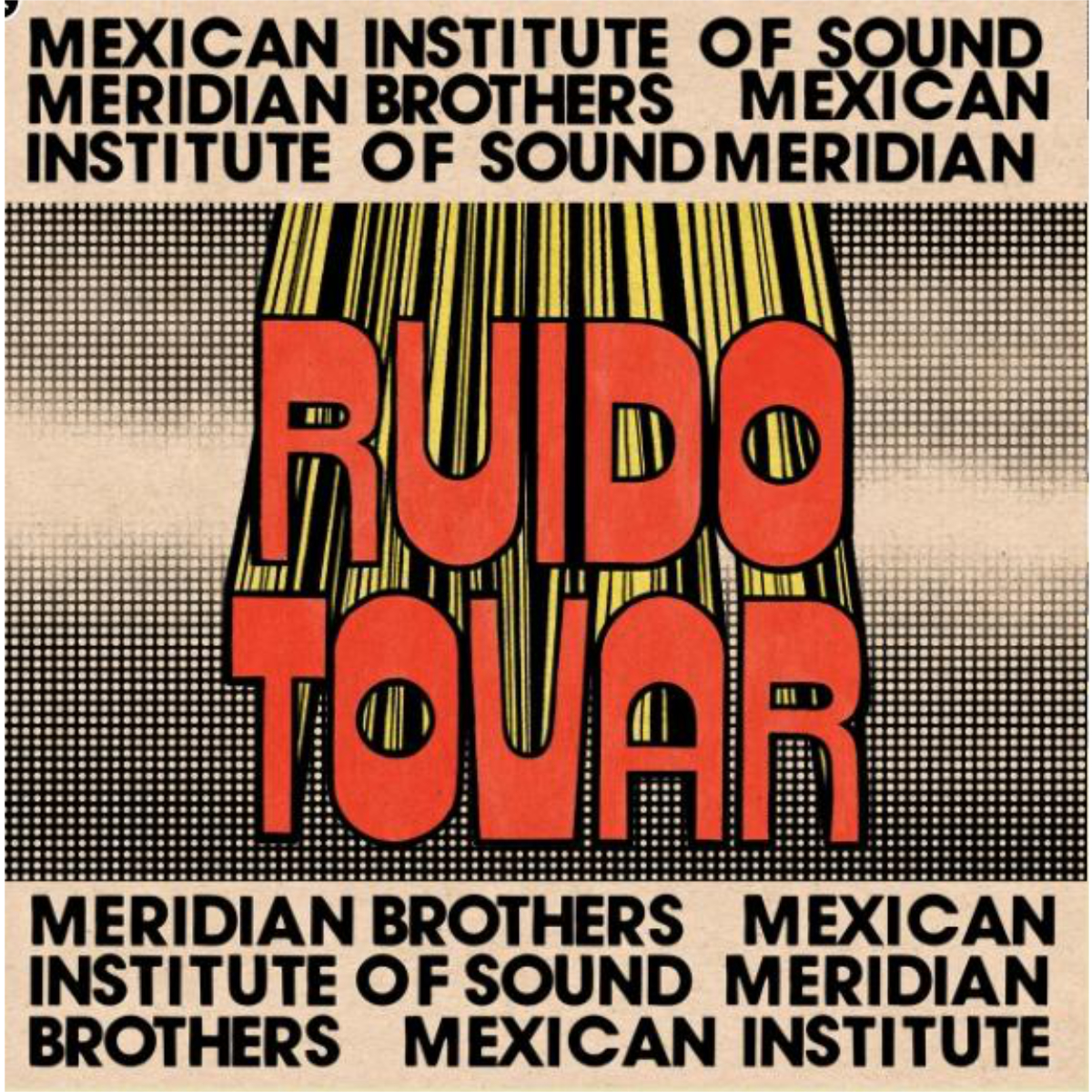
Modernising Mexican groove
Life, John Clewley, Published on 28/03/2026
» The Mexican Institute of Sound (MIS), founded in 2004 by Mexico City-based DJ and record producer Camilo Lara, is a project to bring together fusions of folk and traditional music with digital production and electronica. MIS started as a side project, based on Lara's own remixing of popular tracks.

From melons to molam
Life, John Clewley, Published on 02/01/2024
» The Jim Thompson Farm Tour in Pak Thong Chai, Korat, is back after the challenges of Covid lockdowns and economic slowdowns, with a leaner, more focused tour which this year runs from now until Friday.

Jungle music
Life, John Clewley, Published on 08/10/2019
» In 2017, I wrote about the wonderfully infectious dance music of Amazonian Peru, known as "chicha" (also Peruvian cumbia). Chicha is a funky version of cumbia, a style of music that mixes African roots and folkloric traditions found in Colombia and Panama. The collection I reviewed at the time, Roots Of Chicha, is an essential addition to any music collection.

Rumba in the jungle
Life, John Clewley, Published on 30/10/2018
» Everyone knows about the famous "Rumble in the Jungle", the epic heavyweight boxing match between George Foreman and Muhammed Ali held in Kinshasa, then Zaire, in 1974. The fight was immortalised in the Academy Award-winning film documentary When We Were Kings.

Put some schoolin' on ya
Life, John Clewley, Published on 15/05/2018
» This year marks the 100th anniversary of the birth of a New Orleans musical legend: Henry Roeland "Roy" Byrd, better known as Professor Longhair or just plain "Fess". He was born on Dec 18, 1918, in Bogalusa, Louisiana, and later moved to New Orleans with his mother.

Marrabenta, Mozambique's popular groove, is rarely heard
Life, John Clewley, Published on 13/02/2018
» The rise of post-independence popular music in Africa has unleashed a wide array of genres from many regions. A snapshot might show, from North Africa, Algerian Rai music, and street music like shaabi from Egypt; West Africa has gumbe, Malinke music, Tamashek, afrobeat and highlife and mbalax; the Congo region has its rumba Congolais and myriad dance forms, while South Africa has mbaqanga.