



Showing 1 - 10 of 41

Repair the green, respect the game
Sports, Brett Brasier, Published on 01/04/2026
» Ball marks, shoe damage such as spike marks and scrapes or indentations caused by equipment or a flagstick are regarded as damage to the putting green and therefore may be repaired. Also included would be old hole plugs, turf plugs, seams of cut turf and scrapes or indentations from maintenance tools or vehicles, animal tracks or hoof indentations, and embedded objects such as a stone, acorn, hail or tee and indentations caused by them.

The simple rules everyone should know on course
Sports, Brett Brasier, Published on 11/03/2026
» Golf's basic social guidelines when playing on the course are important to follow and vital to instil in youngsters just starting to play and this ingrained etiquette can be utilised and used for life.

Find the ball fast or pay the price -- costly
Sports, Brett Brasier, Published on 18/02/2026
» The common feedback I've received from my recent rule tips have been asking for more clear simple explanations on queries involving penalty relief, ball movement, and on-course procedures. How long can you search for a ball and what's the penalty if you accidently move your ball on the green or bunker together with the ability to take free relief from abnormal ground conditions for example: ground under repair or temporary water.

Unplayable lies: Know the three relief options
Sports, Brett Brasier, Published on 04/02/2026
» You have basically three options if your golf ball finds itself in an unplayable lie. An unplayable lie allows a golfer to take relief almost anywhere on the course but comes with a one-stroke penalty, excluding penalty areas. The player is the sole judge of whether a ball is unplayable. The 3-options for relief are -- stroke-and-distance, back-on-the-line, or lateral relief within two club-lengths of where the ball is at rest.

Putting is game's ultimate test of both skill and nerve
Sports, Brett Brasier, Published on 13/08/2025
» The four basics of putting are reading, aiming correctly, stroke mechanics and distance control, which sounds simple but in reality, getting all four of these essentials working at the same time is not so easy.
A few simple setup tweaks
Sports, Brett Brasier, Published on 06/08/2025
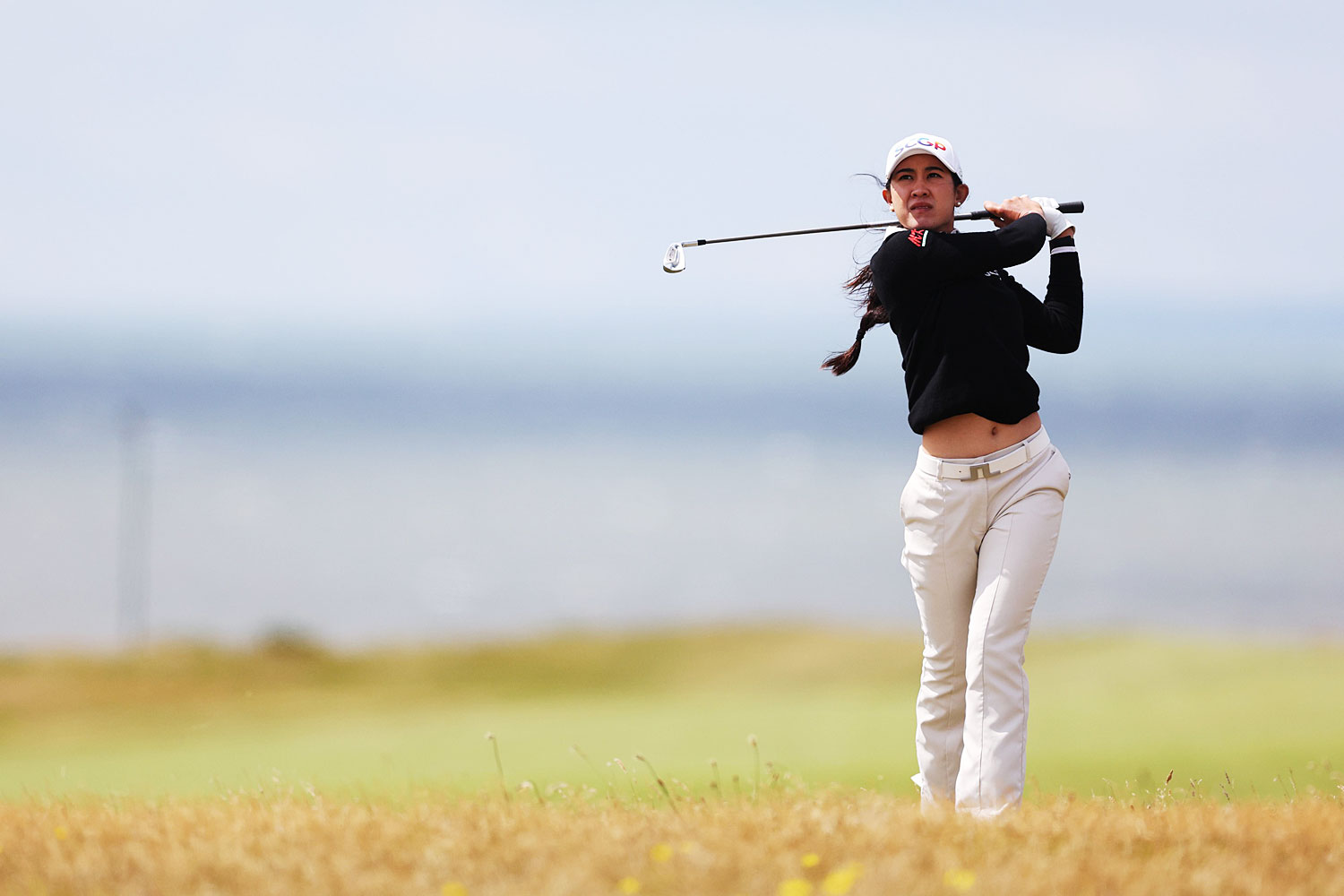
» Those of us getting on in life usually have more time to play but suffer from less flexibility, less range of motion and less speed. It's a sad combination, especially when your brain still remembers the swing you used to have.

Find fairways more often by going against the grain
Sports, Brett Brasier, Published on 23/07/2025
» When it comes to hitting it long off the tee, go with your normal shot shape. When driving the ball well, most of us play a slight draw, so no matter what the conditions, we'll always have this natural shape. Getting off the tee is the hardest part of the game for new golfers. I've seen many golfers fight their natural shot shape.

How to create a flawless foundation for good swing
Sports, Brett Brasier, Published on 11/06/2025
» In a perfect world, at the top of your backswing, the club should be parallel to the ground and pointing towards the target. Your lead arm should be extended, with your wrists hinging naturally to create a 90-degree angle between the club shaft and your left arm.

Swing smart: Power tips for women
Sports, Brett Brasier, Published on 04/06/2025
» Women's clubs are usually lighter than men's, which helps generate a faster swing. The downside is that women sometimes have a more challenging time making good contact with the ball with these lighter clubs. Regardless of using men's or ladies' clubs when swinging, imagine that the club is heavy in your hands on the downswing to make better contact with the ground and the ball. You'll also generate more clubhead speed and overall carry distance.

Hard work is essential for great swing
Sports, Brett Brasier, Published on 03/04/2025
» Most of us who've been playing for a long time picked up the basics of the game from watching carefully the swings of good players. Imitation has started many of us off in the game but this alone does not allow you to fully understand the swings inner workings. I must be honest here and say that watching only good swings will not make a good player. There is no shortcut, that I'm aware of, that will make a good player other than some hard work on the practice range. Imagining a nice-looking swing whilst hitting balls will help but we're all made differently, and as one well known player once told me 'we all have to work out what works on the course through blood, sweat and tears' so all the many movements required becomes muscle memory.