



Showing 1 - 10 of 14
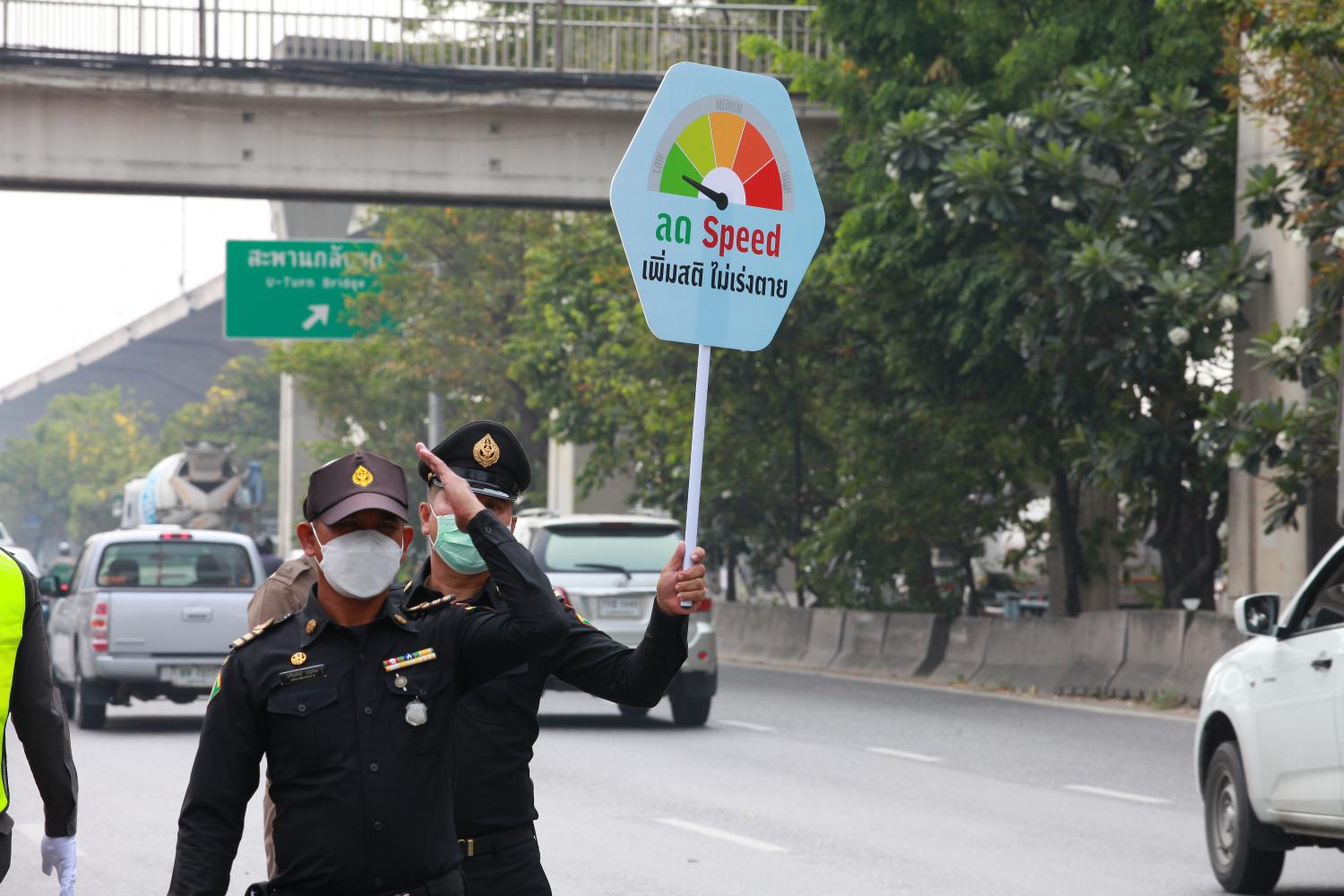
We don't need 'Seven Dangerous Days'
Oped, Peerasit Kamnuansilpa, Published on 27/02/2026
» Every Thai driver recognises the moment. The light turns green. Naturally, you can move; yet in Thai-style traffic, your instincts tell you to be hesitant. Despite the traffic light, a reckless motorcycle may still cross. A pickup may not stop. Drivers behind start honking as they wait to pass through the intersection. For a brief second, drivers just cannot afford to be certain about how others will behave.
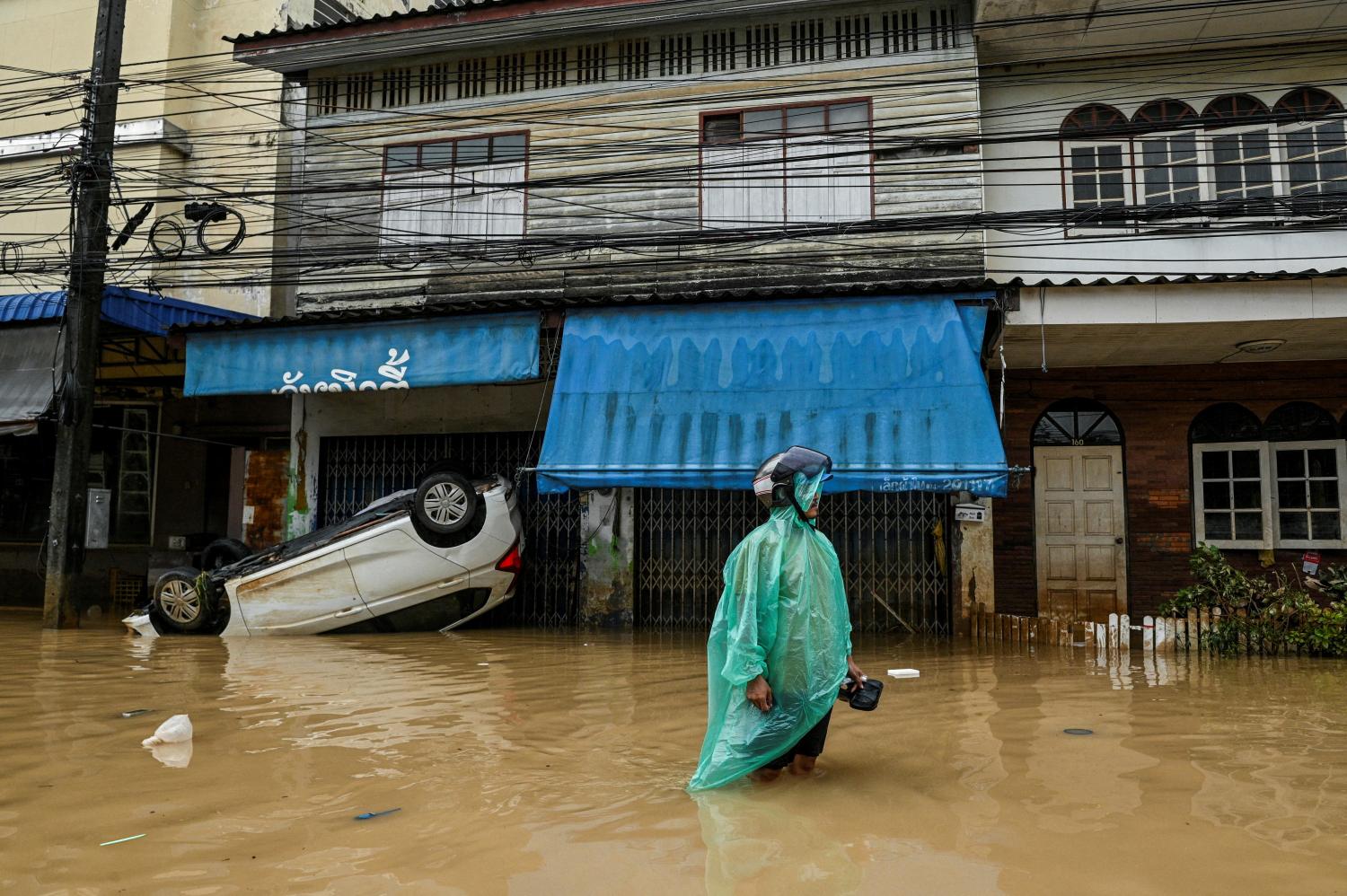
Rethinking local flood management
News, Peerasit Kamnuansilpa, Published on 12/12/2025
» As global temperatures rise, extreme rainfall and severe flooding are happening around the world. The science is clear; with every 1 degree Celsius increase, the atmosphere will hold 7% more water vapour. This may explain why storms are more intense as the world warms.
The effects of unfinished momentum
News, Peerasit Kamnuansilpa, Published on 08/11/2025
» Why do some nations surge confidently into the future while others advance only in half-steps, not declining but not accelerating either? In their influential book Why Nations Fail (first published in 2012), Daron Acemoglu -- now a Nobel Prize economist -- and James Robinson, both economists and political scientists at the University of Chicago, offer a helpful lens for understanding Thailand's development path without casting blame or provoking division.

From FDI to homegrown growth
Oped, Peerasit Kamnuansilpa, Published on 11/09/2025
» For decades, Thailand has leaned heavily on foreign direct investment (FDI) as the engine of growth. That strategy once delivered jobs and exports, but today it yields diminishing returns. Inflows are volatile, competitiveness is slipping, and dependence on external capital leaves the economy vulnerable to global shocks. Thailand must change course.
Thailand must redefine FDI for future
News, Peerasit Kamnuansilpa, Published on 14/08/2025
» Thailand's economic future looks increasingly uncertain. Once a rising star among emerging markets, the country now faces persistent stagnation. A key reason lies in how we have treated foreign direct investment (FDI) -- not as a strategic lever for national economic development but as a short-term fix driven by rent-seeking behaviour, bureaucratic collusion, and a failure to safeguard the nation's long-term economic interests and its goals for equitable development.

Thailand still has chance to shine
Oped, Peerasit Kamnuansilpa, Published on 31/07/2025
» Thailand's economy is losing momentum. Growth rates have steadily declined, from 7.2% in 2012 to just 1.9% in 2023. Without a new vision for development, the country faces the real possibility of becoming stuck in permanent stagnation. The absence of bold leadership and structural reform has left Thailand vulnerable, while its regional peers -- Singapore, China, and South Korea -- surge ahead. These countries have demonstrated that visionary and compassionate leadership, combined with political reform and good governance, can transform the economic fortunes of an entire nation.

Rethinking what it means to be human
News, Peerasit Kamnuansilpa, Published on 05/07/2025
» In the decades ahead, Thailand will not collapse in a blaze of war, disease, or climate catastrophe. Rather, it will quietly wither from within. The twin forces of demographic decline and digital automation are converging with astonishing speed, and yet our political and moral imaginations remain unprepared.

Time to rethink Thailand's soft power
Oped, Peerasit Kamnuansilpa, Published on 09/04/2025
» For years, Thailand has marketed itself to the world through golden temples, glittering beaches, street food, and warm hospitality. The "Land of Smiles" has become a global brand, but soft power is not a marketing campaign -- it's a long game of developing and nourishing values, trust, and strategic diplomacy. In that game, Thailand is falling behind.

Thailand's development model splutters
Oped, Peerasit Kamnuansilpa, Published on 16/03/2023
» Location-based economic development (LED) strategies, defined as government efforts to improve a particular area's economic and social conditions, were implemented in economically advanced countries long before they were in Thailand.

Where did we go wrong in the battle against Covid?
Oped, Peerasit Kamnuansilpa, Published on 04/08/2021
» In January, a mere seven months ago, I and two of faculty members at the College of Local Administration, Khon Kaen University, co-authored a paper titled, "Locally-Driven Action in Pandemic Control: A Case of Khon Kaen Province". This article presented the results of a study that examined the local action taken in Covid-19 control and prevention measures in Khon Kaen. At that time, Thailand was among the leading nations in the world in Covid control.