



Showing 1 - 8 of 8
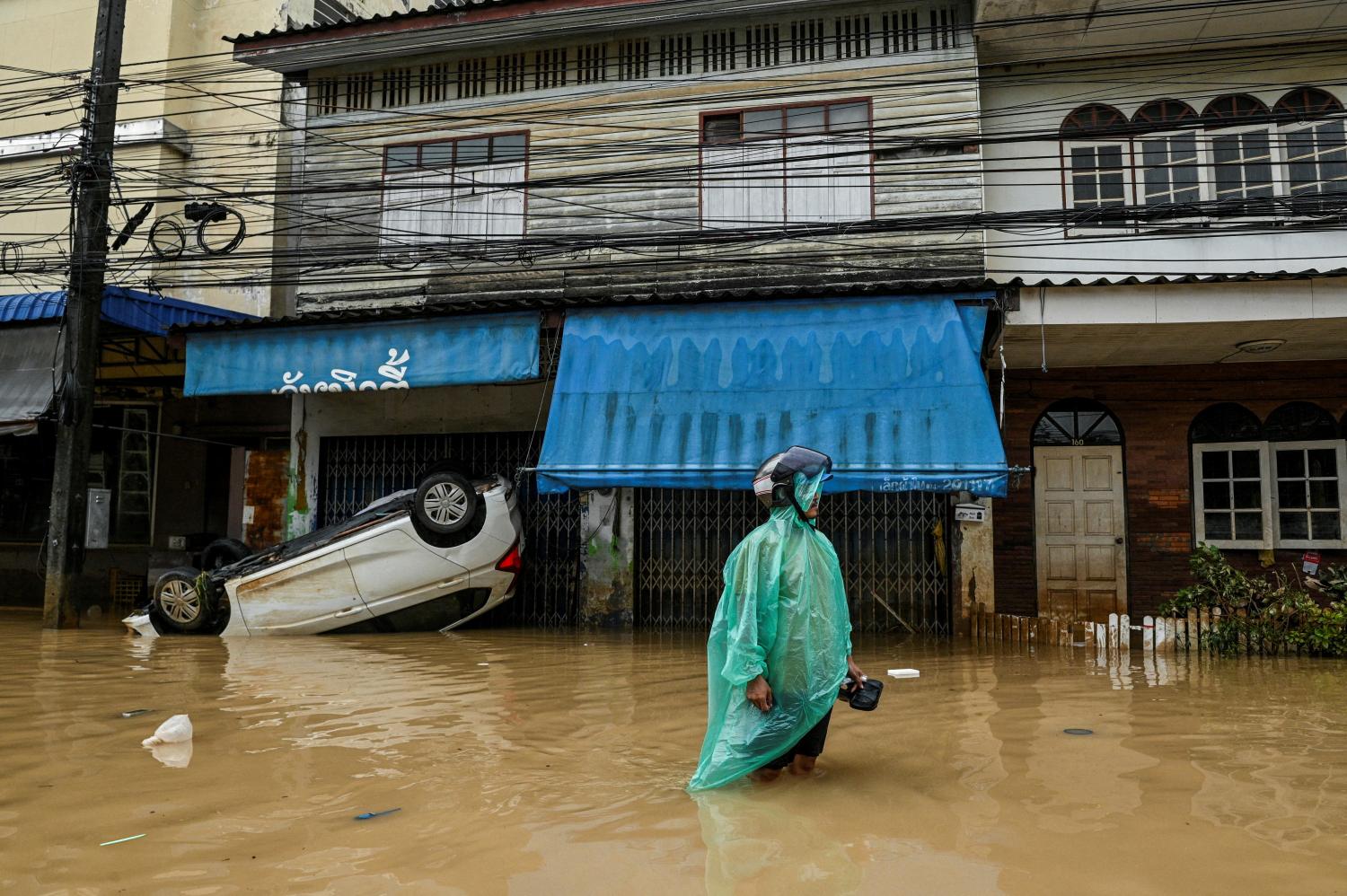
Rethinking local flood management
News, Peerasit Kamnuansilpa, Published on 12/12/2025
» As global temperatures rise, extreme rainfall and severe flooding are happening around the world. The science is clear; with every 1 degree Celsius increase, the atmosphere will hold 7% more water vapour. This may explain why storms are more intense as the world warms.
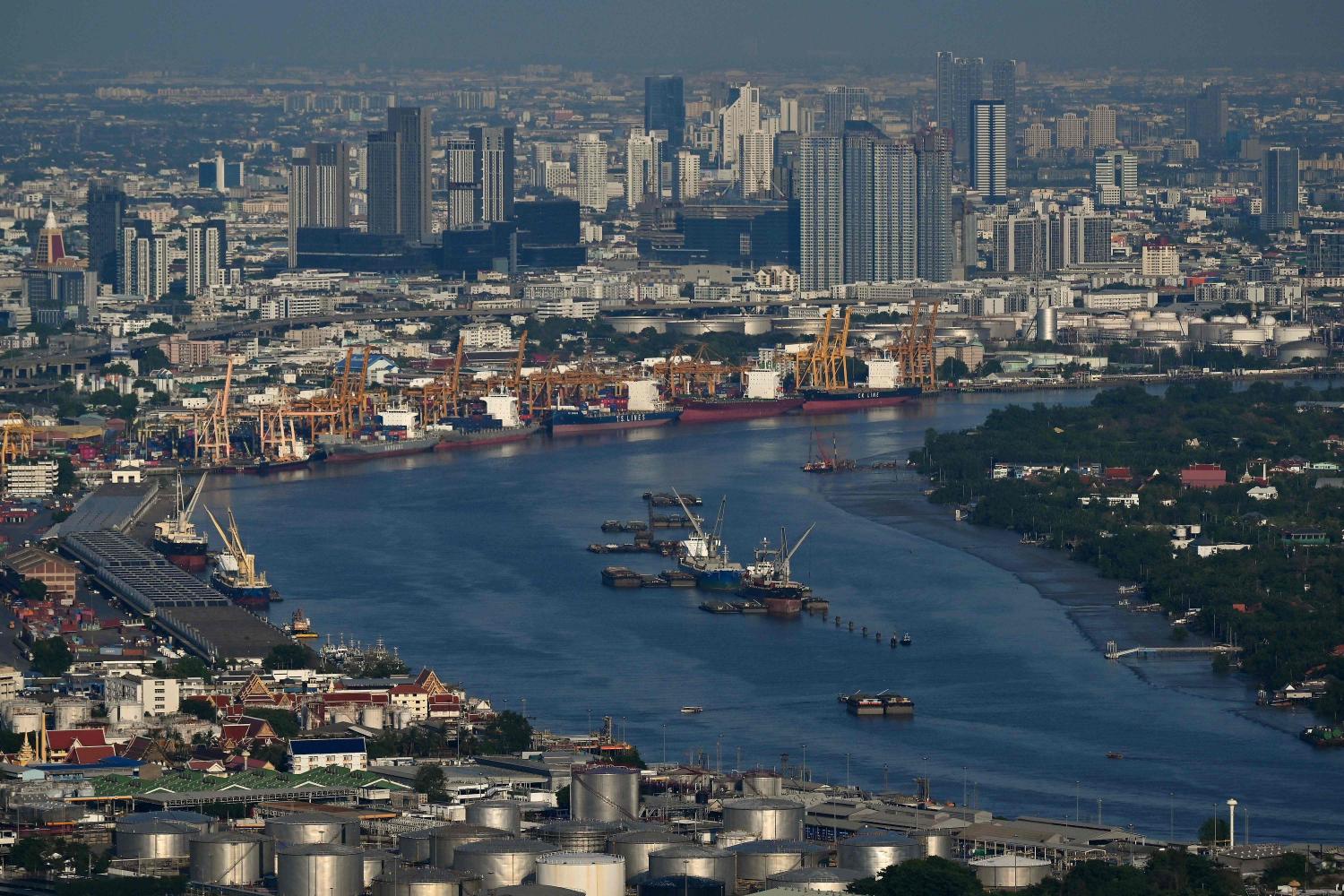
The effects of unfinished momentum
News, Peerasit Kamnuansilpa, Published on 08/11/2025
» Why do some nations surge confidently into the future while others advance only in half-steps, not declining but not accelerating either? In their influential book Why Nations Fail (first published in 2012), Daron Acemoglu -- now a Nobel Prize economist -- and James Robinson, both economists and political scientists at the University of Chicago, offer a helpful lens for understanding Thailand's development path without casting blame or provoking division.

From FDI to homegrown growth
Oped, Peerasit Kamnuansilpa, Published on 11/09/2025
» For decades, Thailand has leaned heavily on foreign direct investment (FDI) as the engine of growth. That strategy once delivered jobs and exports, but today it yields diminishing returns. Inflows are volatile, competitiveness is slipping, and dependence on external capital leaves the economy vulnerable to global shocks. Thailand must change course.

Thailand still has chance to shine
Oped, Peerasit Kamnuansilpa, Published on 31/07/2025
» Thailand's economy is losing momentum. Growth rates have steadily declined, from 7.2% in 2012 to just 1.9% in 2023. Without a new vision for development, the country faces the real possibility of becoming stuck in permanent stagnation. The absence of bold leadership and structural reform has left Thailand vulnerable, while its regional peers -- Singapore, China, and South Korea -- surge ahead. These countries have demonstrated that visionary and compassionate leadership, combined with political reform and good governance, can transform the economic fortunes of an entire nation.

Time to rethink Thailand's soft power
Oped, Peerasit Kamnuansilpa, Published on 09/04/2025
» For years, Thailand has marketed itself to the world through golden temples, glittering beaches, street food, and warm hospitality. The "Land of Smiles" has become a global brand, but soft power is not a marketing campaign -- it's a long game of developing and nourishing values, trust, and strategic diplomacy. In that game, Thailand is falling behind.
Can Thailand ever move forward?
Oped, Peerasit Kamnuansilpa, Published on 28/04/2021
» In 2013, the People's Democratic Reform Committee (PDRC) was formed, with members branding themselves as true patriots who maintained that the majority of those who were in the opposition came to power through vote-buying. They pushed for heavier legal punishments and removing the statute of limitations in cases involving corrupt politicians. They organised political rallies, obstructing many polling stations. The leaders were arrested and tried. The court saw this as a disruption of public services, which they saw as tantamount to terrorism and insurrection. On Feb 24, 2021 they were sentenced to imprisonment but released on bail.
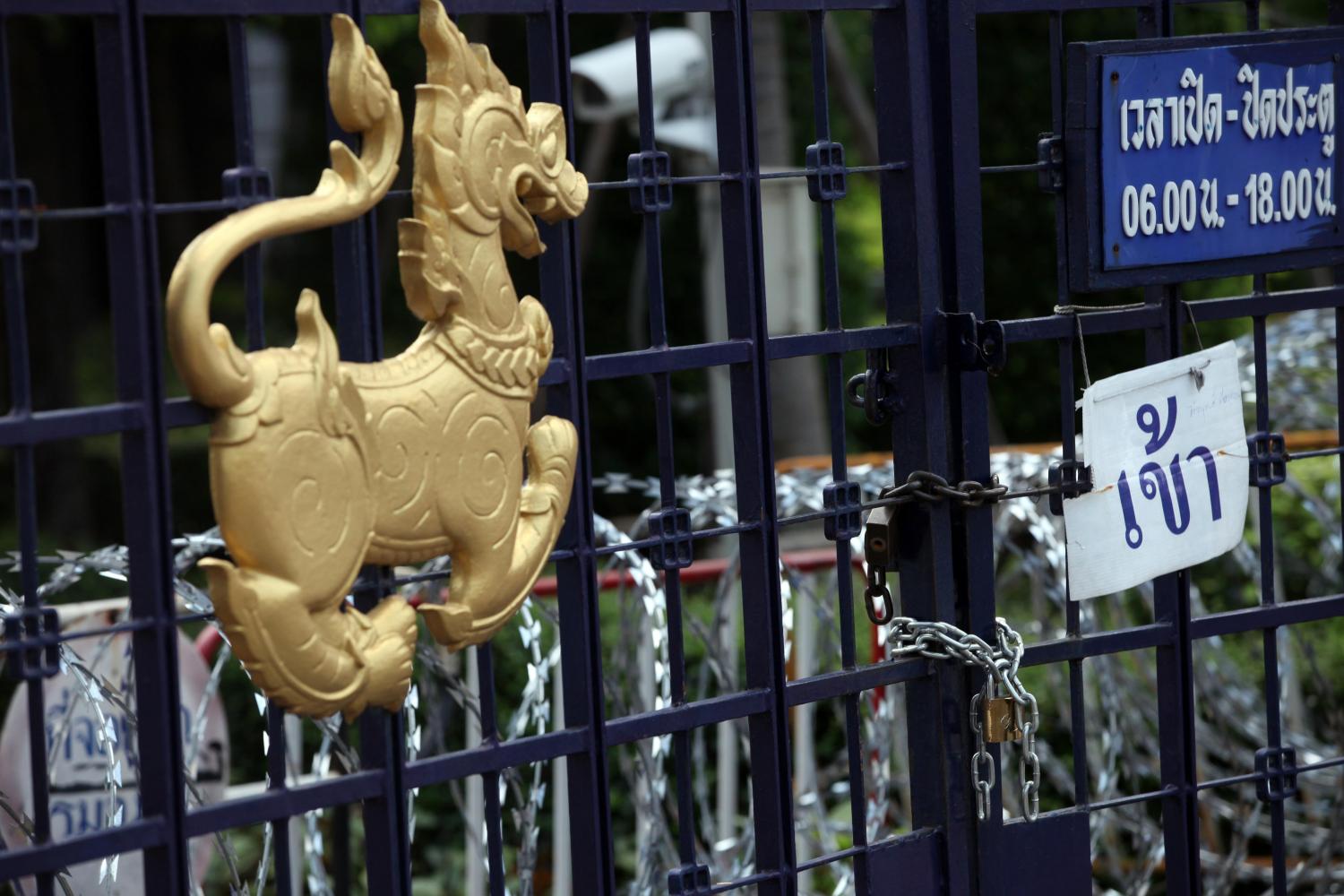
Planting the seeds of development
Oped, Peerasit Kamnuansilpa, Published on 03/02/2021
» Economic development in Thailand has not just been a responsibility of the central government, but its exclusive domain. Thus, the management inventiveness and fiscal autonomy of local governments for this function are often shackled by the rules, regulations and orders from the bureaucrats within the central government agencies or by those at the provincial level.

The path to poverty in Thailand
Oped, Peerasit Kamnuansilpa, Published on 20/01/2021
» Thailand has had an interesting journey to its current ranking of sixth in the world, and first in Asia, in income inequality, as cited by the World Population Review. The country has historically been a patronage society, where the upper echelons of society are expected to look after those who are underprivileged.