



Showing 1 - 9 of 9
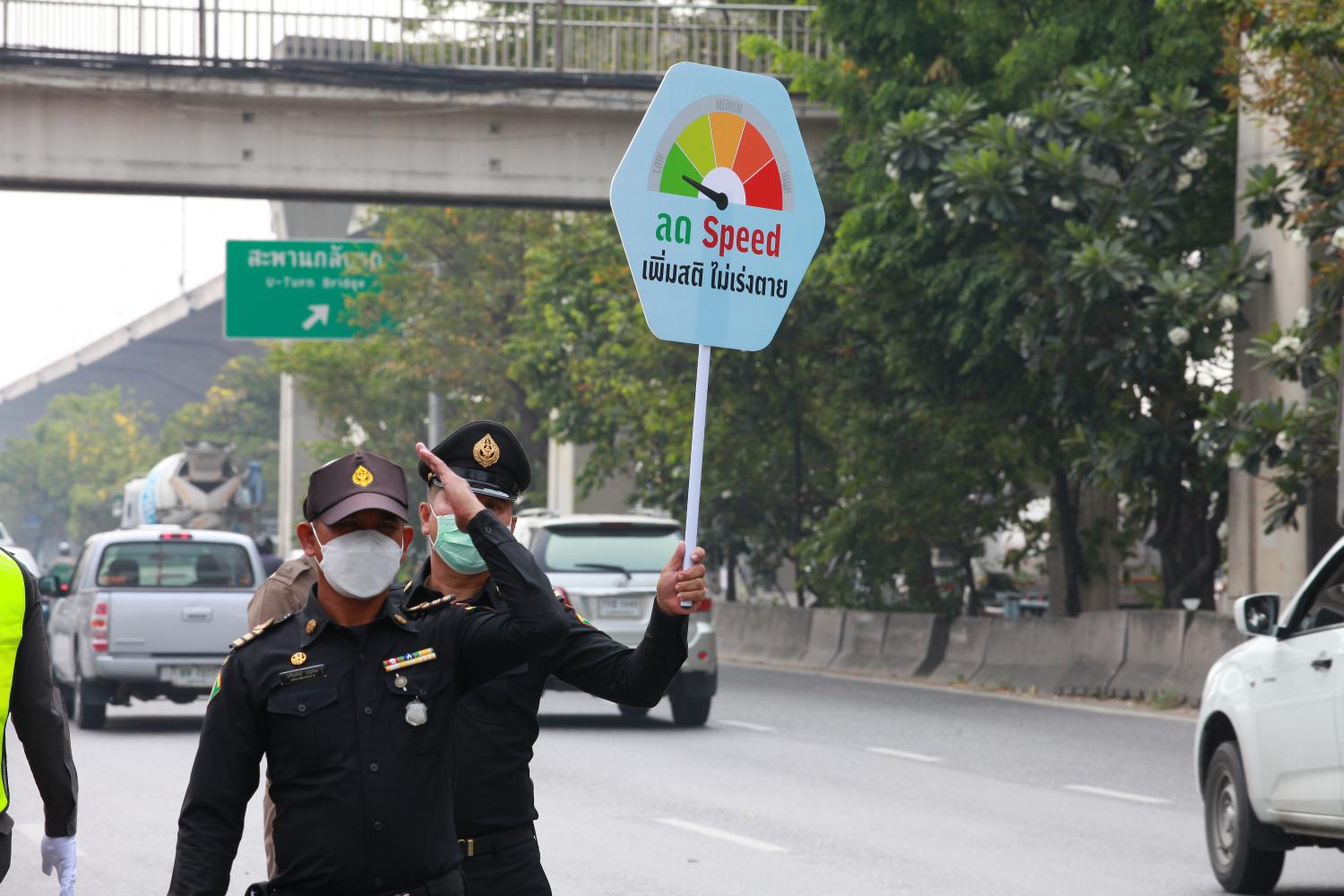
We don't need 'Seven Dangerous Days'
Oped, Peerasit Kamnuansilpa, Published on 27/02/2026
» Every Thai driver recognises the moment. The light turns green. Naturally, you can move; yet in Thai-style traffic, your instincts tell you to be hesitant. Despite the traffic light, a reckless motorcycle may still cross. A pickup may not stop. Drivers behind start honking as they wait to pass through the intersection. For a brief second, drivers just cannot afford to be certain about how others will behave.
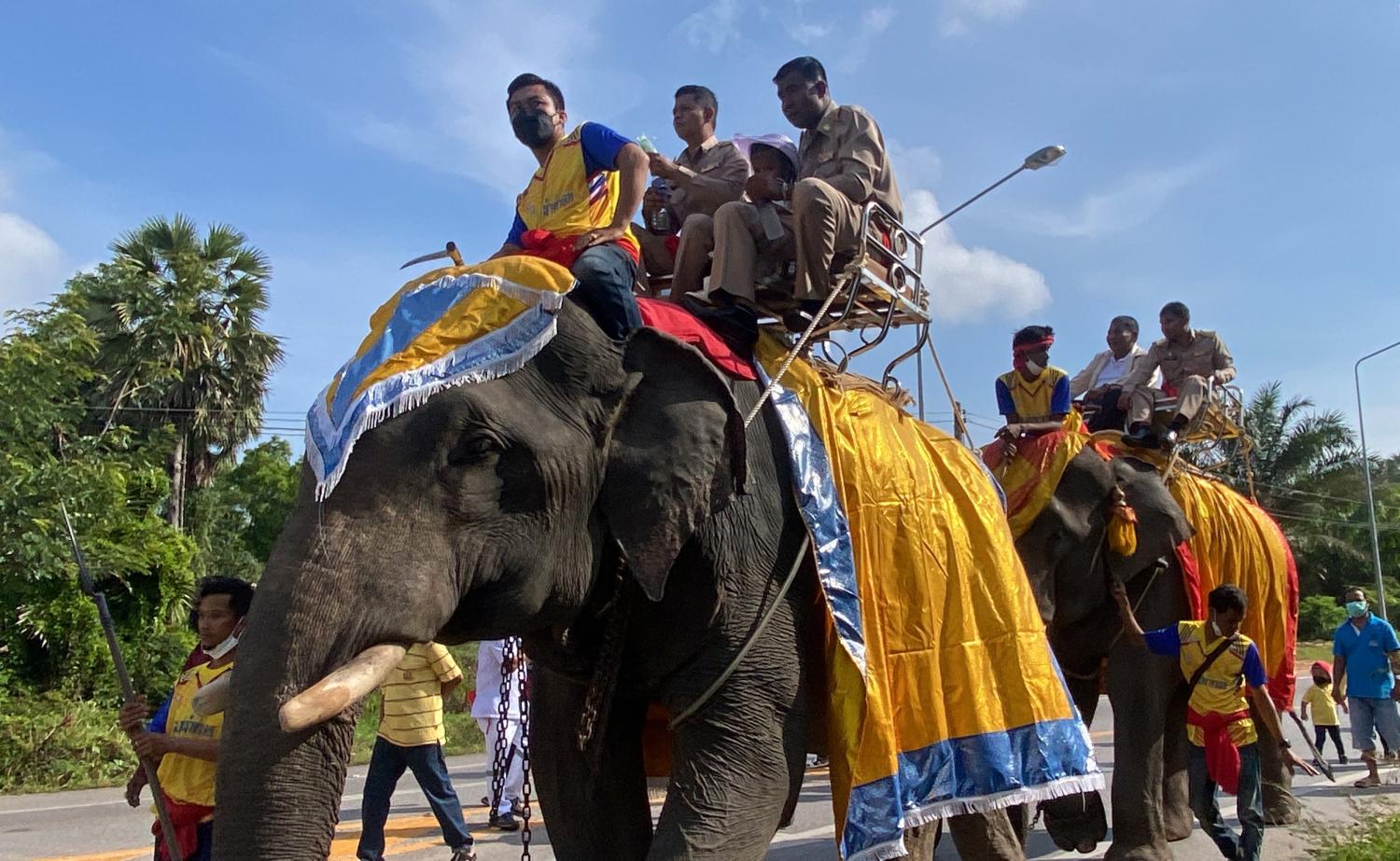
Thailand's unfinished 'Lodi' journey
News, Peerasit Kamnuansilpa, Published on 24/11/2025
» It all began with a song. "Lodi", written by John Fogerty and sung by Creedence Clearwater Revival, tells of a musician stranded in a small town -- out of luck but not out of hope. "Oh Lord," he sings, "stuck in Lodi again".
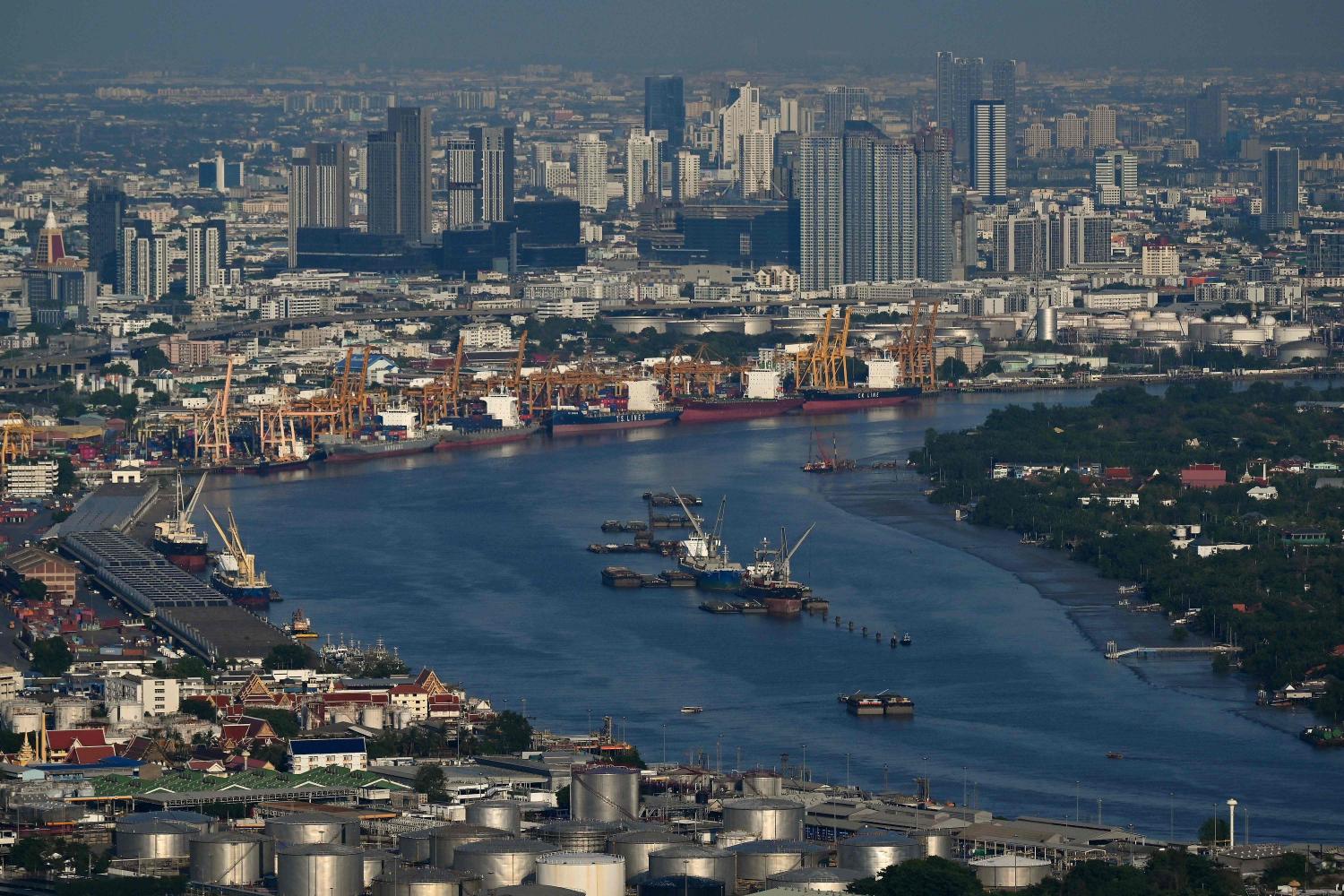
The effects of unfinished momentum
News, Peerasit Kamnuansilpa, Published on 08/11/2025
» Why do some nations surge confidently into the future while others advance only in half-steps, not declining but not accelerating either? In their influential book Why Nations Fail (first published in 2012), Daron Acemoglu -- now a Nobel Prize economist -- and James Robinson, both economists and political scientists at the University of Chicago, offer a helpful lens for understanding Thailand's development path without casting blame or provoking division.

Harnessing Thailand's human capital
News, Peerasit Kamnuansilpa, Published on 28/06/2024
» Thailand is currently on a distressing trajectory towards depopulation, with the number of deaths each year surpassing the number of births. The latest available data from the Department of Provincial Administration paints a grim picture, showing over 48,000 more deaths than births last year. This number is set to escalate as the number of births continues to plummet and death rates surge. Should the current trend persist, by 2083, Thailand's population is projected to shrink by half to 33 million. The leading cause of this demographic dynamic is the decline in fertility rates among Thai women. These declining fertility rates have severe repercussions and thus warrant the attention and actions of national leaders.

On why Thailand is politically unstable
Oped, Peerasit Kamnuansilpa, Published on 15/11/2023
» Since the 1932 revolution -- triggered by a coup by progressive elites that replaced the absolute monarchy with a constitutional monarchy -- Thailand's politics have been marked by persistent conflict and instability.

Progress through decentralisation
Oped, Peerasit Kamnuansilpa, Published on 30/05/2023
» The results of the latest general election have indicated a clear direction that most citizens would like the country to go. However, because of the entrenched power structure, the effort by a coalition of opposition parties to form a new government that could radically transform Thailand may be futile. The first reason is the Election Commission's scrutiny of the claims that Mr Pita Limjaroenrat, the Move Forward Party's leader, owns ITV shares. Second, he may be unable to garner the needed 376 votes from the Senate and parliament. Finally, will the dispute over the House speaker position affect the coalition?

Less local control a threat to Thai democracy
Oped, Peerasit Kamnuansilpa, Published on 19/11/2021
» After an almost seven-year suspension, Thailand held its first local elections for chief executive officers (CEO) and council members of provincial administrative organisations (PAO) on Dec 20, 2020, followed by the election of mayors and city council members on March 28 of this year.
Can Thailand ever move forward?
Oped, Peerasit Kamnuansilpa, Published on 28/04/2021
» In 2013, the People's Democratic Reform Committee (PDRC) was formed, with members branding themselves as true patriots who maintained that the majority of those who were in the opposition came to power through vote-buying. They pushed for heavier legal punishments and removing the statute of limitations in cases involving corrupt politicians. They organised political rallies, obstructing many polling stations. The leaders were arrested and tried. The court saw this as a disruption of public services, which they saw as tantamount to terrorism and insurrection. On Feb 24, 2021 they were sentenced to imprisonment but released on bail.
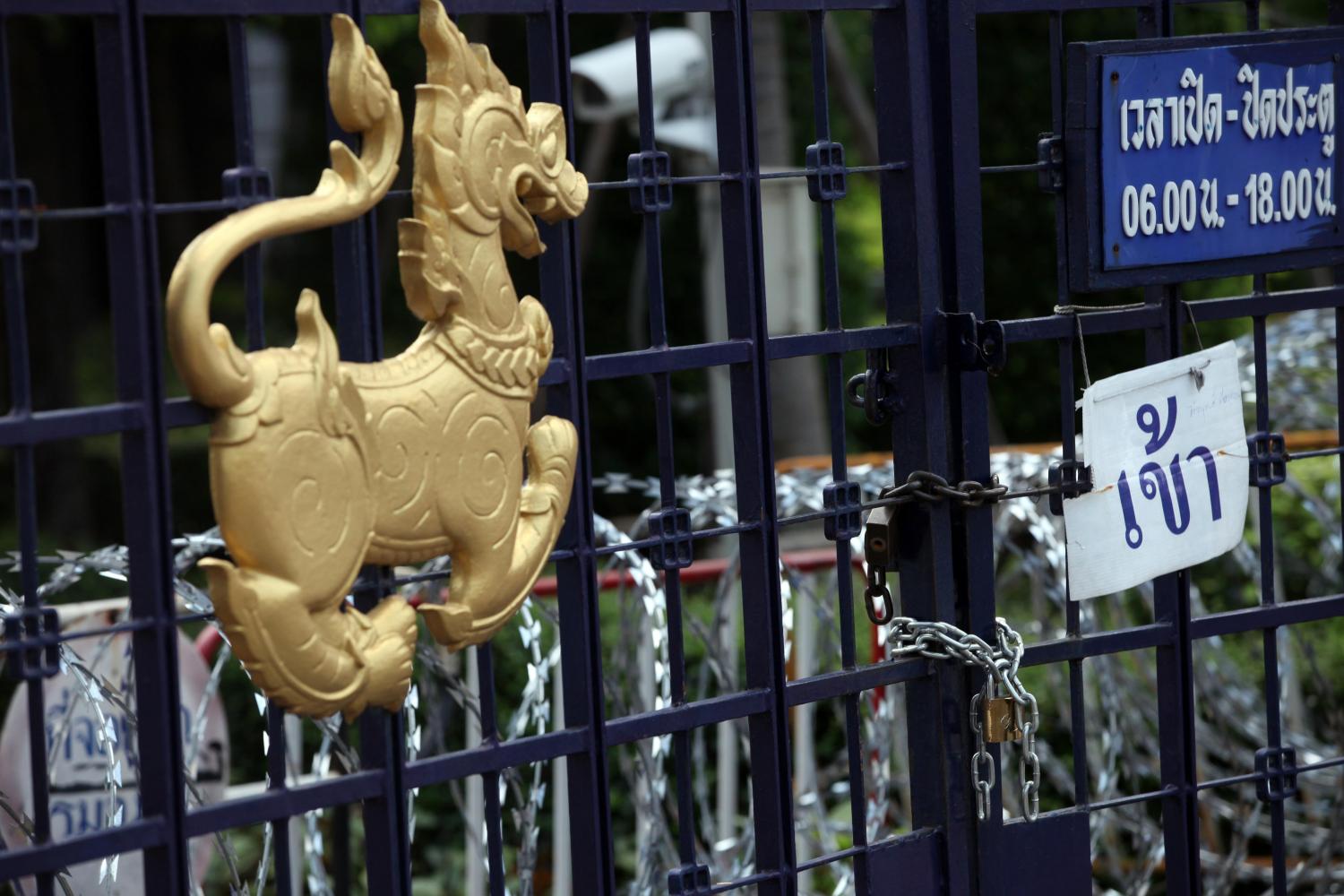
Planting the seeds of development
Oped, Peerasit Kamnuansilpa, Published on 03/02/2021
» Economic development in Thailand has not just been a responsibility of the central government, but its exclusive domain. Thus, the management inventiveness and fiscal autonomy of local governments for this function are often shackled by the rules, regulations and orders from the bureaucrats within the central government agencies or by those at the provincial level.