



Showing 1 - 10 of 12
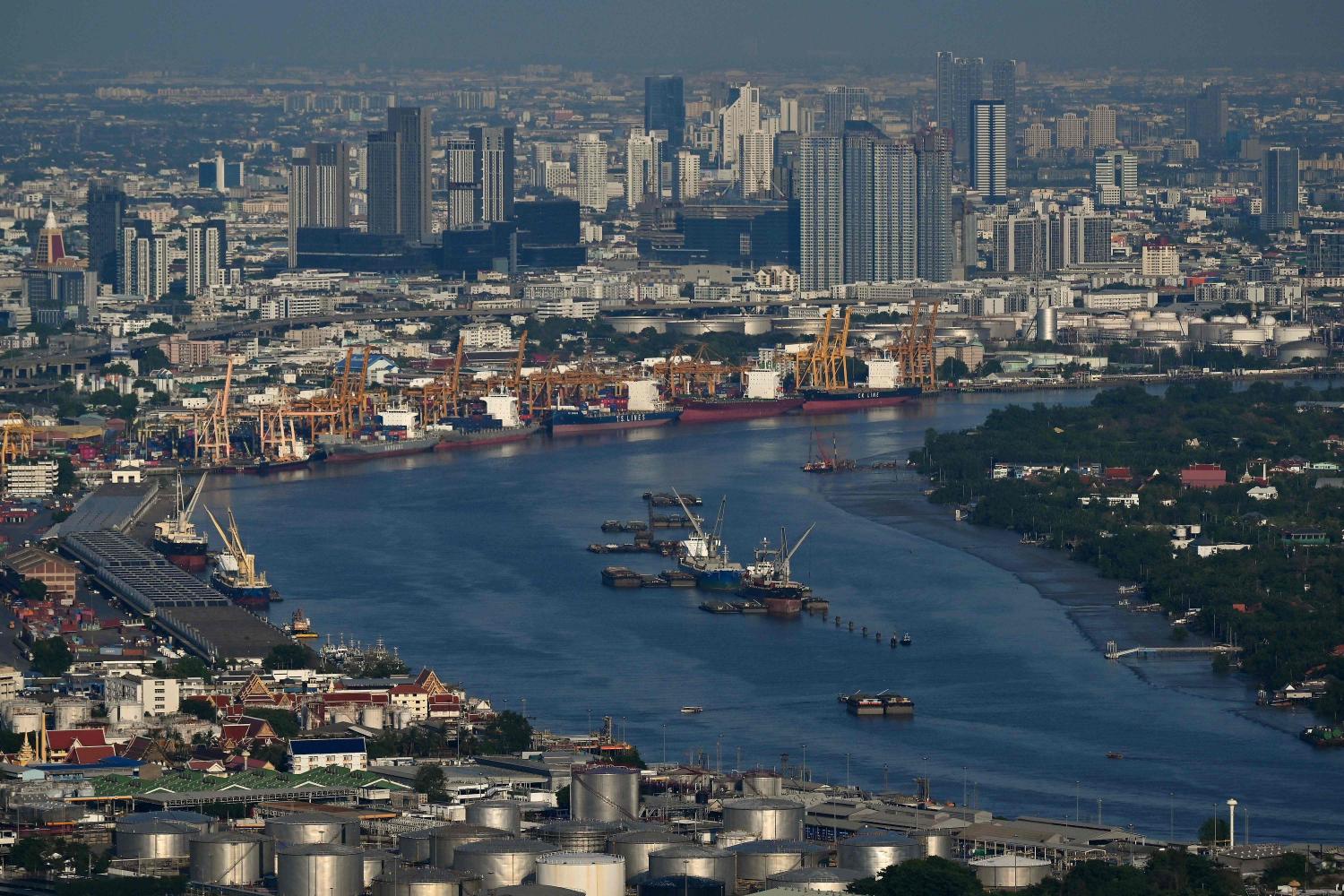
The effects of unfinished momentum
News, Peerasit Kamnuansilpa, Published on 08/11/2025
» Why do some nations surge confidently into the future while others advance only in half-steps, not declining but not accelerating either? In their influential book Why Nations Fail (first published in 2012), Daron Acemoglu -- now a Nobel Prize economist -- and James Robinson, both economists and political scientists at the University of Chicago, offer a helpful lens for understanding Thailand's development path without casting blame or provoking division.
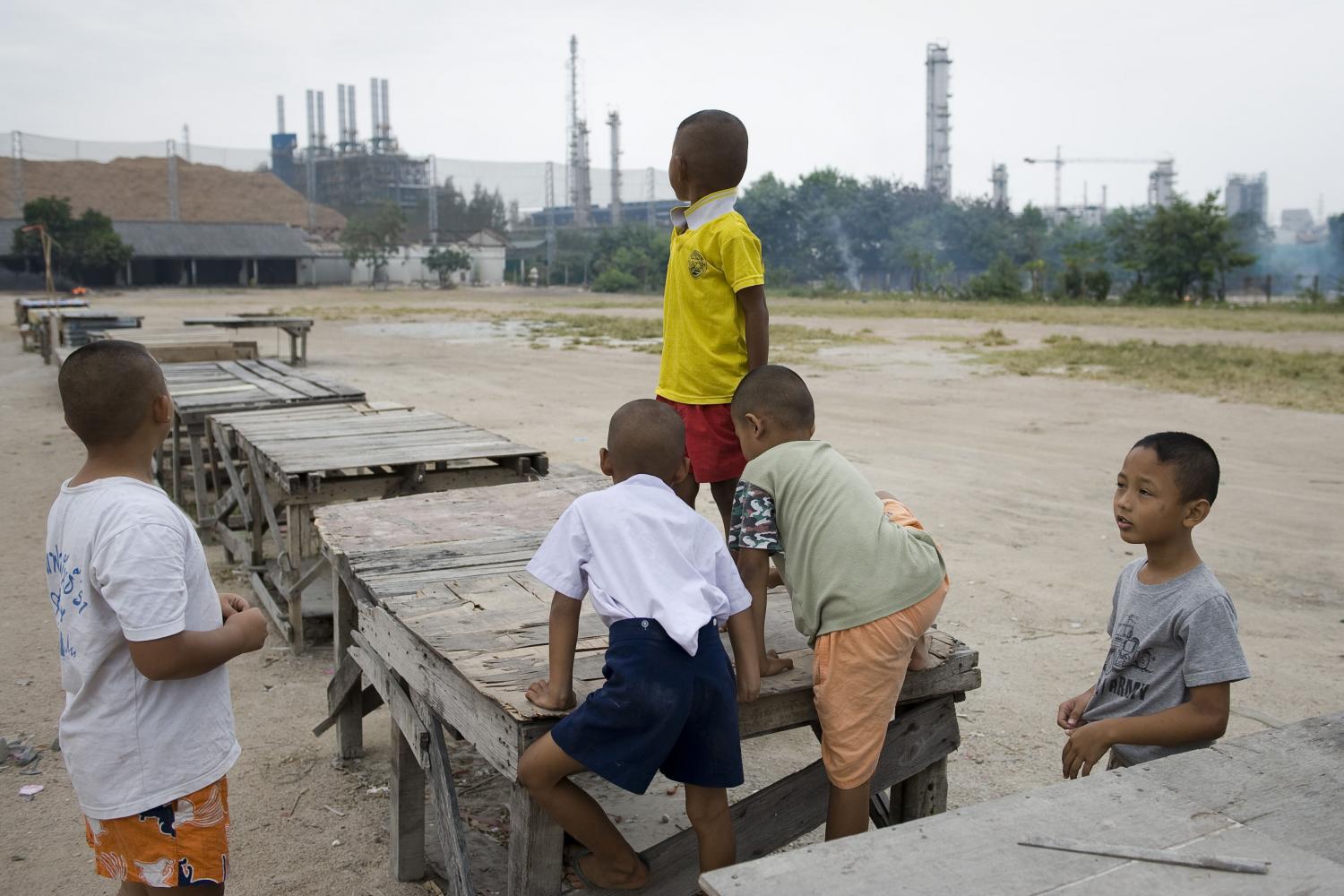
Thailand must redefine FDI for future
News, Peerasit Kamnuansilpa, Published on 14/08/2025
» Thailand's economic future looks increasingly uncertain. Once a rising star among emerging markets, the country now faces persistent stagnation. A key reason lies in how we have treated foreign direct investment (FDI) -- not as a strategic lever for national economic development but as a short-term fix driven by rent-seeking behaviour, bureaucratic collusion, and a failure to safeguard the nation's long-term economic interests and its goals for equitable development.

Rethinking what it means to be human
News, Peerasit Kamnuansilpa, Published on 05/07/2025
» In the decades ahead, Thailand will not collapse in a blaze of war, disease, or climate catastrophe. Rather, it will quietly wither from within. The twin forces of demographic decline and digital automation are converging with astonishing speed, and yet our political and moral imaginations remain unprepared.

Rethinking leadership in Thailand
News, Peerasit Kamnuansilpa, Published on 14/06/2025
» Thailand stands at a development crossroads. On the surface, the nation has invested heavily in education, innovation, and technical training. Each year, it produces a new wave of high-achieving graduates, particularly in the fields of science and technology. Yet, the country remained mired in a persistent middle-income trap. The question is not whether Thailand has talent, but whether it has the institutional culture and civic direction to channel that talent into meaningful national progress.

The roadway to enabling governance
Oped, Peerasit Kamnuansilpa, Published on 30/04/2025
» On May 11, communities across Thailand will vote in 2,469 municipal elections. Despite these polls being routine, they are a pivotal test of the country's commitment to moral leadership and enabling governance at the grassroots level.

Drug crisis deepens our economic woes
Oped, Peerasit Kamnuansilpa, Published on 11/12/2024
» Thailand faces a dual crisis that threatens the foundation of its future economic development: declining fertility rates, leading to a shrinking population and a simultaneous surge in drug addiction rates.

Thailand's development model splutters
Oped, Peerasit Kamnuansilpa, Published on 16/03/2023
» Location-based economic development (LED) strategies, defined as government efforts to improve a particular area's economic and social conditions, were implemented in economically advanced countries long before they were in Thailand.

Less local control a threat to Thai democracy
Oped, Peerasit Kamnuansilpa, Published on 19/11/2021
» After an almost seven-year suspension, Thailand held its first local elections for chief executive officers (CEO) and council members of provincial administrative organisations (PAO) on Dec 20, 2020, followed by the election of mayors and city council members on March 28 of this year.

Where did we go wrong in the battle against Covid?
Oped, Peerasit Kamnuansilpa, Published on 04/08/2021
» In January, a mere seven months ago, I and two of faculty members at the College of Local Administration, Khon Kaen University, co-authored a paper titled, "Locally-Driven Action in Pandemic Control: A Case of Khon Kaen Province". This article presented the results of a study that examined the local action taken in Covid-19 control and prevention measures in Khon Kaen. At that time, Thailand was among the leading nations in the world in Covid control.

The path to poverty in Thailand
Oped, Peerasit Kamnuansilpa, Published on 20/01/2021
» Thailand has had an interesting journey to its current ranking of sixth in the world, and first in Asia, in income inequality, as cited by the World Population Review. The country has historically been a patronage society, where the upper echelons of society are expected to look after those who are underprivileged.