



Showing 1 - 10 of 11
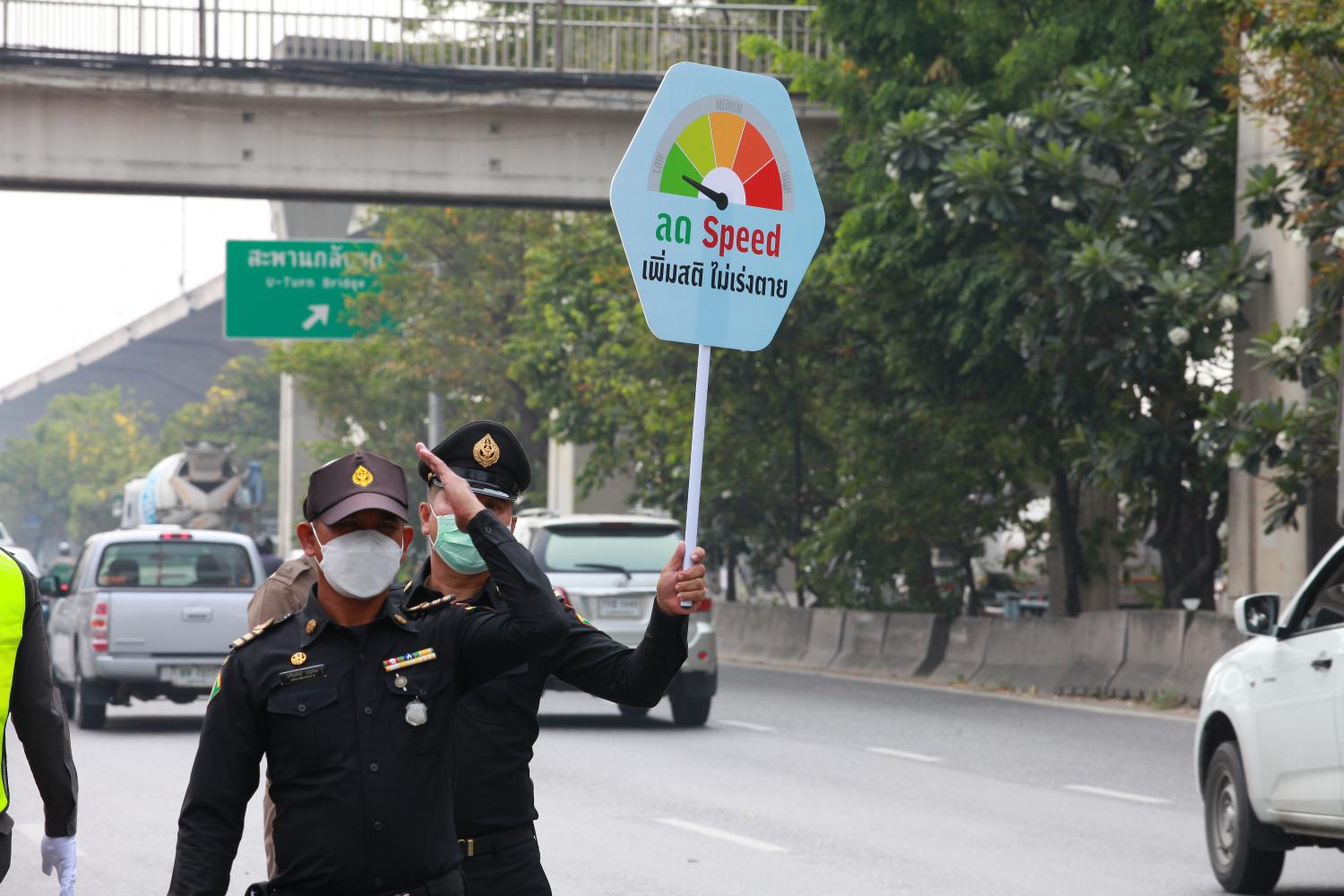
We don't need 'Seven Dangerous Days'
Oped, Peerasit Kamnuansilpa, Published on 27/02/2026
» Every Thai driver recognises the moment. The light turns green. Naturally, you can move; yet in Thai-style traffic, your instincts tell you to be hesitant. Despite the traffic light, a reckless motorcycle may still cross. A pickup may not stop. Drivers behind start honking as they wait to pass through the intersection. For a brief second, drivers just cannot afford to be certain about how others will behave.
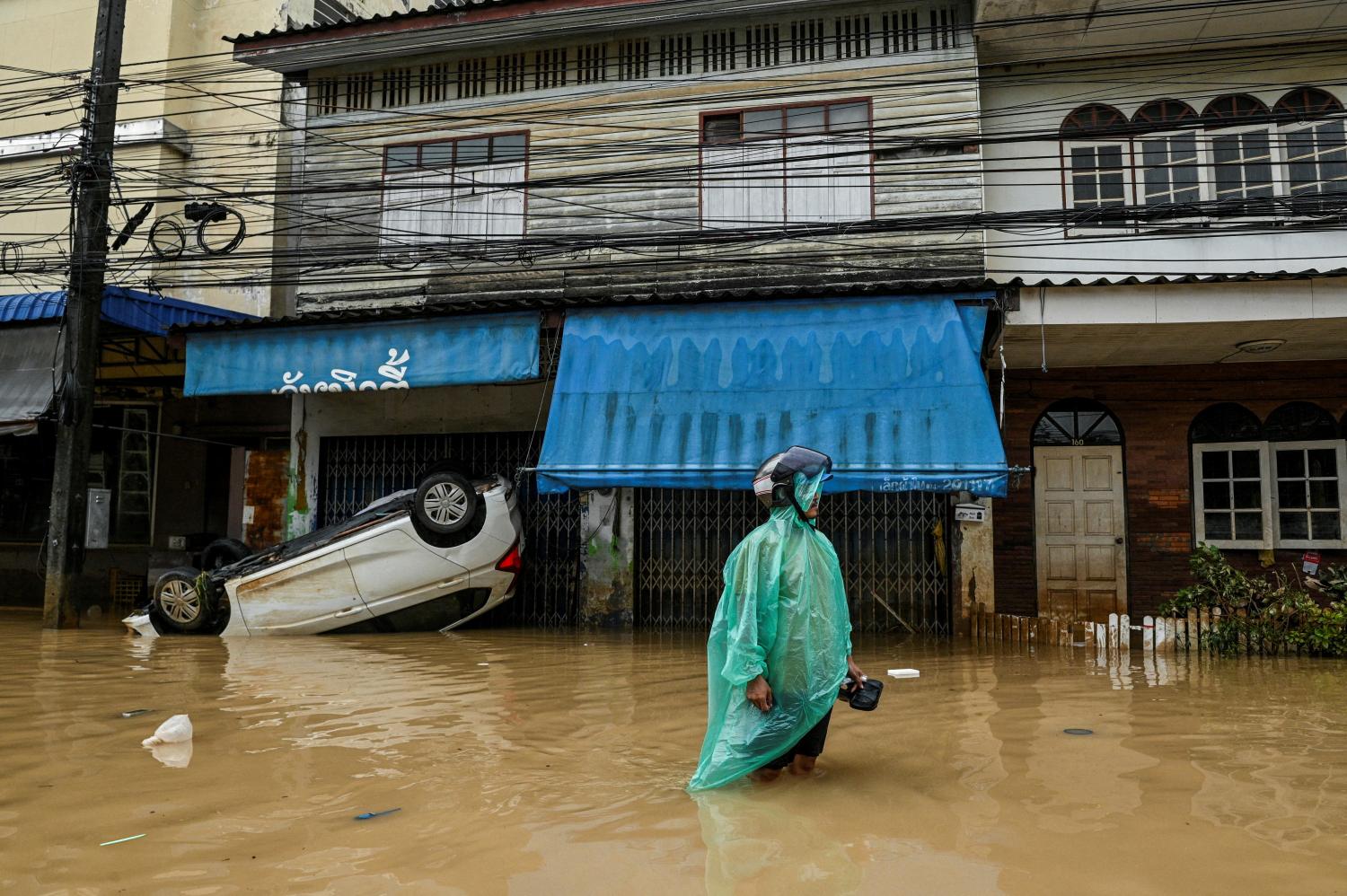
Rethinking local flood management
News, Peerasit Kamnuansilpa, Published on 12/12/2025
» As global temperatures rise, extreme rainfall and severe flooding are happening around the world. The science is clear; with every 1 degree Celsius increase, the atmosphere will hold 7% more water vapour. This may explain why storms are more intense as the world warms.
Thailand must redefine FDI for future
News, Peerasit Kamnuansilpa, Published on 14/08/2025
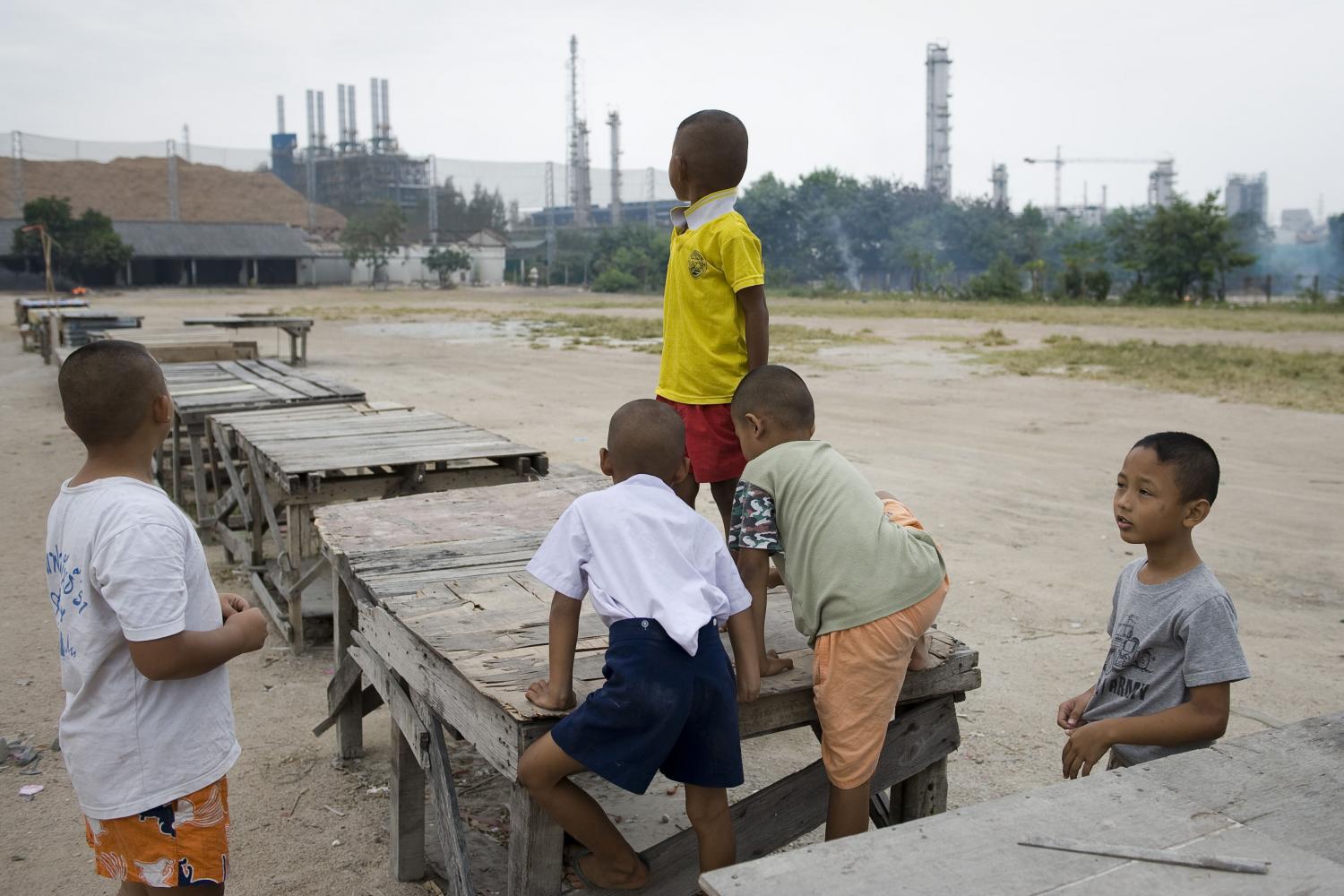
» Thailand's economic future looks increasingly uncertain. Once a rising star among emerging markets, the country now faces persistent stagnation. A key reason lies in how we have treated foreign direct investment (FDI) -- not as a strategic lever for national economic development but as a short-term fix driven by rent-seeking behaviour, bureaucratic collusion, and a failure to safeguard the nation's long-term economic interests and its goals for equitable development.

Thailand still has chance to shine
Oped, Peerasit Kamnuansilpa, Published on 31/07/2025
» Thailand's economy is losing momentum. Growth rates have steadily declined, from 7.2% in 2012 to just 1.9% in 2023. Without a new vision for development, the country faces the real possibility of becoming stuck in permanent stagnation. The absence of bold leadership and structural reform has left Thailand vulnerable, while its regional peers -- Singapore, China, and South Korea -- surge ahead. These countries have demonstrated that visionary and compassionate leadership, combined with political reform and good governance, can transform the economic fortunes of an entire nation.

Rethinking what it means to be human
News, Peerasit Kamnuansilpa, Published on 05/07/2025
» In the decades ahead, Thailand will not collapse in a blaze of war, disease, or climate catastrophe. Rather, it will quietly wither from within. The twin forces of demographic decline and digital automation are converging with astonishing speed, and yet our political and moral imaginations remain unprepared.

Lessons and hopes from May 11 poll
Oped, Peerasit Kamnuansilpa, Published on 22/05/2025
» The May 11 municipal elections across Thailand, although extensive in scope, offered little to celebrate in terms of democratic progress. Rather than signalling a political shift or new energy in local governance, the results underscored a deeply familiar pattern: vote buying remains the dominant strategy in Thai politics.

The roadway to enabling governance
Oped, Peerasit Kamnuansilpa, Published on 30/04/2025
» On May 11, communities across Thailand will vote in 2,469 municipal elections. Despite these polls being routine, they are a pivotal test of the country's commitment to moral leadership and enabling governance at the grassroots level.
Leading by serving, not ruling
News, Peerasit Kamnuansilpa, Published on 24/05/2021
» About two weeks ago, through a Facebook group, more than half a million Thais expressed a desire to leave Thailand to settle down in countries such as the United States, Canada, the United Kingdom, Germany, Sweden, Norway, Australia and New Zealand, among others.
Can Thailand ever move forward?
Oped, Peerasit Kamnuansilpa, Published on 28/04/2021
» In 2013, the People's Democratic Reform Committee (PDRC) was formed, with members branding themselves as true patriots who maintained that the majority of those who were in the opposition came to power through vote-buying. They pushed for heavier legal punishments and removing the statute of limitations in cases involving corrupt politicians. They organised political rallies, obstructing many polling stations. The leaders were arrested and tried. The court saw this as a disruption of public services, which they saw as tantamount to terrorism and insurrection. On Feb 24, 2021 they were sentenced to imprisonment but released on bail.

The path to poverty in Thailand
Oped, Peerasit Kamnuansilpa, Published on 20/01/2021
» Thailand has had an interesting journey to its current ranking of sixth in the world, and first in Asia, in income inequality, as cited by the World Population Review. The country has historically been a patronage society, where the upper echelons of society are expected to look after those who are underprivileged.