



Showing 1 - 6 of 6
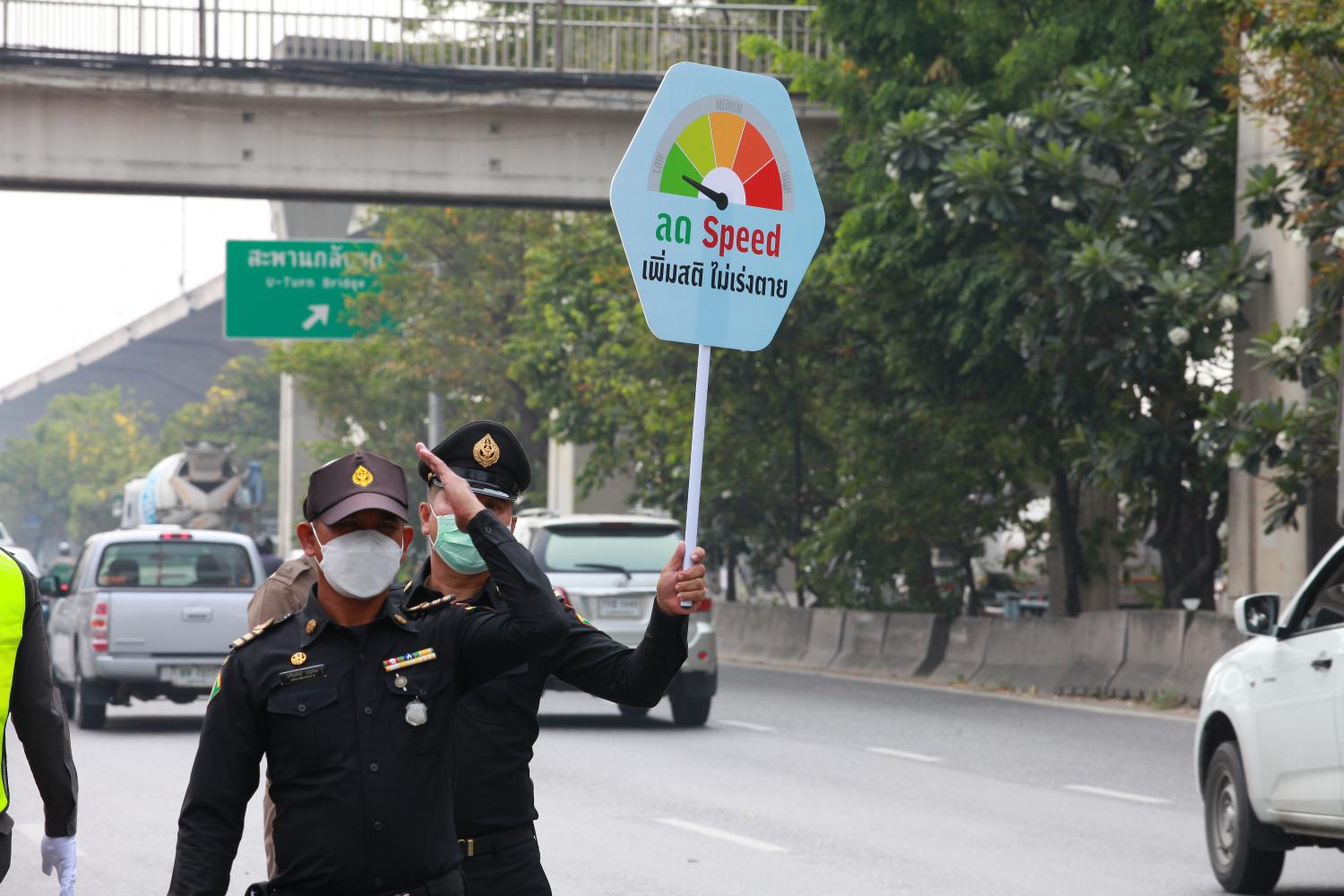
We don't need 'Seven Dangerous Days'
Oped, Peerasit Kamnuansilpa, Published on 27/02/2026
» Every Thai driver recognises the moment. The light turns green. Naturally, you can move; yet in Thai-style traffic, your instincts tell you to be hesitant. Despite the traffic light, a reckless motorcycle may still cross. A pickup may not stop. Drivers behind start honking as they wait to pass through the intersection. For a brief second, drivers just cannot afford to be certain about how others will behave.

From FDI to homegrown growth
Oped, Peerasit Kamnuansilpa, Published on 11/09/2025
» For decades, Thailand has leaned heavily on foreign direct investment (FDI) as the engine of growth. That strategy once delivered jobs and exports, but today it yields diminishing returns. Inflows are volatile, competitiveness is slipping, and dependence on external capital leaves the economy vulnerable to global shocks. Thailand must change course.
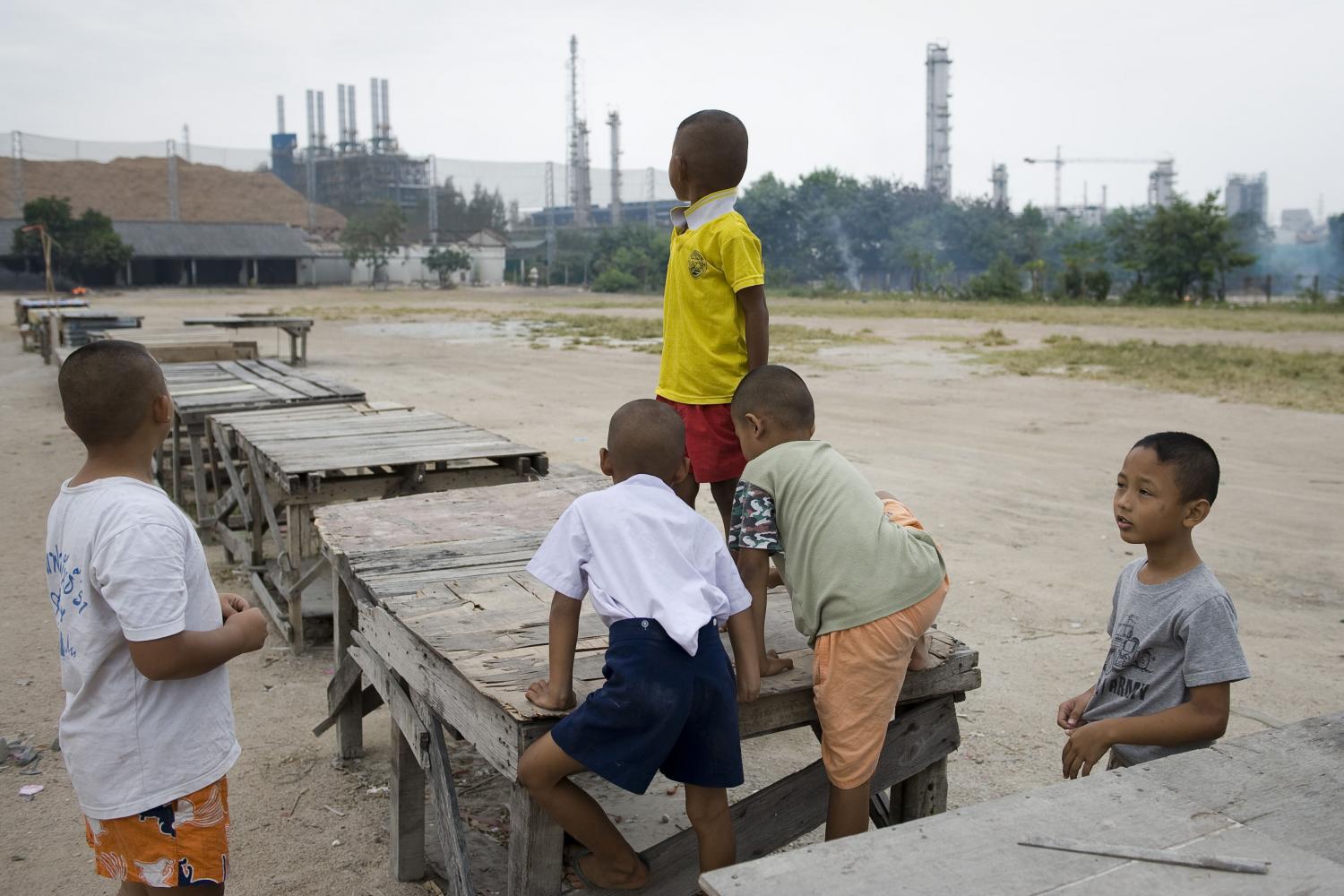
Thailand must redefine FDI for future
News, Peerasit Kamnuansilpa, Published on 14/08/2025
» Thailand's economic future looks increasingly uncertain. Once a rising star among emerging markets, the country now faces persistent stagnation. A key reason lies in how we have treated foreign direct investment (FDI) -- not as a strategic lever for national economic development but as a short-term fix driven by rent-seeking behaviour, bureaucratic collusion, and a failure to safeguard the nation's long-term economic interests and its goals for equitable development.

Drug crisis deepens our economic woes
Oped, Peerasit Kamnuansilpa, Published on 11/12/2024
» Thailand faces a dual crisis that threatens the foundation of its future economic development: declining fertility rates, leading to a shrinking population and a simultaneous surge in drug addiction rates.

Thailand's development model splutters
Oped, Peerasit Kamnuansilpa, Published on 16/03/2023
» Location-based economic development (LED) strategies, defined as government efforts to improve a particular area's economic and social conditions, were implemented in economically advanced countries long before they were in Thailand.

The path to poverty in Thailand
Oped, Peerasit Kamnuansilpa, Published on 20/01/2021
» Thailand has had an interesting journey to its current ranking of sixth in the world, and first in Asia, in income inequality, as cited by the World Population Review. The country has historically been a patronage society, where the upper echelons of society are expected to look after those who are underprivileged.