



Showing 1 - 5 of 5
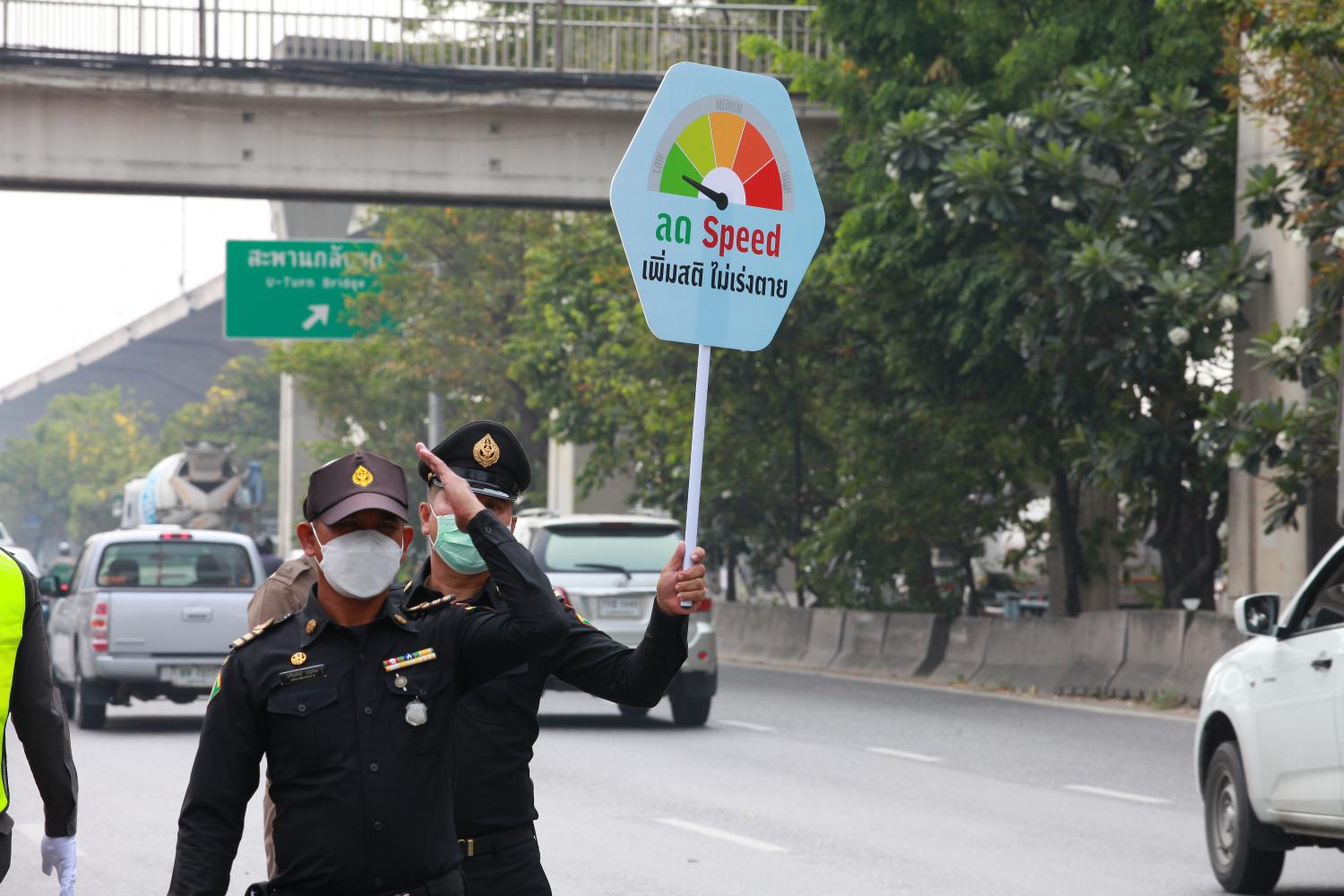
We don't need 'Seven Dangerous Days'
Oped, Peerasit Kamnuansilpa, Published on 27/02/2026
» Every Thai driver recognises the moment. The light turns green. Naturally, you can move; yet in Thai-style traffic, your instincts tell you to be hesitant. Despite the traffic light, a reckless motorcycle may still cross. A pickup may not stop. Drivers behind start honking as they wait to pass through the intersection. For a brief second, drivers just cannot afford to be certain about how others will behave.
The effects of unfinished momentum
News, Peerasit Kamnuansilpa, Published on 08/11/2025
» Why do some nations surge confidently into the future while others advance only in half-steps, not declining but not accelerating either? In their influential book Why Nations Fail (first published in 2012), Daron Acemoglu -- now a Nobel Prize economist -- and James Robinson, both economists and political scientists at the University of Chicago, offer a helpful lens for understanding Thailand's development path without casting blame or provoking division.

Thailand still has chance to shine
Oped, Peerasit Kamnuansilpa, Published on 31/07/2025
» Thailand's economy is losing momentum. Growth rates have steadily declined, from 7.2% in 2012 to just 1.9% in 2023. Without a new vision for development, the country faces the real possibility of becoming stuck in permanent stagnation. The absence of bold leadership and structural reform has left Thailand vulnerable, while its regional peers -- Singapore, China, and South Korea -- surge ahead. These countries have demonstrated that visionary and compassionate leadership, combined with political reform and good governance, can transform the economic fortunes of an entire nation.

Rescuing Thailand from the middle-income trap
Oped, Peerasit Kamnuansilpa, Published on 07/07/2022
» Eleven years ago this month, Thailand made a laudable achievement by moving from the category of a lower middle-income country to an upper-middle-income country.

The quest for equity in Thai university rankings
News, Peerasit Kamnuansilpa, Published on 15/10/2018
» In his recent article, "Rankings not be-all, end-all for Thai unis", Mike Hayes astutely addressed the problems in the international university ranking systems vis-à-vis Thai universities, and there is little point in rehashing the faults he correctly brought to light. In his final paragraph, however, he offered an alternative ranking system that would incorporate official rankings but seems to be far more applicable to Thailand by incorporating Thai universities' contribution to local communities, national development and a democratic society.