



Showing 1 - 6 of 6
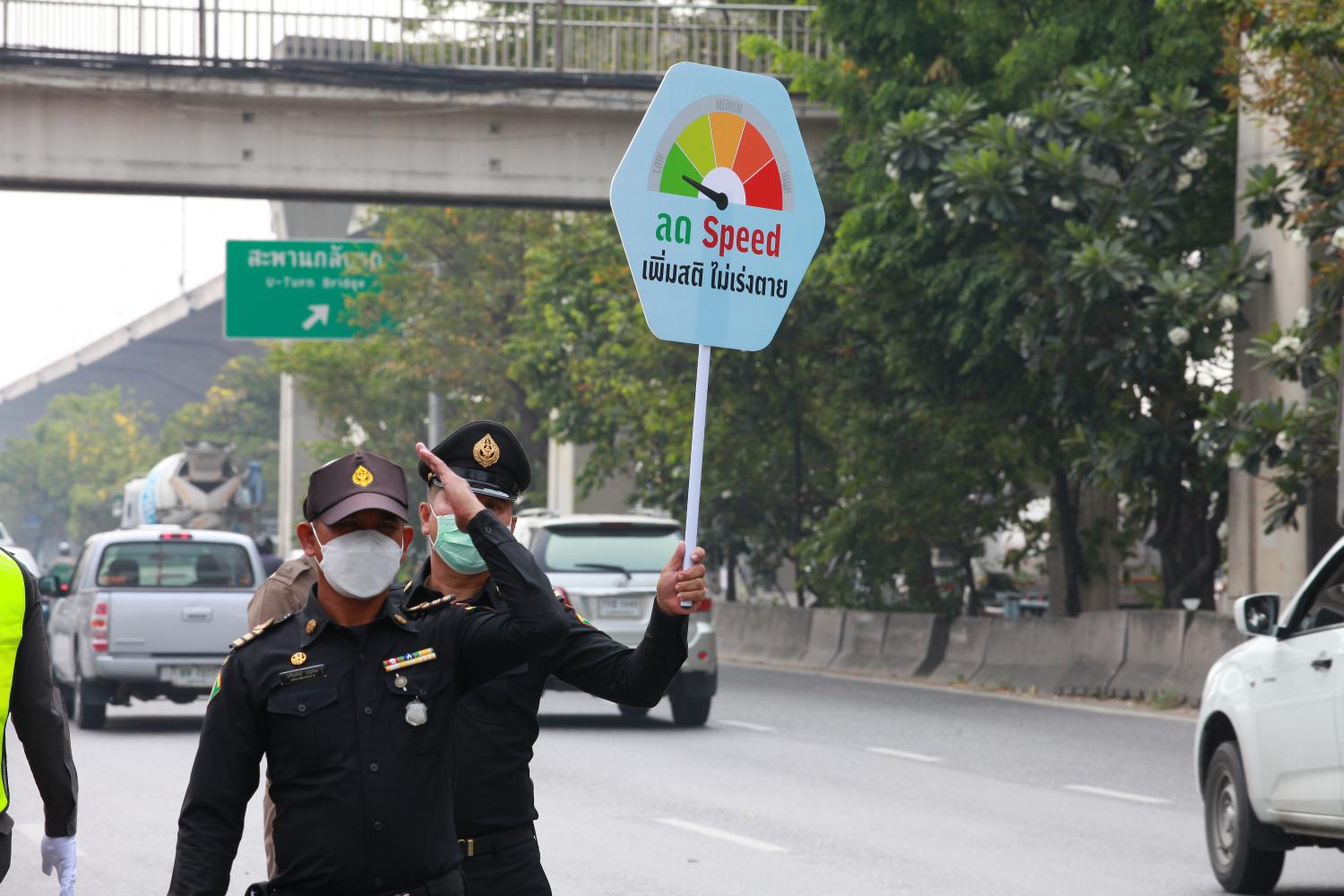
We don't need 'Seven Dangerous Days'
Oped, Peerasit Kamnuansilpa, Published on 27/02/2026
» Every Thai driver recognises the moment. The light turns green. Naturally, you can move; yet in Thai-style traffic, your instincts tell you to be hesitant. Despite the traffic light, a reckless motorcycle may still cross. A pickup may not stop. Drivers behind start honking as they wait to pass through the intersection. For a brief second, drivers just cannot afford to be certain about how others will behave.
The effects of unfinished momentum
News, Peerasit Kamnuansilpa, Published on 08/11/2025
» Why do some nations surge confidently into the future while others advance only in half-steps, not declining but not accelerating either? In their influential book Why Nations Fail (first published in 2012), Daron Acemoglu -- now a Nobel Prize economist -- and James Robinson, both economists and political scientists at the University of Chicago, offer a helpful lens for understanding Thailand's development path without casting blame or provoking division.

Thailand still has chance to shine
Oped, Peerasit Kamnuansilpa, Published on 31/07/2025
» Thailand's economy is losing momentum. Growth rates have steadily declined, from 7.2% in 2012 to just 1.9% in 2023. Without a new vision for development, the country faces the real possibility of becoming stuck in permanent stagnation. The absence of bold leadership and structural reform has left Thailand vulnerable, while its regional peers -- Singapore, China, and South Korea -- surge ahead. These countries have demonstrated that visionary and compassionate leadership, combined with political reform and good governance, can transform the economic fortunes of an entire nation.

Rethinking what it means to be human
News, Peerasit Kamnuansilpa, Published on 05/07/2025
» In the decades ahead, Thailand will not collapse in a blaze of war, disease, or climate catastrophe. Rather, it will quietly wither from within. The twin forces of demographic decline and digital automation are converging with astonishing speed, and yet our political and moral imaginations remain unprepared.

Planting the seeds of development
Oped, Peerasit Kamnuansilpa, Published on 03/02/2021
» Economic development in Thailand has not just been a responsibility of the central government, but its exclusive domain. Thus, the management inventiveness and fiscal autonomy of local governments for this function are often shackled by the rules, regulations and orders from the bureaucrats within the central government agencies or by those at the provincial level.

The path to poverty in Thailand
Oped, Peerasit Kamnuansilpa, Published on 20/01/2021
» Thailand has had an interesting journey to its current ranking of sixth in the world, and first in Asia, in income inequality, as cited by the World Population Review. The country has historically been a patronage society, where the upper echelons of society are expected to look after those who are underprivileged.