



Showing 1 - 5 of 5
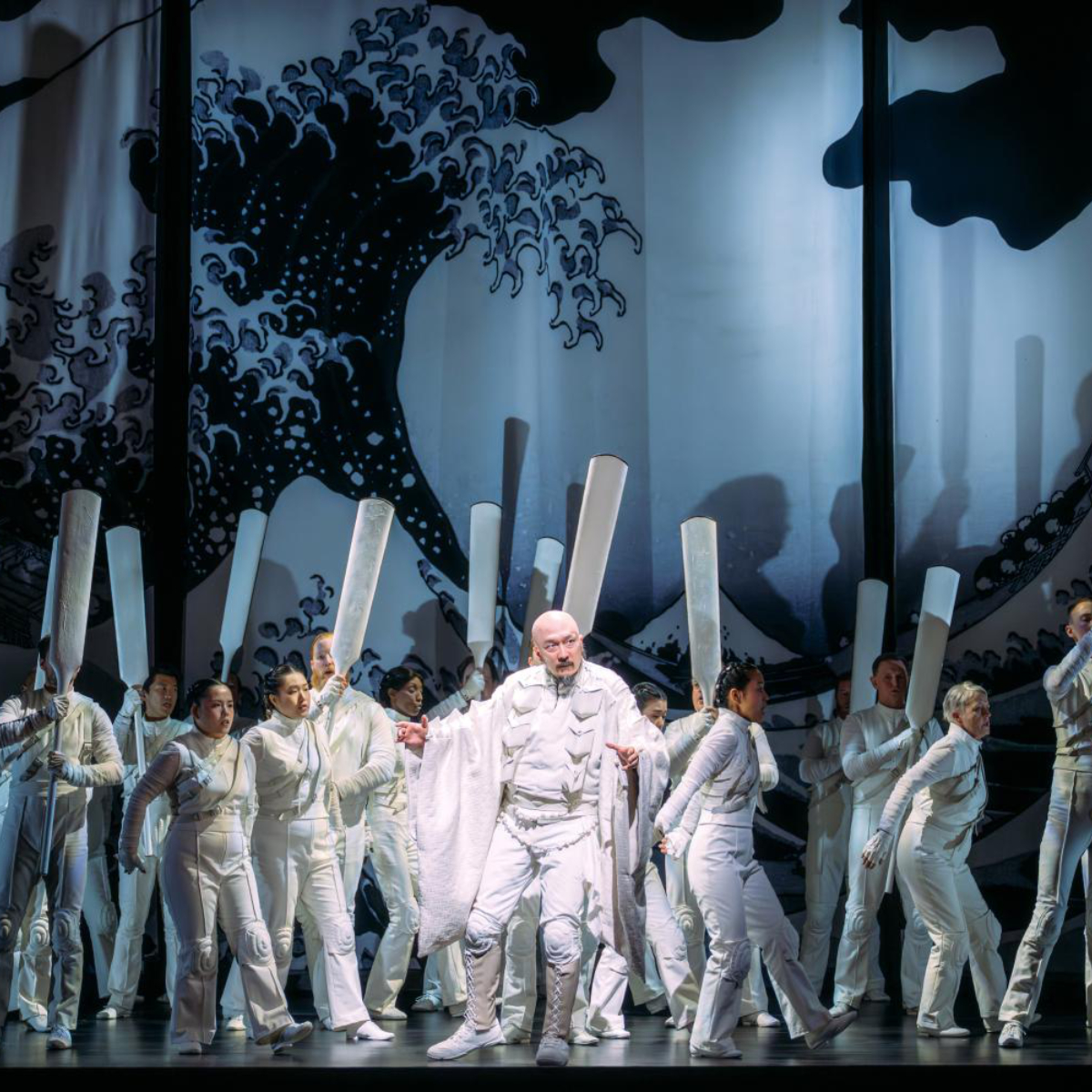
From Edo to Edinburgh
Life, Sawarin Suwichakornpong, Published on 14/03/2026
» The opera based on the long and industrious life of Japanese print master Katsushika Hokusai had its world premiere in Glasgow and travelled to Edinburgh for two consecutive nights last month. I braved the strong winds of the Edinburgh evening to watch The Great Wave at the Festival Theatre on its last day.

Drowning in love
Life, Sawarin Suwichakornpong, Published on 01/10/2021
» Not very often are the subjects of identity, race, racism told through a candid story of love. Open Water, a highly acclaimed novel by 27-year-old British-Ghanaian author Caleb Azumah Nelson is one of the few books that attempts to do just this, and with great effect.

Can a righteous resistance ever cross the line?
Life, Sawarin Suwichakornpong, Published on 22/01/2021
» Sabotage, in French and in English, indicates the act of deliberately destroying or damaging property. It's an apparatus that aims at weakening an enemy or oppressor through means such as subversion and obstruction. It is a tool that, we are told, has been adopted by French workers as a substitute for strikes, but sabotage doesn't limit itself only to workplaces. Its literature survey connotes that it occurs within a variety of contexts -- in wars, political and social campaigns, or socio-economic programmes that effect someone's livelihood. In all cases, however, the intent of sabotage is analogous -- to use extreme civil disobedience to inflict damage upon goods or properties in order to serve a particular purpose or higher goal. The end justifies the means, according to the saboteurs.

A deal to save the planet
Life, Sawarin Suwichakornpong, Published on 04/09/2020
» The rising temperature of Earth's climate is wreaking havoc on our ecosystems by generating extreme changes in the weather, unresolved seasonal changes, and ecological damage. While there is ample evidence to suggest climate change took place even in prehistoric times, scientists have observed that the rate and degree of change since the mid-20th century has been accelerating, concluding that human activity has been the major driving force underlying this drastic transformation.
A shady underworld
Life, Sawarin Suwichakornpong, Published on 03/05/2019
» We, The Survivors, the fourth novel by the Malaysian-British Tash Aw, is a compelling account of the life of a working-class lad named Lee Hock Lye, or known among friends as Ah Hock. It's a vivid tale of an imaginative young man with ideas of setting foot in a better place than a ramshackle village where livelihood depends on fishing and harvesting cockles from the polluted mudflats. Ah Hock isn't an angry young man, nor is he an idler who accepts whatever comes his way as fate. He tries hard with life, changing numbers of jobs to make ends meet, hoping one day he'd move to settle down with a house and family in Kuala Lumpur or Singapore or even farther afield. The world that he inhabits, however, is a microcosm of the much larger equilibrium, where society permits a select few to climb the ladder, and the majority -- the ilk of Ah Hock -- remains stuck in poverty, leading a life that's going nowhere.