



Showing 1 - 9 of 9
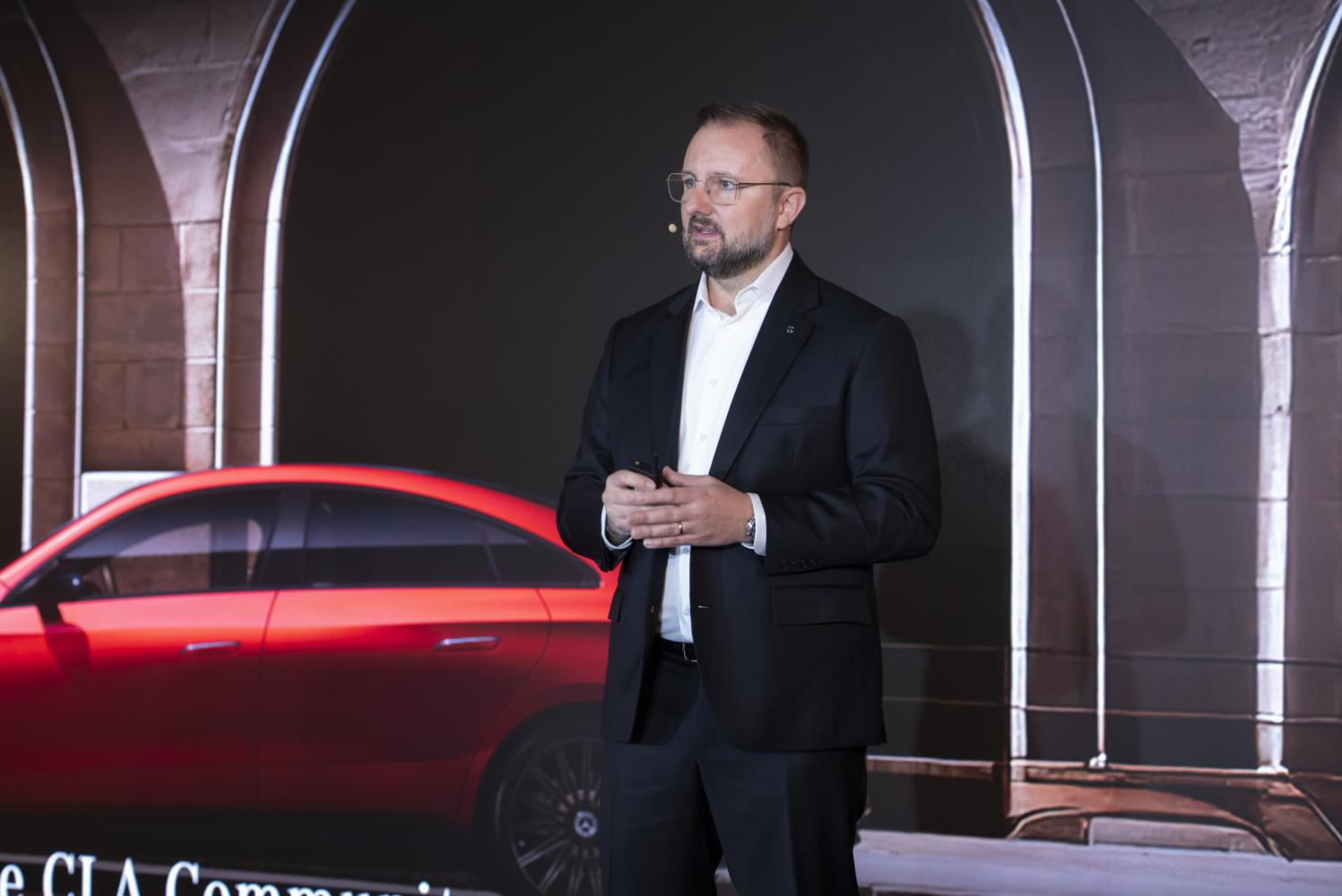
Mercedes-Benz accelerates shift to EVs
Business, Lamonphet Apisitniran, Published on 04/02/2026
» Mercedes-Benz (Thailand) expects the domestic electric vehicle (EV) market to gain momentum under the government's new car tax policy set to take effect in 2026, aimed at promoting cleaner energy.
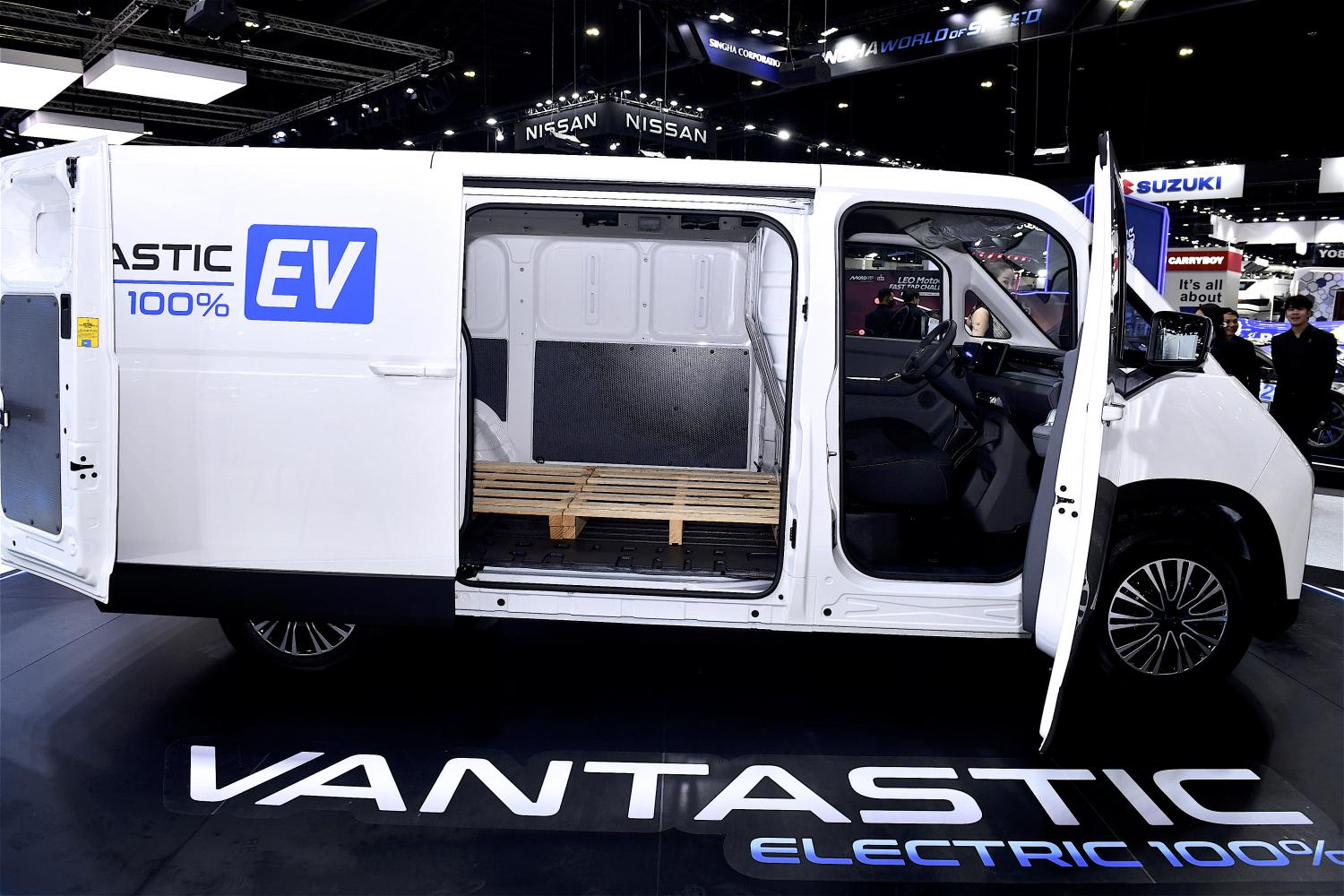
Nex Point promotes green fleet options to firms
Business, Lamonphet Apisitniran, Published on 03/12/2025
» Commercial electric vehicle maker Nex Point Plc, a subsidiary of renewable energy giant Energy Absolute (EA) Plc, is accelerating its push into Thailand's fleet market with plans to sell 2,500 EVs next year, underscoring the company's ambition to position itself as a key player in the region's commercial EV sector.

Amata VN preps new industrial complex
Business, Lamonphet Apisitniran, Published on 22/05/2025
» SET-listed Amata VN, an industrial estate developer in Vietnam, is working with the Vietnamese government to develop a new industrial complex to draw more foreign investment to the country.

Investors get go ahead for B41bn projects
Business, Lamonphet Apisitniran, Published on 12/10/2023
» Six investment projects worth 41 billion baht, including electric vehicle (EV) manufacturing and waste-to-energy power plant development, were granted approval by the Thai Board of Investment (BoI).

Mercedes-Benz project looks to luxury EV niche
Business, Lamonphet Apisitniran, Published on 22/10/2022
» Mercedes-Benz Thailand is in talks with the Board of Investment (BoI) on its new electric vehicle (EV) project in Thailand, with a focus on drivers in the luxury car market.
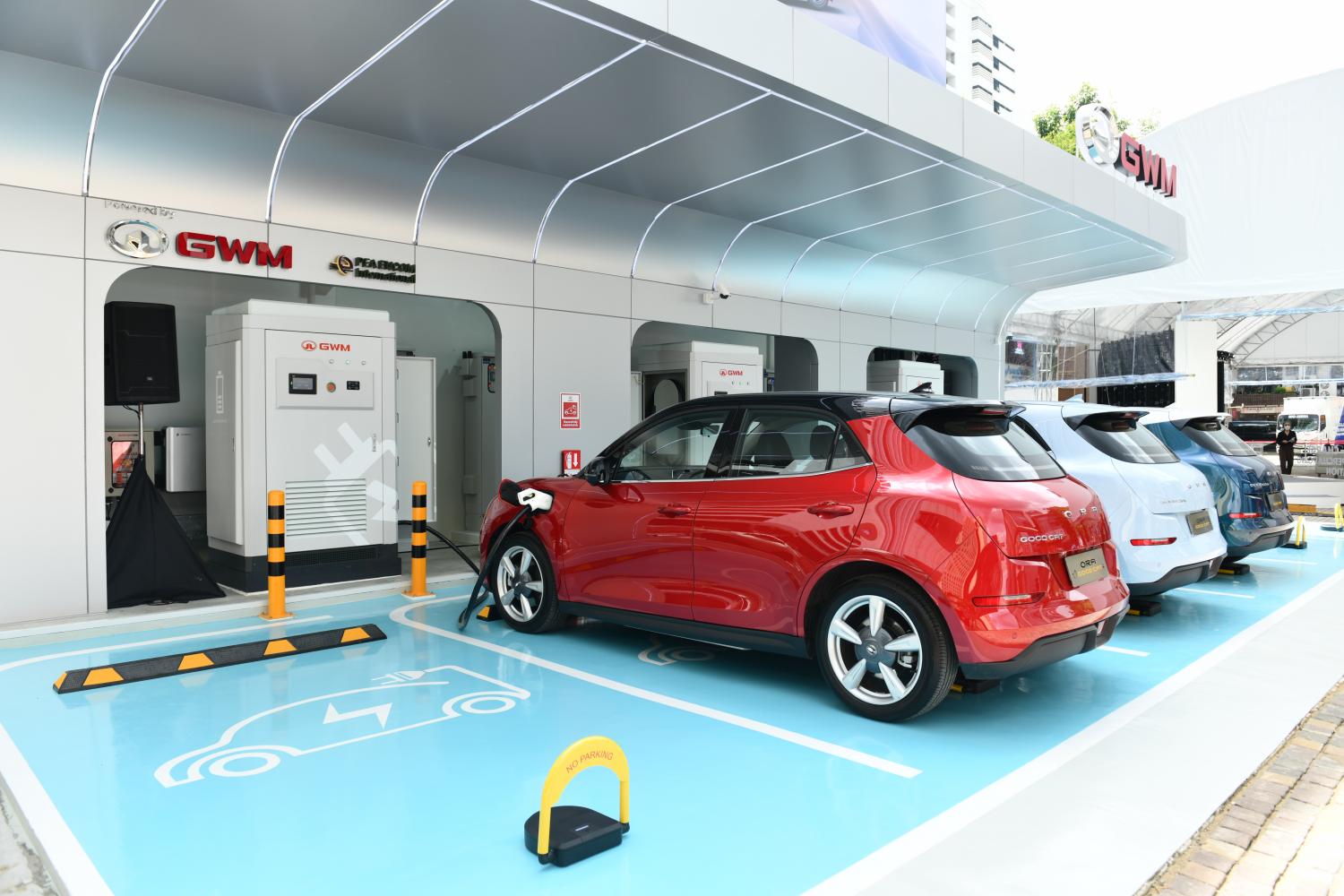
Cooperation key to building EV ecosystem
Business, Lamonphet Apisitniran, Published on 16/11/2021
» More private-state cooperation is needed to build an adequate electric vehicle (EV) ecosystem in Thailand, following the recent launch of EV fast-charging facilities at Siam Square in Bangkok.
G Steel offers new debt plan
Business, Lamonphet Apisitniran, Published on 08/10/2019
» SET-listed G Steel Plc plans to exercise a debt-to-equity conversion scheme for its debt of 9.28 billion baht to eight creditors to reduce the company's massive liabilities worth 18.83 billion baht.
A riveting drama and a new beginning
Business, Lamonphet Apisitniran, Published on 03/08/2019
» The Horungruang family was a big name in Thai steel before losing its business empire in the financial crisis of 1997. A 200-billion-baht fortune shrank suddenly after the government of the time dropped the currency peg and introduced a floating exchange rate.

Ministry bans steel plant expansion
Business, Lamonphet Apisitniran, Published on 31/01/2019
» Steel plant expansion and construction of steel bar plants will be banned for the next five years in Thailand to reduce the domestic surplus, according to an Industry Ministry draft regulation the cabinet approved on Tuesday.