



Showing 1 - 10 of 11
Trump shows China how to handle Taiwan
News, Brahma Chellaney, Published on 17/03/2026
» Since returning to office last year, US President Donald Trump has ordered military strikes from the Caribbean and eastern Pacific to Africa and the Middle East, targeting alleged drug-smuggling boats and suspected terrorist groups. He has attacked Venezuela and kidnapped its leader. And he has joined Israel in a large-scale assault on Iran. Meanwhile, he is tightening a noose around Cuba, in the hope that the resulting humanitarian crisis will open the way for a "friendly takeover" of the island by the United States.
Appeasing China won't help counter Trump
Oped, Brahma Chellaney, Published on 02/09/2025
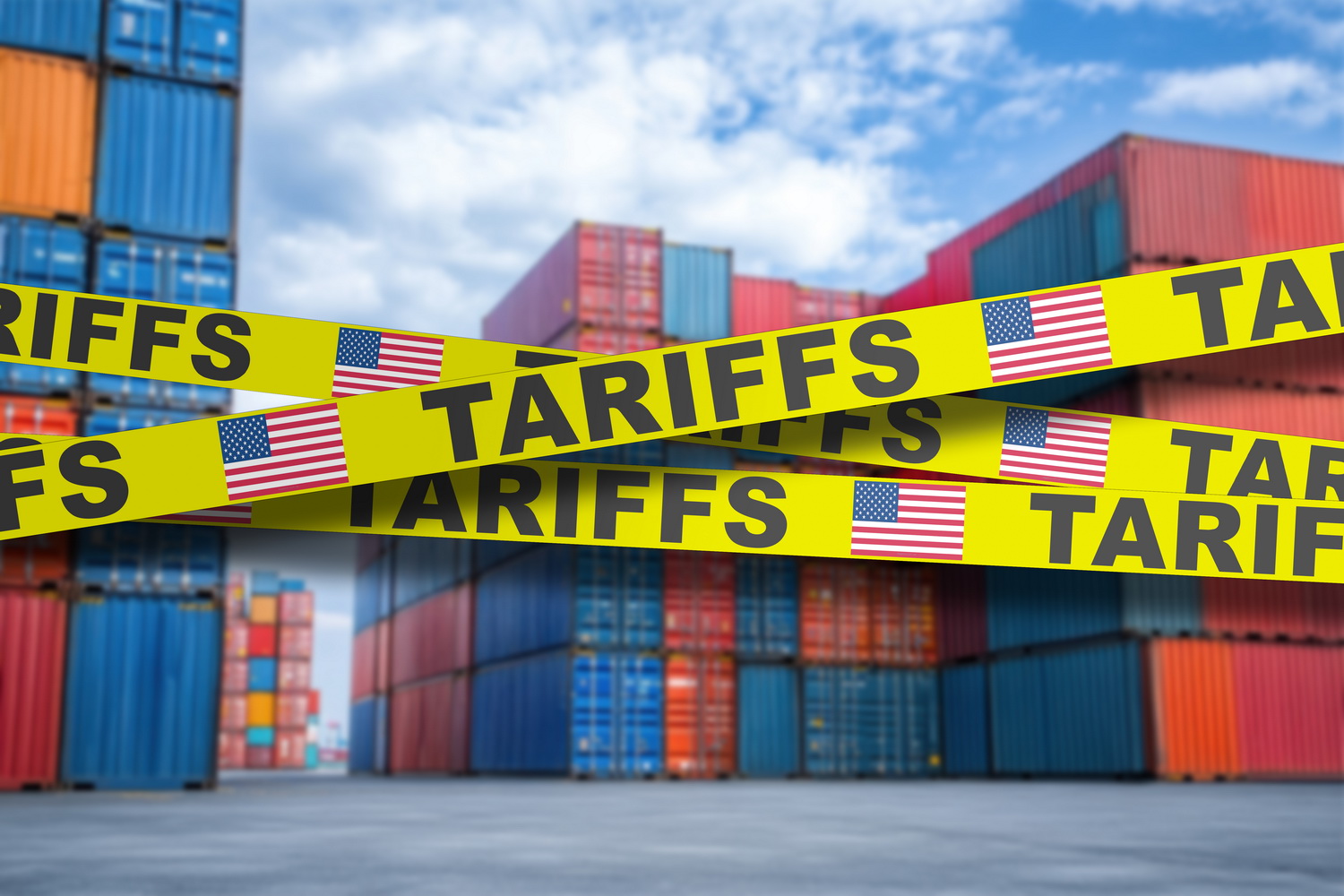
» In 2020, China's stealth encroachments into India's Himalayan borderlands triggered deadly clashes and a prolonged military standoff that nearly erupted into war. Five years on, the border crisis remains largely unresolved, yet Indian Prime Minister Narendra Modi is headed to China in an apparent effort to ease friction -- just when India is facing punishing tariffs imposed by US President Donald Trump.

Testing the Trump-Modi bromance
Oped, Brahma Chellaney, Published on 15/02/2025
» Last time Donald Trump was president, ties between the United States and India flourished. But the bilateral relationship began to fray during Joe Biden's presidency, owing not least to divisions over the Ukraine war. Will Indian Prime Minister Narendra Modi's latest meeting with Mr Trump at the White House mark the first step toward restoring this critical relationship?

Brics could be catalyst for global revamp
Oped, Brahma Chellaney, Published on 22/10/2024
» A new age of international relations is dawning. With the West accounting for a declining share of global GDP, and the world becoming increasingly multipolar, countries are jostling to establish their positions in the emerging order. This includes both the emerging economies -- represented by the recently expanded Brics grouping -- that seek a leading role in writing the rules of the new order, and the smaller countries attempting to cultivate relationships that can safeguard their interests.
The West's stealthy assault on democracy
Brahma Chellaney, Published on 12/09/2024
» With great-power rivalries again at the centre of international relations, democratic governments have been relying on secret statecraft to shape or sway regimes in weaker states, including by supporting or aiding regime change. Far from advancing democracy globally, these efforts are exacerbating its vulnerabilities at a time when authoritarianism is on the rise.

The deepening political turmoil in South Asia
Oped, Brahma Chellaney, Published on 15/08/2024
» Violent student-led, Islamist-backed protests in Bangladesh have toppled Prime Minister Sheikh Hasina's government, and mob attacks targeting those viewed as supporters of her secular Awami League party -- in particular, the country's dwindling Hindu minority -- are proliferating. At a time when neighbouring Myanmar is engulfed in violence and the Pakistan-Afghanistan belt remains fertile ground for cross-border terrorism, political upheaval in Bangladesh, two years after the overthrow of Sri Lanka's government, is the last thing India, the regional power, needs.

The conflicts of the new world order
Oped, Brahma Chellaney, Published on 14/11/2023
» The crises, conflicts and wars that are currently raging highlight just how profoundly the geopolitical landscape has changed in recent years, as great-power rivalries have again become central to international relations. With the wars in Gaza and Ukraine exacerbating global divisions, an even more profound geopolitical reconfiguration -- including a shift to a new world order -- may well be in the works.
The dramatic fall of the House of Rajapaksa
News, Brahma Chellaney, Published on 14/07/2022
» For much of nearly two decades, the four Rajapaksa brothers and their sons have run Sri Lanka like a family business -- and a disorderly one, at that. With their grand construction projects and spendthrift ways, they saddled Sri Lanka with unsustainable debts, driving the country into its worst economic crisis since independence. Now, the dynasty has fallen.

A declining America is focusing on the wrong enemy
Oped, Brahma Chellaney, Published on 17/02/2022
» Much of the democratic world would like the United States to remain the pre-eminent global power. But with the US apparently committed to strategic overreach, that outcome risks becoming unlikely.
'Belt and Road' is buckling under scrutiny
News, Brahma Chellaney, Published on 01/10/2018
» On a recent official visit to China, Malaysian Prime Minister Mahathir Mohamad criticised his host country's use of major infrastructure projects -- and difficult-to-repay loans -- to assert its influence over smaller countries. While Dr Mahathir's warnings in Beijing against "a new version of colonialism" stood out for their boldness, they reflect a broader pushback against China's mercantilist trade, investment, and lending practices.