



Showing 1 - 10 of 12
How Iran is able to beat the US in its war
News, Brahma Chellaney, Published on 06/04/2026
» In a rambling address to the American people on Wednesday, US President Donald Trump claimed that the US war against Iran has been a success, vowing to "finish the job … very fast". It was a statement in obvious conflict with the facts. In reality, Iran has upended the model on which US interventionism has long relied.
Trump shows China how to handle Taiwan
News, Brahma Chellaney, Published on 17/03/2026
» Since returning to office last year, US President Donald Trump has ordered military strikes from the Caribbean and eastern Pacific to Africa and the Middle East, targeting alleged drug-smuggling boats and suspected terrorist groups. He has attacked Venezuela and kidnapped its leader. And he has joined Israel in a large-scale assault on Iran. Meanwhile, he is tightening a noose around Cuba, in the hope that the resulting humanitarian crisis will open the way for a "friendly takeover" of the island by the United States.
Appeasing China won't help counter Trump
Oped, Brahma Chellaney, Published on 02/09/2025
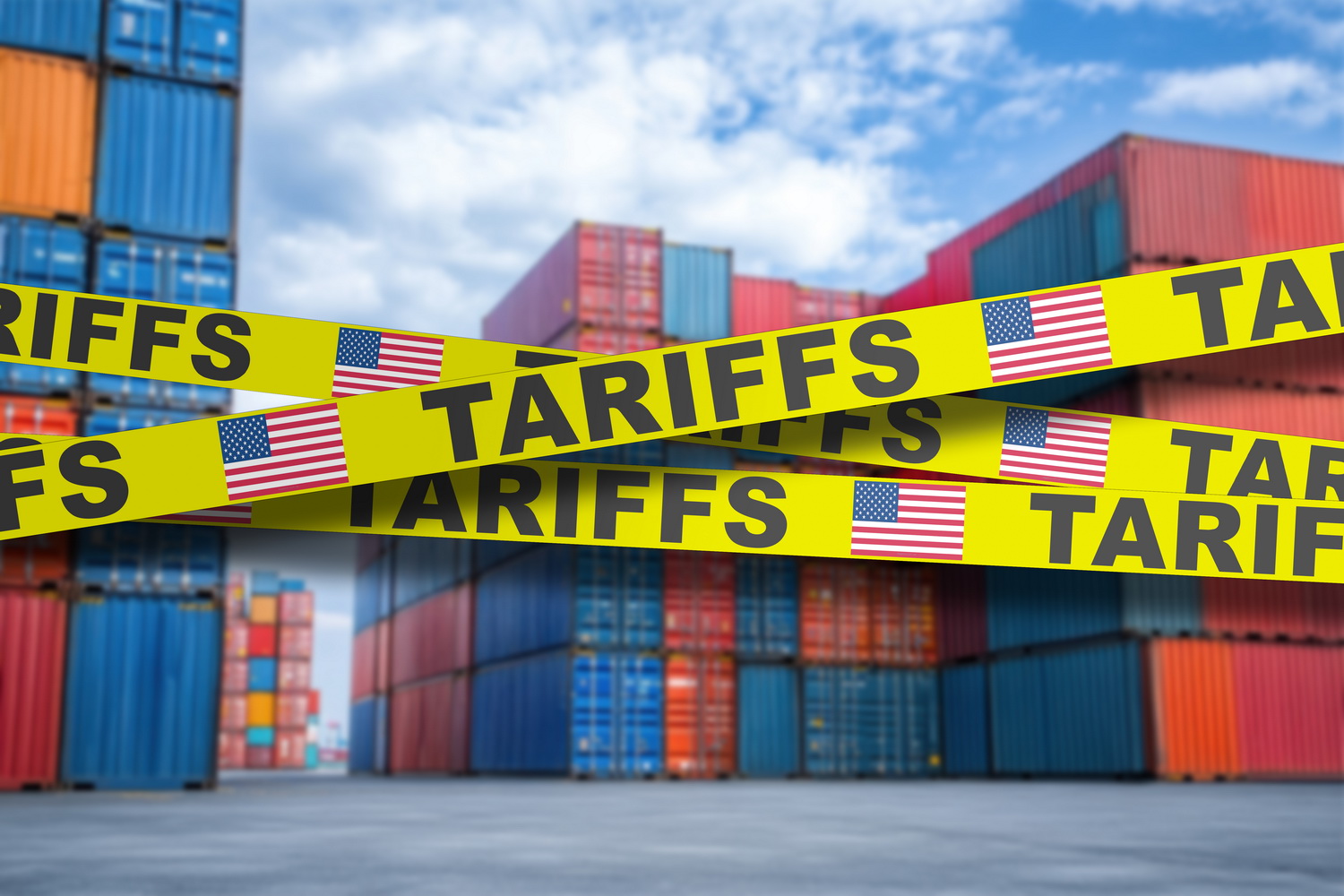
» In 2020, China's stealth encroachments into India's Himalayan borderlands triggered deadly clashes and a prolonged military standoff that nearly erupted into war. Five years on, the border crisis remains largely unresolved, yet Indian Prime Minister Narendra Modi is headed to China in an apparent effort to ease friction -- just when India is facing punishing tariffs imposed by US President Donald Trump.

Tackling the global divide over the Ukraine war
News, Brahma Chellaney, Published on 17/03/2025
» At a time of rising geopolitical tensions and deepening global fragmentation, the Ukraine war has proved particularly divisive. From the start, the battle lines were clearly drawn: Russia on one side, Ukraine and the West on the other, and much of the Global South hoping only for the conflict to end. Now, however, alignments are shifting. Whether this will advance efforts to resolve the conflict and strengthen global stability remains to be seen.

America's Myanmar policy is simply all wrong
Oped, Brahma Chellaney, Published on 15/07/2023
» A recent joint statement by US President Joe Biden and Indian Prime Minister Narendra Modi "expressed deep concern about the deteriorating situation in Myanmar" and called for a constructive dialogue to aid the country's transition toward an inclusive federal democratic system. Unfortunately, the US-led sanctions policy has undercut this goal and made a bad situation worse.
Europe's Russia sanctions are a shot in the foot
News, Brahma Chellaney, Published on 19/12/2022
» It seems obvious that sanctions -- an increasingly important tool of Western foreign policy -- should inflict significant pain on the target without exacting unsustainably high costs from the country imposing them. But the European Union's sanctions on Russia -- intended to punish the country for its brutal war of aggression against Ukraine -- do not meet this condition.
US-India ties too important to be neglected
Oped, Brahma Chellaney, Published on 18/10/2022
» The upcoming joint military exercise between the US-India known as War Practice, in a high-altitude area less than 100 kilometres from India's border with China, highlights the partnership's growing strategic importance. India holds more annual military drills with the US than any other country, as the two powers seek to improve their forces' interoperability.
The dramatic fall of the House of Rajapaksa
News, Brahma Chellaney, Published on 14/07/2022
» For much of nearly two decades, the four Rajapaksa brothers and their sons have run Sri Lanka like a family business -- and a disorderly one, at that. With their grand construction projects and spendthrift ways, they saddled Sri Lanka with unsustainable debts, driving the country into its worst economic crisis since independence. Now, the dynasty has fallen.

Beijing's South China Sea grab
News, Brahma Chellaney, Published on 18/12/2018
» It has been just five years since China initiated its major land reclamation in the South China Sea, and the country has already shifted the territorial status quo in its favour -- without facing any international pushback. The anniversary of the start of its island building underscores the transformed geopolitics in a corridor central to the international maritime order.
'Belt and Road' is buckling under scrutiny
News, Brahma Chellaney, Published on 01/10/2018
» On a recent official visit to China, Malaysian Prime Minister Mahathir Mohamad criticised his host country's use of major infrastructure projects -- and difficult-to-repay loans -- to assert its influence over smaller countries. While Dr Mahathir's warnings in Beijing against "a new version of colonialism" stood out for their boldness, they reflect a broader pushback against China's mercantilist trade, investment, and lending practices.