



Showing 1 - 10 of 20
Robots get smooth moves
Life, James Hein, Published on 25/03/2026
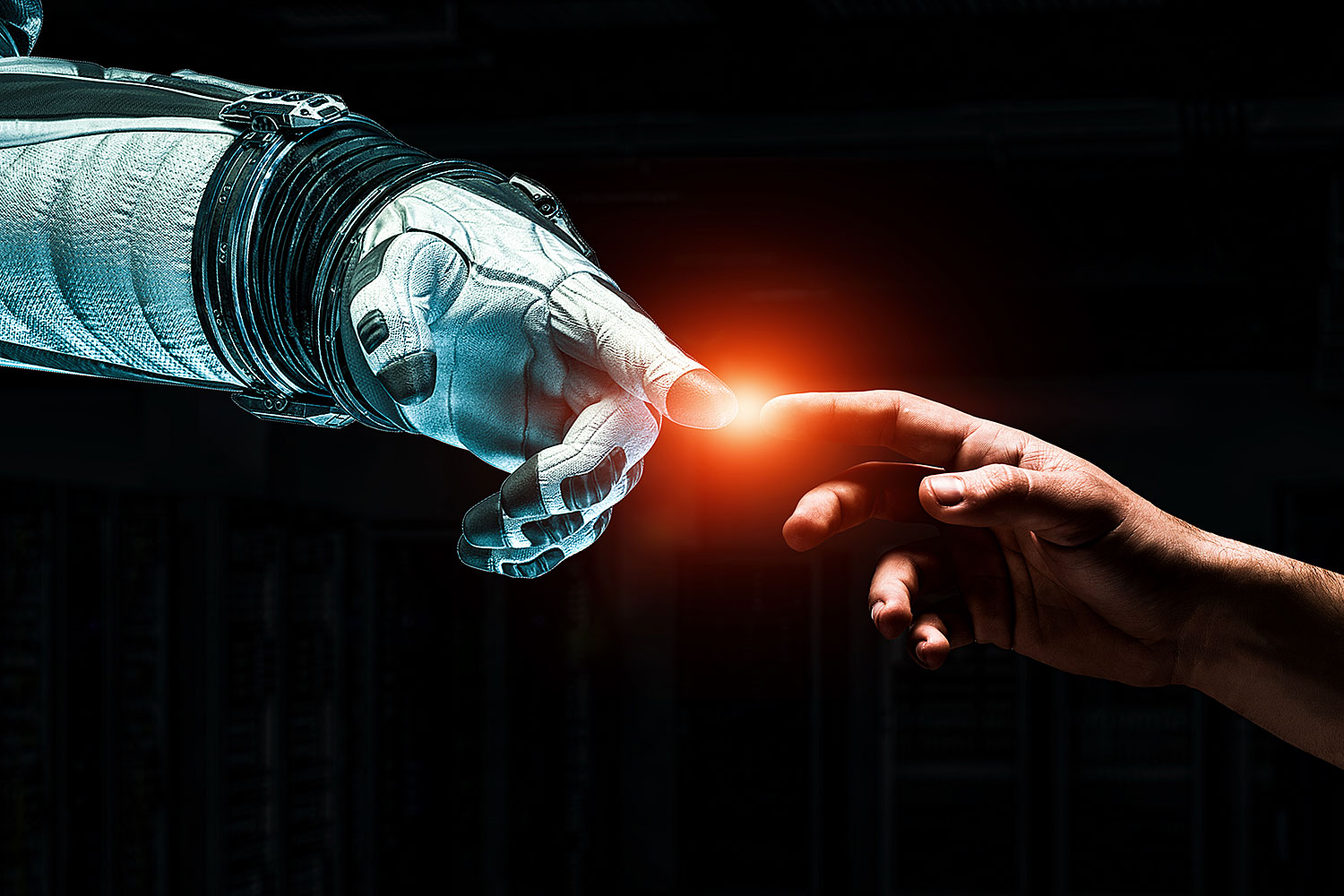
» The subject of the week is robots. The amount of news on these keeps growing and growing. South Korea is first up here with their KAIST Humanoid. In the field test, the robot was shown running across a soccer pitch, jumping, taking shots on goal, and even doing dance moves akin to the Michael Jackson moonwalk. Many robot demonstrations still look a bit stiff but these moves were quite smooth. The robot can run at about 12kph on flat ground with the next goal at 14kph. It can climb a ladder with 40cm steps and the knees can generate 320 Newton metres of peak torque so it can push heavier objects. The current model is based on the lower human half but the goal is for a full humanoid form that can work with people in industrial environments.

Microsoft put on the naughty step by Aussie regulator
Life, James Hein, Published on 05/11/2025
» Microsoft has been at it again. The Competition & Consumer Commission in Australia has started a legal process against the Redmond giant for apparently misleading users of the policies for its Microsoft 365 bundle. Microsoft advised users with a Personal and Family plan that "to maintain their subscription they must accept the integration of Copilot and pay higher prices for their plan, or, alternatively, cancel their subscription".
Sabine has the science you're after
Life, James Hein, Published on 08/10/2025
» Sabine Hossenfelder is one of the people I regularly watch on the YouTube platform. She is a physicist but also veers into other areas such as artificial intelligence and quantum computing. For her latest video -- In Which I Lose Faith In Quantum Computing -- she makes a number of interesting observations. In short, apart from some very specific applications, quantum computing, even if it is scalable from current technology, has limited application. It also has the potential of bringing down a number of current companies highly focused on this technology, or at least some of their divisions. Artificial intelligence takes up a lot of the space that quantum computing could do well in, but for the present at least, AI does it better. The next 10 years, or less, will be important to see how both of these directions develop, or not. If you are interested at all in physics, maths and occasionally quantum computing, then Sabine Hossenfelder provides some interesting perspectives.

Is your internet speed too slow?
Life, James Hein, Published on 09/04/2025
» How important is a good internet connection? This is one of those how long is a piece of string or what computer should I get questions. Back in the day, it was a huge jump from zero bits per second to a 2400 Baud modem. People and businesses were willing to pay a large sum to get connected because it opened up a new world of possibilities, ranging from not needing to go to the library as often and being able to sell and market products online. When and how often you paid for the next upgrade depended on your use case and the capabilities it provided. The next major jumps in speed were 4800, 9600 and 14400bps and everyone jumped to one of these as a next step. During this period, the mid 90s, the T1 at 1.544Mbps was the imaginary godlike speed we all dreamed about but didn't have money to afford. That speed provided real time video conference calls and was limited to government and large business concerns that typically involved a dedicated screening room. This was also when the concept of data compression started to gain popularity as you could send more with less bits.

Who checks the fact checkers?
Life, James Hein, Published on 30/08/2023
» The information landscape has changed a great deal over the past five years. Back in the 1990s, information exchange was mostly between academics and IT people. The majority of the information was accurate and typically scientific or technical in nature. The communication was polite and debates were just that, debates. It was an inclusive community, though in some cases you were required to stick to the topic at hand. Then came the social media platforms.

Microsoft stock booming on AI run
Life, James Hein, Published on 07/06/2023
» It's not a good time to be working for Microsoft, but it is a good time to be a shareholder or executive. Stock is up over 30%, net income is up and the CEO Satya Nadella got a nice 10% raise. Regular workers received no pay rise, or effectively a 5% pay cut due to inflation. Microsoft has rationalised it as pat and generic reasons like a "competitive environment" and the "global macroeconomic uncertainties". In reality, Microsoft is using the money to jump into the AI wave through a multibillion-dollar partnership with OpenAI.

When AI is not smart enough for the job
Life, James Hein, Published on 14/09/2022
» I was wondering what to write about this week and then I saw the Japanese Amazon story and how it relates to artificial intelligence. Labour unions in Japan have been a thing since World War II, but delivery drivers for Amazon Japan were not unionised, until recently.

Big Brother grows bigger
Life, James Hein, Published on 08/06/2022
» For some time now I have been having problems with USB and my hard drive letters. Over the course of a day or three, with the exception of C:, hard drives letters would vanish. I have C, W, X and Y. C is an SSD on the motherboard with the other three normal hard drives at 10, 10 and 8 TB. The other problem I had was the computer locking up as the system was scanning for a missing USB drive, even if I ejected them using the correct process. The exception was any Samsung phone that I tried to eject without success.

Don't get caught out on camera
Life, James Hein, Published on 21/07/2021
» - In the new Covid world, office workers are now regularly in meetings from home. Many of these meetings these days now also include a video feed. The first thing others in the call do when someone pops up, is to check the background and immediately zoom in, mentally or physically, on anything that seems out of place in the background. Last night's dishes, haphazardly discarded clothing and even a pot plant seemingly out of place will be the object of interest. Some use a green screen behind them and have an image placed on that by software.

The benefits and risks of neural interfaces
Life, James Hein, Published on 17/02/2021
» This week is dedicated to the brain-computer interface, or BCI. For some time now, sci-fi movies and TV series have presented the idea of a mind-to-computer interface that controls technology, retrieves information and displays it on virtual screens. Meanwhile, in the background, a number of companies have been working on this and the technology is close to realising some of the outcomes only seen in fiction so far.