



Showing 1 - 7 of 7
What to expect in the year ahead
Life, James Hein, Published on 31/12/2025
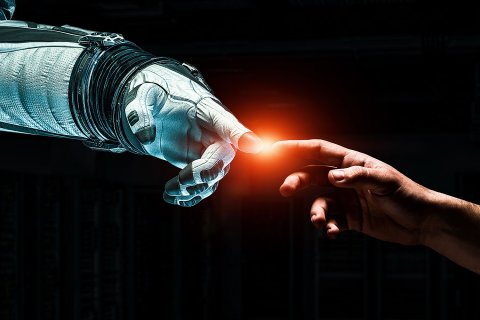
» The coming year will be full of artificial intelligence, robots and a Starlink communications experience that will have many moving from their current providers. Let's dig in with my predictions for 2026.

AI will overpromise and underdeliver
Life, James Hein, Published on 27/08/2025
» Let's start with a few brief comments on the current state of artificial intelligence. Specially targeted and trained AI models are improving. These are things like detecting something in an X-ray or hunting for potential chemical candidates for a compound to attack a specific condition. Generating pictures and videos is also improving rapidly, and by the end of the year the majority of people will not be able to tell the difference between the real thing and the AI fake. Large Language Models are still unpredictable and can give false or fake answers depending on the structure of the prompts, so be careful with the answer you get from these. The current corporate buy-in for AI is well beyond what it can deliver. This is driven by marketing, not the actual state of capabilities. My prediction is there will be a lot of out-of-pocket organisations of all types disappointed by results.
Will Tesla's camera-only autonomy prove its mettle?
Life, James Hein, Published on 02/07/2025
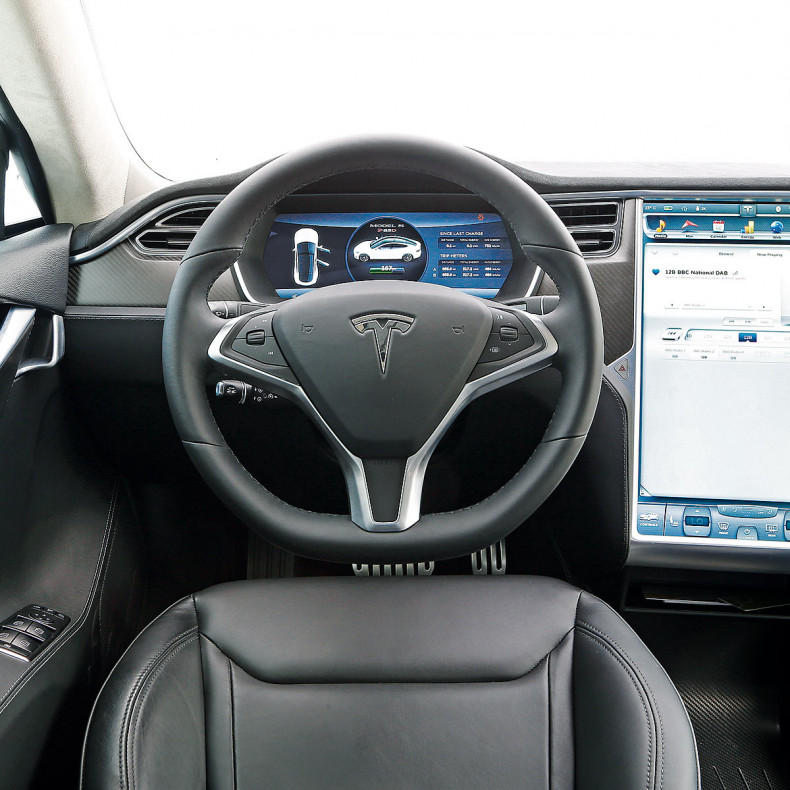
» I'm still not convinced that Tesla's camera-only approach will work well in all situations. According to a quick AI search, Elon doesn't like Lidar based on "cost, complexity, and philosophical disagreement with its necessity". Other manufacturers seem to have no problem with the first two of these and I challenge his last reason. I would have thought that a combination of available technologies would give you the safest options for all circumstances.
Fact-checking AI content... Is it possible?
Life, James Hein, Published on 26/04/2023
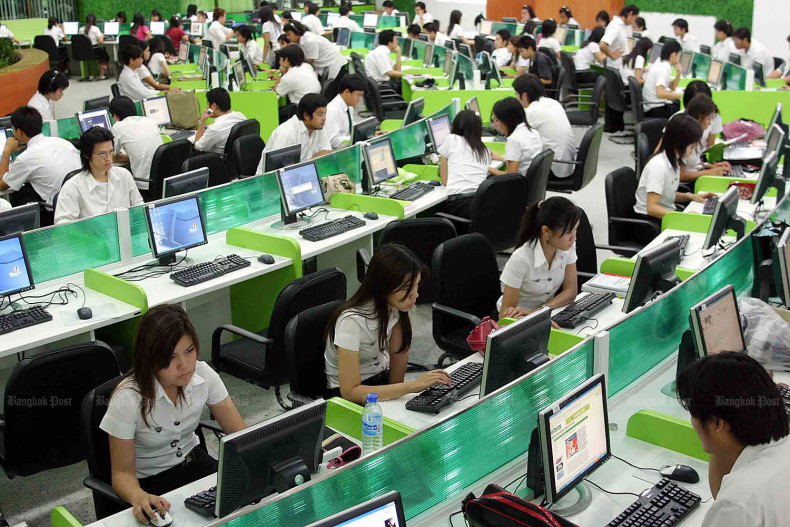
» Everywhere I turn these days, there is another comment or opinion on artificial intelligence or AI. Digging a little deeper, it would appear the concerns are for what comes after GPT-4.

Chinese tech companies are at it again
Life, James Hein, Published on 12/05/2021
» A reminder on the importance of both scalable systems and load testing. The recent Philippines' attempt to expand its national ID programme had a number of issues when they introduced a two-factor authentication system. PhilSys, as it is known, started out just fine when registrations began in 2020, when paper forms were still used. This in itself was a little strange as the purpose of the new system was to do away with the need to present physical documents when interacting with government agencies. PhilSys the digital ID system was marketed as such and promised transformation and other buzzwords including easier opening of bank accounts. All of this would also help everyone involved during Covid times. After 28 million paper applications, the digital system was turned on and in the first hour 40,000 people tried to register. The system promptly fell over due to the load and inability to scale quickly. Most IT people will admit to a similar experience in their past, but by 2021 there are surely enough historical examples of what will happen if you don't do sufficient load testing before a major release like this.

Learning in the time of crisis
Life, James Hein, Published on 08/04/2020
» There is a mix of good and bad information regarding Covid-19 on the internet so be careful that what you are reading isn't fake news, especially when it comes to numbers and cures. The numbers available are those reported by each country and are based on testing and the honesty of each government, so will vary from the actual state. This is where the major social media platforms are being exposed even more. They are deleting valid information, such as on hydroxychloroquine trials, while promoting hit pieces on globalisation.
More data, more problems
Life, James Hein, Published on 01/01/2020
» It's time to make some predictions for 2020. A number were made by others a while back, most of which did not eventuate, like a Japanese base on the Moon, flying cars and a Beijing to London rail link. I'll try for a bit more realism.