



Showing 1 - 6 of 6
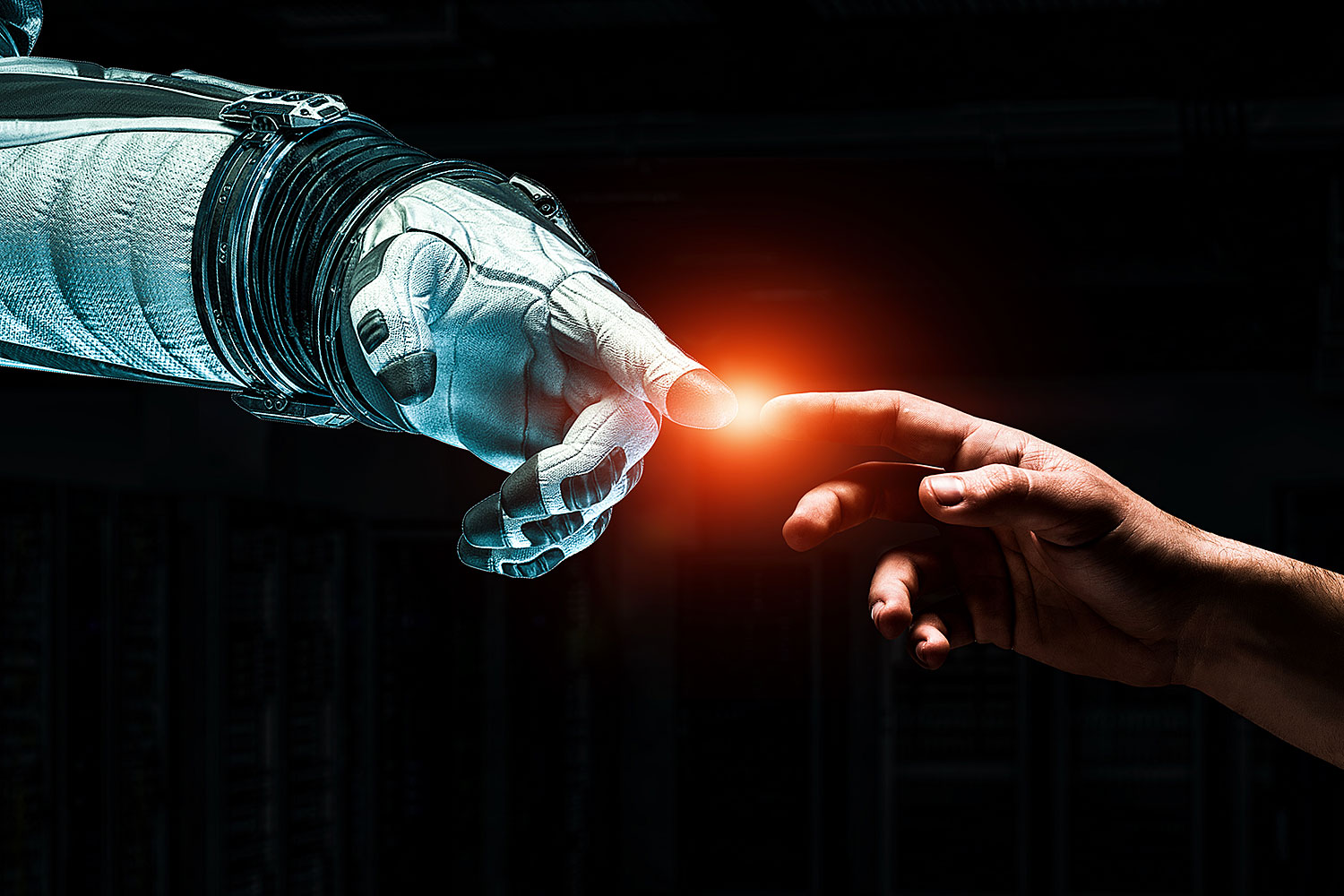
AI learning versus human creativity is a real battle
Life, James Hein, Published on 25/02/2026
» If you’ve been reading these columns long enough, you’ll probably know that I write music and I’ve written some books. With the advent of artificial intelligence, the concept of copyright and private property has blurred. The standard rule was, what you have worked hard on to create, belongs to you. As musicians and authors, ideally, we create, we write and we invent. In the world of AI, it will draw a picture, write a book and create music for you based on a simple text prompt that itself may have also been written for you by AI.

Samsung's future flex
Life, James Hein, Published on 26/05/2021
» So whatever happened to the rollable displays we were promised some time back? Turns out companies like Samsung have been working on them, presenting a few at the recent Society for Information Display (SID) annual exhibition. The key to this technology is the OLED (organic light-emitting diode) display because it doesn't need a backlight. This allows for paper thin, flexible displays. In keeping with their usual nomenclature, Samsung calls their first device the S-foldable. Their range starts at phone size and unfolds twice to a 7.2-inch screen. They also presented a slidable screen that pulls out to give a wider view. Then came the 17-inch foldable screen that starts as a tablet that can be used as a small monitor tagged as the "Carrying Small Seeing Big". For now, these are concept devices that we should see in the wild next year. Not to be outdone, LG demoed a 65-inch rollable OLED TV along with a 12.8-inch rollable device. China is also in the mix with Visionox showing their rollable OLEDs.

Chinese tech companies are at it again
Life, James Hein, Published on 12/05/2021
» A reminder on the importance of both scalable systems and load testing. The recent Philippines' attempt to expand its national ID programme had a number of issues when they introduced a two-factor authentication system. PhilSys, as it is known, started out just fine when registrations began in 2020, when paper forms were still used. This in itself was a little strange as the purpose of the new system was to do away with the need to present physical documents when interacting with government agencies. PhilSys the digital ID system was marketed as such and promised transformation and other buzzwords including easier opening of bank accounts. All of this would also help everyone involved during Covid times. After 28 million paper applications, the digital system was turned on and in the first hour 40,000 people tried to register. The system promptly fell over due to the load and inability to scale quickly. Most IT people will admit to a similar experience in their past, but by 2021 there are surely enough historical examples of what will happen if you don't do sufficient load testing before a major release like this.

Fujitsu in first big WFH move
Life, James Hein, Published on 15/07/2020
» - As predicted, Fujitsu provided a great example when it announced the permanent closure of half of its office real estate in Japan. They will instead have 80,000 workers working from home permanently. This is a huge redefinition of work culture in the wake of the Covid-19 outbreak. Called the "Work Life Shift" campaign, Fujitsu is to study data on how employees use offices, with a view to giving them more tools and options to work from home, at hubs or be more mobile. This will end the habit of employees commuting to and from offices. It also indicates the allowance of a higher degree of autonomy based on the principle of trust, Fujitsu announced.

China foundering in IT advances
Life, James Hein, Published on 17/06/2020
» - As I write this it has been a strange two weeks in the world and this has kept most news on the technology front well in the background.

WFH causes a rethink of sales
Life, James Hein, Published on 03/06/2020
» - I love a good marketing vs predictive analysis battle. Lenovo is guessing the current work-from-home trend will be good for PC makers. This is on top of the orders for laptops that went through the roof as offices closed and staff were asked to work remotely. Sales in Western Europe for example jumped 55%. My organisation just had me take my PC home as they didn't have enough notebooks to go around. Lenovo are betting that if people are working from home on a more permanent basis that will mean more PC sales, predicting 25% to 30% growth in the next two to three years.