



Showing 1 - 10 of 21

Caveat emptor is undefeated in online shopping
Life, James Hein, Published on 11/03/2026
» It is becoming more common to buy things online. The majority of my shopping, not counting groceries, is now done that way. In the past I've warned about prices that are too good to be true, like a 4TB thumb drive for a few dollars from sites like Temu and AliExpress. There is now a kind of middle ground where the price could be correct and it's coming from, say, Amazon. Recently, even though I had some doubts, I bought a 5TB SSD drive from Amazon for around half of what I'd expect it to be. I did this knowing I can easily send things back to Amazon.
What to expect in the year ahead
Life, James Hein, Published on 31/12/2025
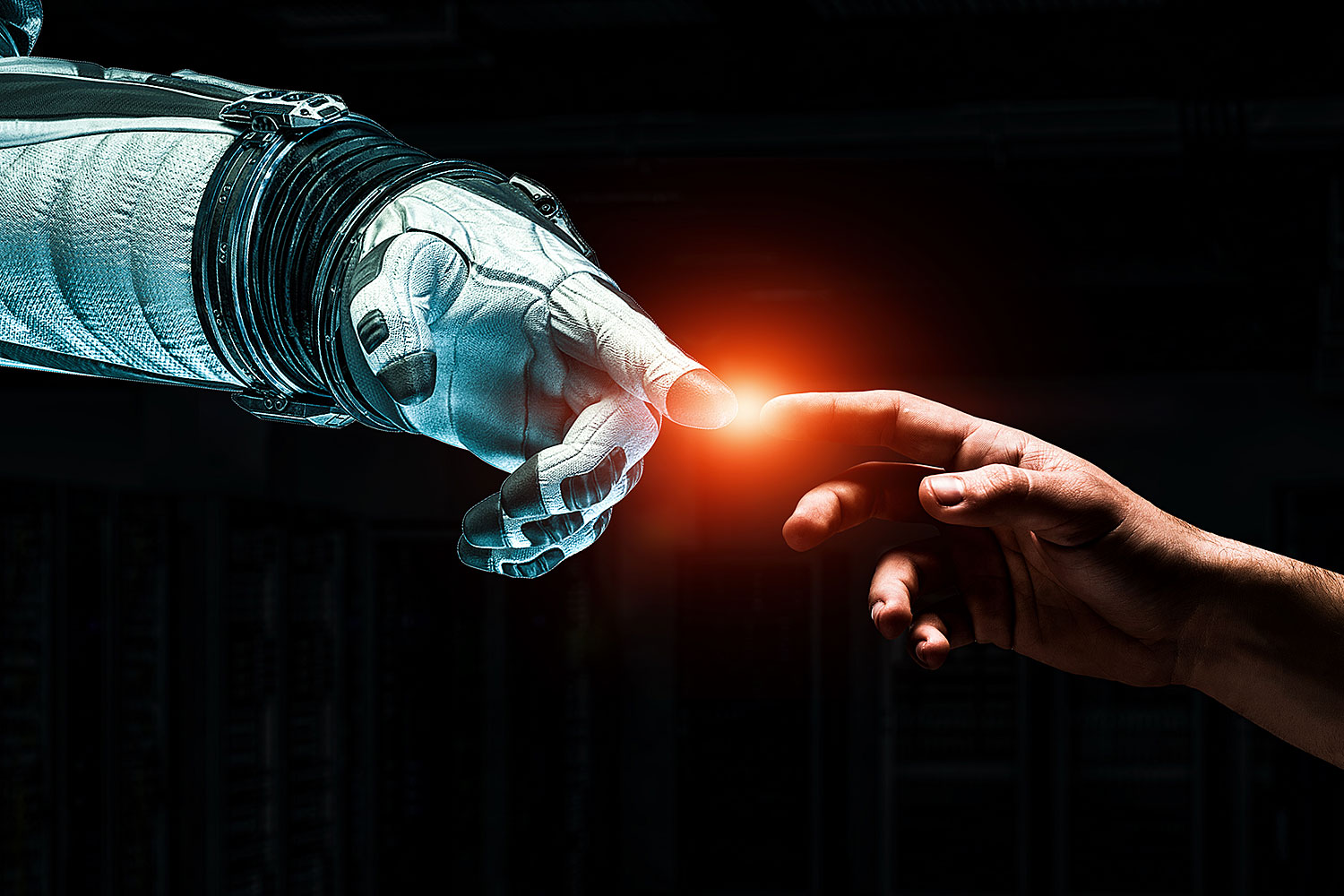
» The coming year will be full of artificial intelligence, robots and a Starlink communications experience that will have many moving from their current providers. Let's dig in with my predictions for 2026.

LLMs are left-leaning models
Life, James Hein, Published on 07/05/2025
» A while back I wrote about the political bias in Large Language Models (LLMs). Since then the models have evolved and David Rozado has conducted more recent tests based on four of the popular political orientation tests. Using the Political Compass, Political Spectrum, Political Correctness and Eysenck tests, he worked with xAI Grok 3 beta, Google's Gemini 2.5 pro, Deepseek V3, OpenAI GPT 4.1 and Meta's Llama 4 Maverick. In all but one of the tests Grok 3 was closest to the centre, and on average was the clear leader. All the models were still located in the Left Libertarian quadrant, with Grok just sneaking into a more Conservative area with the Eysenck test. These tests are of course but one way to measure the political leanings of any LLM. Overall however, it does still indicate the left-leaning bias in all models tested so far. If you want to see more details, you can visit David Rozado's substack.

Rabbit R1's AI action intrigues
Life, James Hein, Published on 31/01/2024
» A new device out of CES 2024 in Las Vegas caught my eye. At first glance, the Rabbit R1 doesn't look all that interesting. It's a US$199 (in America), orange, handheld device that looks like an old-style gaming machine of some kind about the size of a stack of Post-It notes. It comes with a 2.88-inch touchscreen, a camera, a voice command button and a 4G LTE SIM card slot for connectivity beyond Wi-Fi. This is not a smartphone and won't replace it as there are no onboard apps, it won't pair with your smartphone and it doesn't talk to application APIs like cloud service gateways.

Manipulating populations is very easy
Life, James Hein, Published on 25/10/2023
» Have you ever heard of the term SEME, or Search Engine Manipulation Effect? The term was coined back in 2014 by the psychologist Robert Epstein, in his paper "The Search Engine Manipulation Effect (SEME) And Its Possible Impact On The Outcomes Of Elections".

New chatbot can do a lot, but can you trust it?
Life, James Hein, Published on 18/01/2023
» Over the New Year break, I was digging a bit more into artificial intelligence and especially how the ChatGPT can be used and how it could affect society.

EU demands Apple play fair
Life, James Hein, Published on 22/06/2022
» It looks like the Apple-specific charging cable may be a thing of the past with the European Union demanding that all smartphone makers use a universal USB-C port for wired charging by 2024. The same rule will be applied to many other electronic devices like tablets, cameras, headphones, handheld video game consoles and e-readers. In the future, laptops will need to follow the same rule.

The new year will see incremental growth in IT sector
Life, James Hein, Published on 05/01/2022
» Here we are in a bright and shiny new year. Let's see what this one might bring.

Chinese tech companies are at it again
Life, James Hein, Published on 12/05/2021
» A reminder on the importance of both scalable systems and load testing. The recent Philippines' attempt to expand its national ID programme had a number of issues when they introduced a two-factor authentication system. PhilSys, as it is known, started out just fine when registrations began in 2020, when paper forms were still used. This in itself was a little strange as the purpose of the new system was to do away with the need to present physical documents when interacting with government agencies. PhilSys the digital ID system was marketed as such and promised transformation and other buzzwords including easier opening of bank accounts. All of this would also help everyone involved during Covid times. After 28 million paper applications, the digital system was turned on and in the first hour 40,000 people tried to register. The system promptly fell over due to the load and inability to scale quickly. Most IT people will admit to a similar experience in their past, but by 2021 there are surely enough historical examples of what will happen if you don't do sufficient load testing before a major release like this.

The benefits and risks of neural interfaces
Life, James Hein, Published on 17/02/2021
» This week is dedicated to the brain-computer interface, or BCI. For some time now, sci-fi movies and TV series have presented the idea of a mind-to-computer interface that controls technology, retrieves information and displays it on virtual screens. Meanwhile, in the background, a number of companies have been working on this and the technology is close to realising some of the outcomes only seen in fiction so far.