



Showing 1 - 10 of 74
AI learning versus human creativity is a real battle
Life, James Hein, Published on 25/02/2026
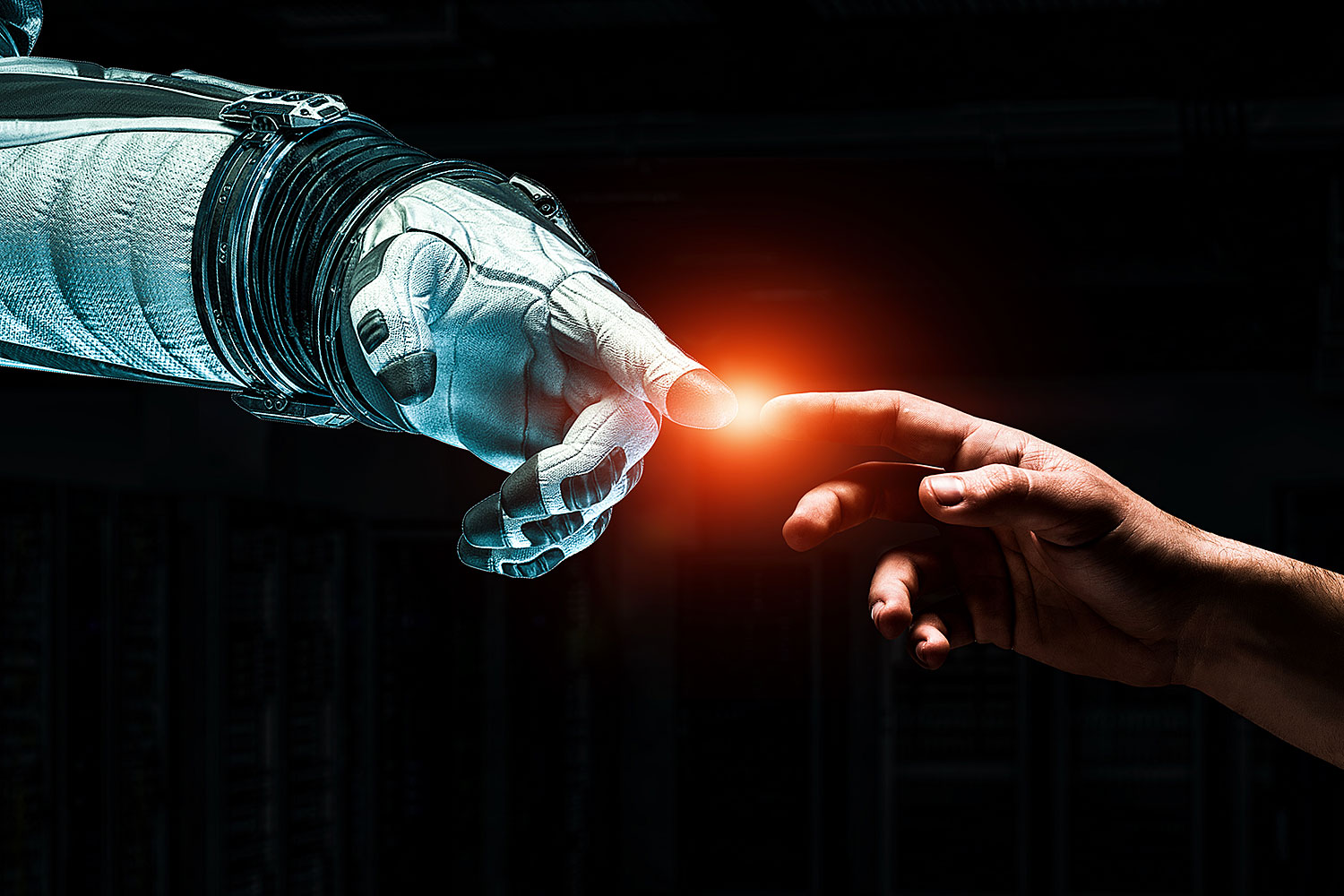
» If you’ve been reading these columns long enough, you’ll probably know that I write music and I’ve written some books. With the advent of artificial intelligence, the concept of copyright and private property has blurred. The standard rule was, what you have worked hard on to create, belongs to you. As musicians and authors, ideally, we create, we write and we invent. In the world of AI, it will draw a picture, write a book and create music for you based on a simple text prompt that itself may have also been written for you by AI.

Microsoft put on the naughty step by Aussie regulator
Life, James Hein, Published on 05/11/2025
» Microsoft has been at it again. The Competition & Consumer Commission in Australia has started a legal process against the Redmond giant for apparently misleading users of the policies for its Microsoft 365 bundle. Microsoft advised users with a Personal and Family plan that "to maintain their subscription they must accept the integration of Copilot and pay higher prices for their plan, or, alternatively, cancel their subscription".

Android is now the new Apple
Life, James Hein, Published on 10/09/2025
» Some may be wondering why have I used an Android phone up to now compared to, say, Apple iPhone? In the beginning, it was for the following four reasons -- a headphone jack, a removable battery, the ability to insert an SD card for storage and the ability to load a program into the computer. That last part may sound a little strange but a 12GB device with 1TB of storage and a graphics unit built in is a computer now. The "program" loading here means you can put your own operating system on the device and install applications, bypassing the Play Store. So where are we now? No headphone jack, no SSD support, no removable battery and based on a recent announcement, no ability to "side-load" programs any more. In other words, Google phones have now or will soon be turned into iPhones.
AI will overpromise and underdeliver
Life, James Hein, Published on 27/08/2025
» Let's start with a few brief comments on the current state of artificial intelligence. Specially targeted and trained AI models are improving. These are things like detecting something in an X-ray or hunting for potential chemical candidates for a compound to attack a specific condition. Generating pictures and videos is also improving rapidly, and by the end of the year the majority of people will not be able to tell the difference between the real thing and the AI fake. Large Language Models are still unpredictable and can give false or fake answers depending on the structure of the prompts, so be careful with the answer you get from these. The current corporate buy-in for AI is well beyond what it can deliver. This is driven by marketing, not the actual state of capabilities. My prediction is there will be a lot of out-of-pocket organisations of all types disappointed by results.

Hey influencers, nobody likes you
Life, James Hein, Published on 30/07/2025
» I was recently at Stonehenge in the United Kingdom. Apart from the historical significance, it is a huge tourist site. As you might expect there are rules, ropes to indicate boundaries and a well-run system. Enter the Influencer. She was the classic example, with friends, attitude and the only one who crossed the ropes to get that special picture.

The entitlement epidemic rages
Life, James Hein, Published on 16/07/2025
» I was recently at Stonehenge in the United Kingdom. Besides the historical significance, it is a huge tourist site. As you might expect, there are rules, ropes to indicate boundaries and a well-run system. Enter the influencer. She was the classic example, with friends, the attitude and the only one who crossed the ropes to get that special picture. The current set of typically self-declared influencers come with a sense of entitlement that is almost scary.
Will Tesla's camera-only autonomy prove its mettle?
Life, James Hein, Published on 02/07/2025
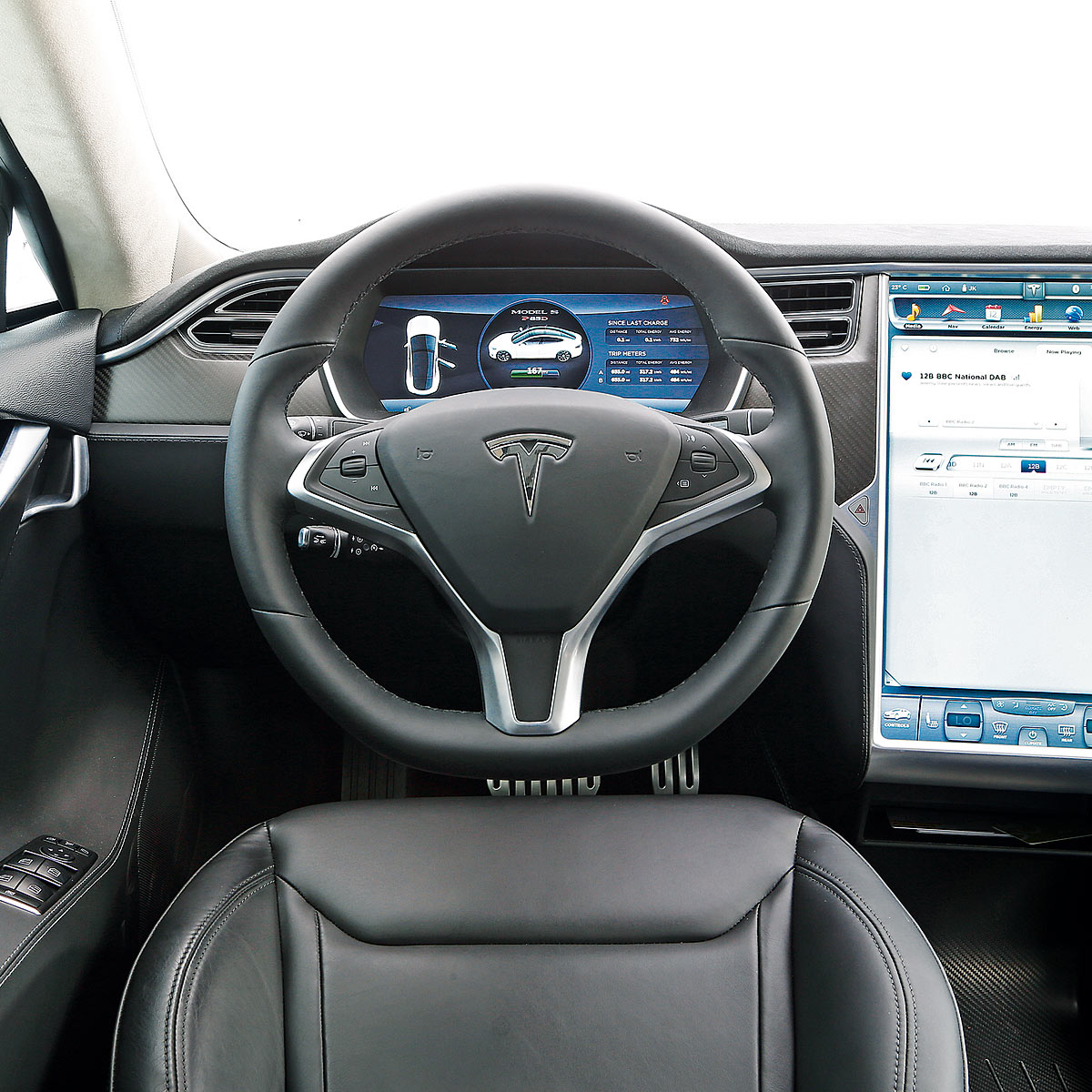
» I'm still not convinced that Tesla's camera-only approach will work well in all situations. According to a quick AI search, Elon doesn't like Lidar based on "cost, complexity, and philosophical disagreement with its necessity". Other manufacturers seem to have no problem with the first two of these and I challenge his last reason. I would have thought that a combination of available technologies would give you the safest options for all circumstances.

Connectivity conundrums
Life, James Hein, Published on 18/06/2025
» I'm travelling as I write this, so I thought it would be a good time to cover things like connectivity and the kind of issues I face even in 2025. Connectivity will typically revolve around your smartphone and I recommend you prepare for this in advance. Option one is a new sim card that you put in when you get to your destination.

Beware the AI bots
Life, James Hein, Published on 04/06/2025
» I recently joined a Facebook group that supposedly represented Kat Timpf, a regular presenter on the Gutfeld! show. I posted a couple of comments and a couple of weeks later, I received a tag in social media purportedly from Dana Perino, a regular on the Fox show The Five. Initially this was a surprise. Why would a famous TV star want to chat with me? After a few chats, it became obvious something was off. The tag name in Messenger was just Dana Perino but the conversation had a few structural errors, not something a former press secretary would make.

Is your internet speed too slow?
Life, James Hein, Published on 09/04/2025
» How important is a good internet connection? This is one of those how long is a piece of string or what computer should I get questions. Back in the day, it was a huge jump from zero bits per second to a 2400 Baud modem. People and businesses were willing to pay a large sum to get connected because it opened up a new world of possibilities, ranging from not needing to go to the library as often and being able to sell and market products online. When and how often you paid for the next upgrade depended on your use case and the capabilities it provided. The next major jumps in speed were 4800, 9600 and 14400bps and everyone jumped to one of these as a next step. During this period, the mid 90s, the T1 at 1.544Mbps was the imaginary godlike speed we all dreamed about but didn't have money to afford. That speed provided real time video conference calls and was limited to government and large business concerns that typically involved a dedicated screening room. This was also when the concept of data compression started to gain popularity as you could send more with less bits.