



Showing 1 - 7 of 7
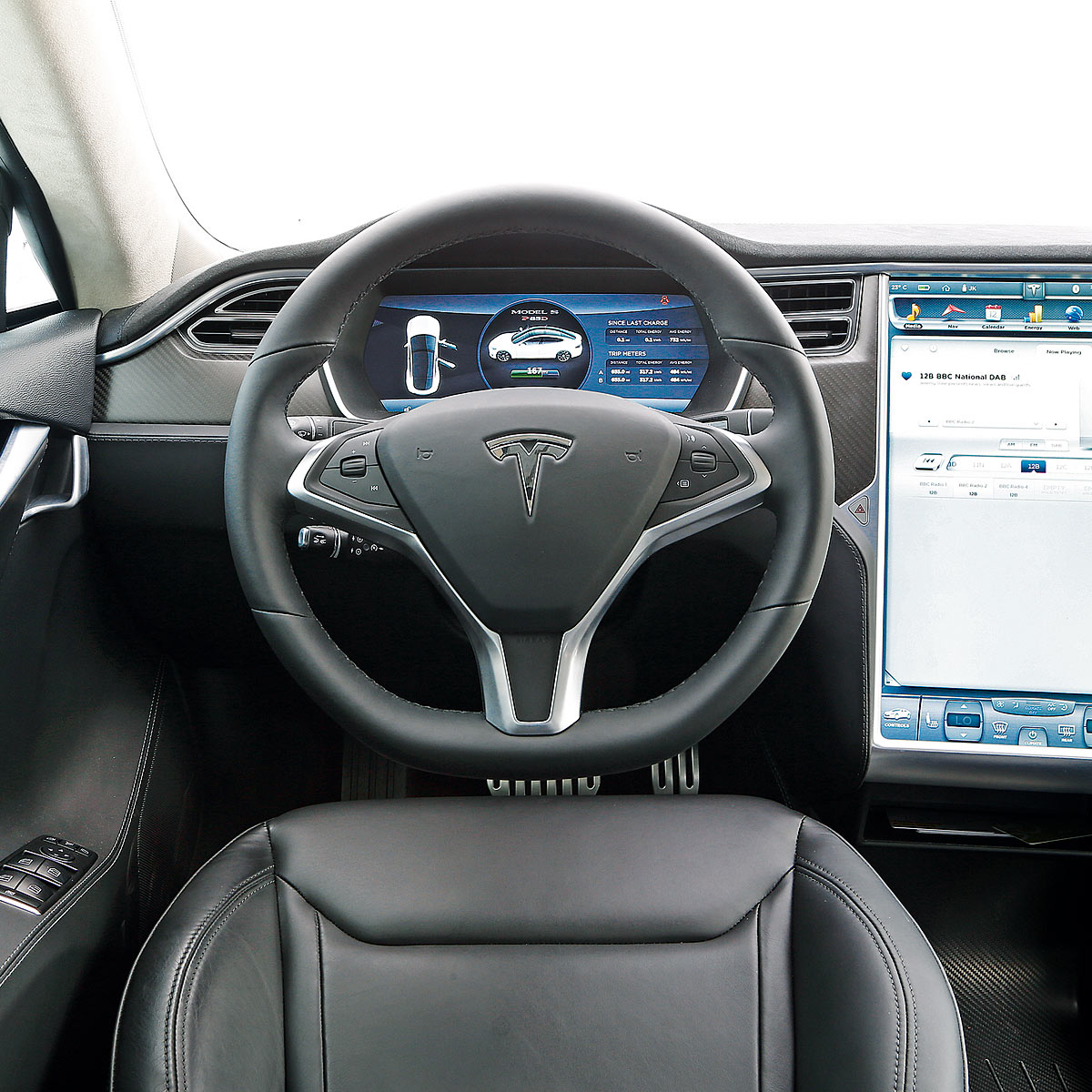
Will Tesla's camera-only autonomy prove its mettle?
Life, James Hein, Published on 02/07/2025
» I'm still not convinced that Tesla's camera-only approach will work well in all situations. According to a quick AI search, Elon doesn't like Lidar based on "cost, complexity, and philosophical disagreement with its necessity". Other manufacturers seem to have no problem with the first two of these and I challenge his last reason. I would have thought that a combination of available technologies would give you the safest options for all circumstances.

Headlines are disappointing
Life, James Hein, Published on 22/11/2023
» If you have been in any way involved in social media over the past few years, there will be words that immediately have you wondering if the headline is in any way real. My favourite recently was "SpaceX Launched REAL UFO In ISRAEL! HAMAS And Iran Shocked!" on YouTube.

Chinese tech companies are at it again
Life, James Hein, Published on 12/05/2021
» A reminder on the importance of both scalable systems and load testing. The recent Philippines' attempt to expand its national ID programme had a number of issues when they introduced a two-factor authentication system. PhilSys, as it is known, started out just fine when registrations began in 2020, when paper forms were still used. This in itself was a little strange as the purpose of the new system was to do away with the need to present physical documents when interacting with government agencies. PhilSys the digital ID system was marketed as such and promised transformation and other buzzwords including easier opening of bank accounts. All of this would also help everyone involved during Covid times. After 28 million paper applications, the digital system was turned on and in the first hour 40,000 people tried to register. The system promptly fell over due to the load and inability to scale quickly. Most IT people will admit to a similar experience in their past, but by 2021 there are surely enough historical examples of what will happen if you don't do sufficient load testing before a major release like this.

A new era for Windows?
Life, James Hein, Published on 29/01/2020
» When you read this, Windows 7 will have reached its end of support, but it still has about 27% of the current market share on Windows desktops. The Microsoft term "end of support" refers to technical support and security updates/fixes, and it means that over time your operating system will become less secure and more open to attack by malware.

Biggest IT fix you never heard of
Life, James Hein, Published on 15/01/2020
» The clock ticked over to 2020 and the UK giant Lloyds Bank fell over -- well it had some problems populating bank accounts with payments at least. The problem? Apparently a Y2K bug that affected mobile apps and web logins. A similar problem occurred again on Jan 2. Well before the year 2000 was reached I was one of those involved in Y2K mitigation. Large teams spent months making sure that software didn't fail when 2000 and 2001 kicked over along with a few other key dates, one of which was indeed Jan 1, 2020. Now I'm not sure if these issues are Y2K related but the Yorkshire and Clydesdale banks in the UK had similar issues that Lloyd's did, not processing payments into customer accounts. Latter reports did indicate the issue was with processing date problems.

Human override here to stay
Life, James Hein, Published on 10/04/2019
» Computers are useful tools and they will emotionlessly churn through thousands of operations in the blink of an eye to produce whatever results they were programmed to do. Most of the time the results are welcomed. When it comes to malware the results generate a different reaction, and then there are those spaces in the middle. The situation surrounding the Boeing 737 Max MCAS aircraft and the recent crash is an excellent example. The latest analysis would seem to indicate that the computer engineers made some choices that have had unintended consequences. In this case overriding the wishes of the pilots by assuming the plane was crashing, when it wasn't, and not allowing the human pilots to correct the computer's decisions.
Surprisingly, your personal data isn't safe with Facebook
Life, James Hein, Published on 10/10/2018
» Facebook has been in the news recently having large numbers of public profiles harvested by marketing conglomerates. Estimates from this incident alone range from 50 to 90 million users and there may be a lot more. The "more" part comes from the user search and account recovery features that may have been abused to scrape up to 2 billion or more accounts. In other words, if you are on Facebook and have any kind of public profile someone has more info on you than you might like. The feature has since been turned off but not before a lot of information went to the marketers.