



Showing 1 - 10 of 14

Would more debt fix the economy?
Business, Wichit Chantanusornsiri, Published on 17/05/2025
» A total of seven emergency loan decrees were issued from 1998 to 2021, authorising combined borrowings of 3.83 trillion baht to address various economic crises, including the Asian financial crisis and the Covid-19 pandemic.

Incentives for farmers forgoing debt scheme
Business, Wichit Chantanusornsiri, Published on 25/09/2023
» The Finance Ministry is planning to offer incentives to farmers choosing not to enter the debt suspension programme aimed at reducing the government's fiscal burden, according to a ministry source who requested anonymity.

New VAT mulled that targets luxury goods
Business, Wichit Chantanusornsiri, Published on 26/09/2022
» The Finance Ministry is considering the introduction of a two-tier value-added tax (VAT) rate that could generate additional revenue of more than 100 billion baht, says a ministry source who requested anonymity.

Reform of EV duties urged
Business, Wichit Chantanusornsiri, Published on 14/02/2022
» The Finance Ministry plans to propose to the cabinet a reduction of the import duty for electric vehicles (EVs) to 40%, 20% and zero percent, each depending on the engine size, says Deputy Finance Minister Santi Promphat.
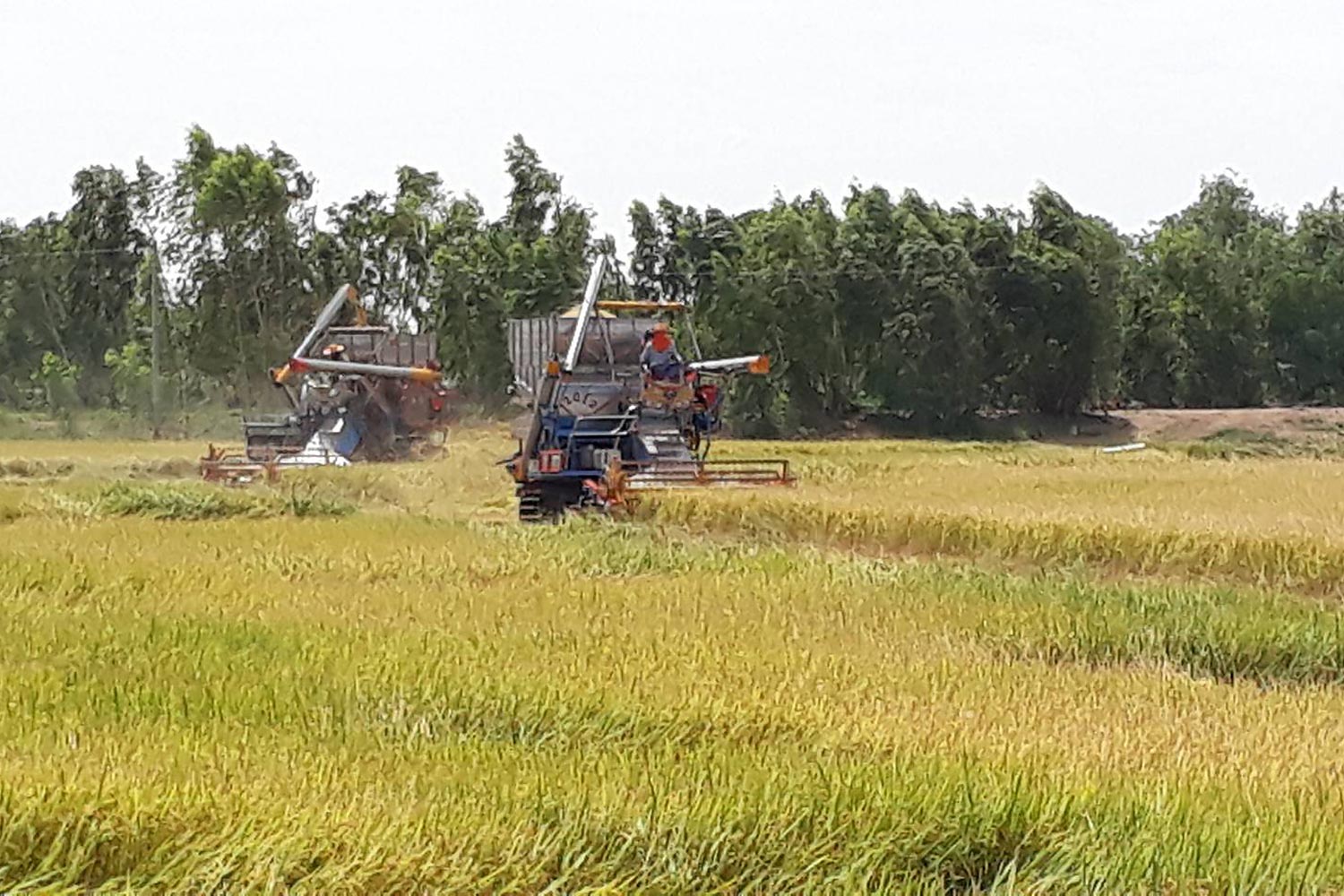
Source: Rice pledging debt halved
Business, Wichit Chantanusornsiri, Published on 29/07/2020
» The debt burden from the rice pledging scheme during Yingluck Shinawatra's government has declined by more than half, says the Public Debt Management Office (PDMO).

Poverty is not a political commodity
News, Wichit Chantanusornsiri, Published on 14/02/2019
» As the election is drawing near, most if not all political parties are making eradicating poverty and closing the economic gap their flagship policy, rolling out enticing populist programmes in the hope of winning the hearts and minds of voters.

Finance minister airs 2019 concerns
Business, Wichit Chantanusornsiri, Published on 03/01/2019
» Finance Minister Apisak Tantivorawong sees interest rate hikes, capital mobility and political stability after the general election as economic concerns for 2019.

Rethinking our attitude towards populism
News, Wichit Chantanusornsiri, Published on 06/12/2018
» The new package intended for the poor, valued at 38 billion baht issued by the Prayut Chan-o-cha administration ahead of the election, is seen by critics as a populist tactic aimed at maximising political gain. Yet in my opinion, it's time we took a new look or changed our attitude toward populist policies. The fact is that all governments, elected or not, tend to embrace populism and even though some packages may not benefit the middle class, populist policies are just inevitable.

Time for new chapter in tackling poverty
News, Wichit Chantanusornsiri, Published on 14/06/2018
» Over the past years the government has boasted of numerous economic advances, including an increase in GDP figures. Yet this does not necessarily bode well for its plan to tackle poverty. In fact, these achievements have exacerbated economic inequality, with farmers now marginalised at the bottom of the social spectrum.

Still room to spend after populist cap
Business, Wichit Chantanusornsiri, Published on 04/06/2018
» Some 10% of this year's budget is still available for the government to spend on populist policies after the Fiscal Policy Committee, chaired by Prime Minister Prayut Chan-o-cha, capped payment liabilities incurred from pork barrel spending at 30% of annual budget expenditure.