



Showing 1 - 9 of 9
Some shock therapy or slow healing?
Oped, Chartchai Parasuk, Published on 02/04/2026
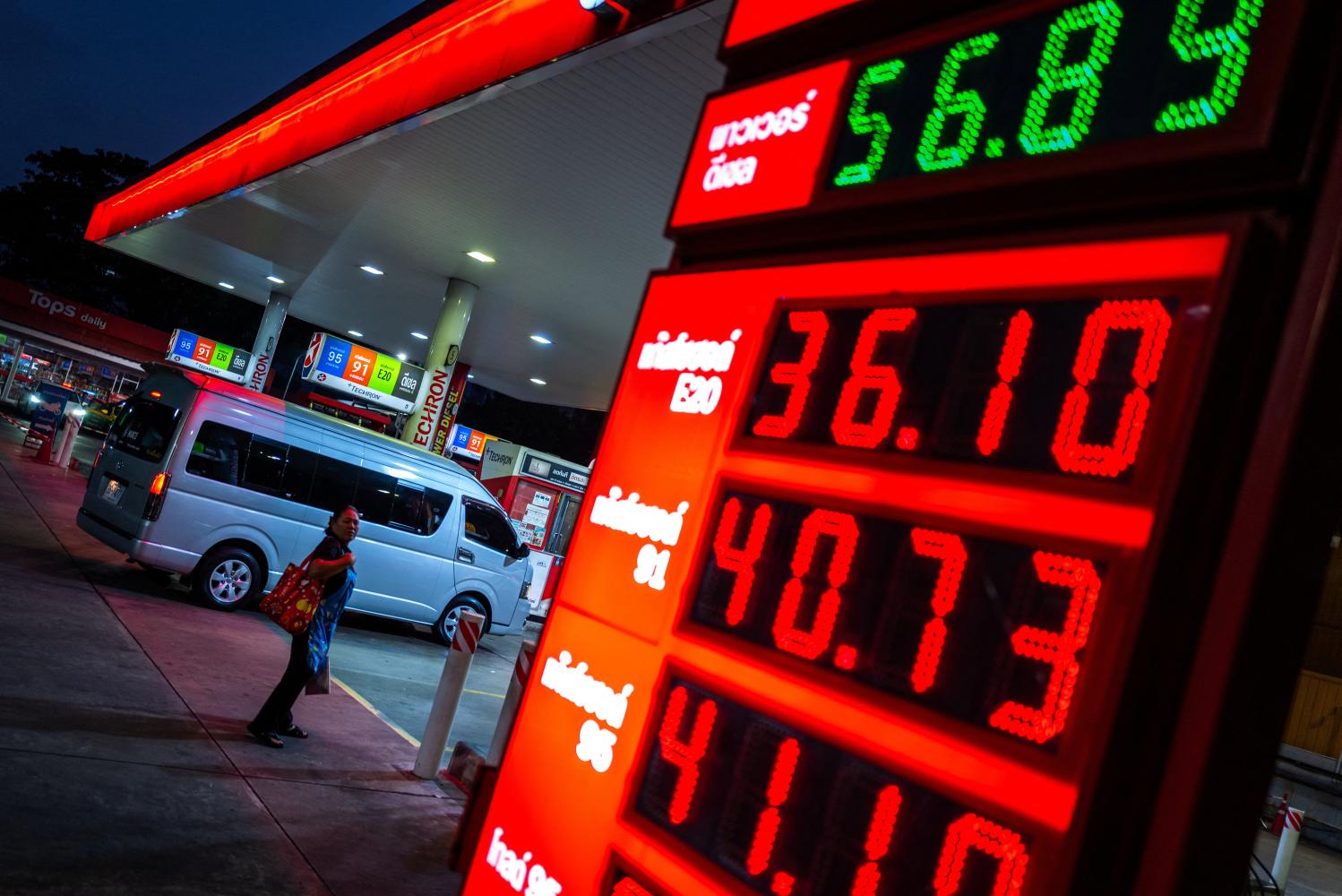
» Do readers prefer shock therapy or slow healing? This is not a health question, but an important economic one.

World faces prospect of financial tumult
Oped, Chartchai Parasuk, Published on 23/03/2023
» Today, I was supposed to present the third article, Managing Household Debt, in the series "Changing Thailand". In fact, I have finished drafting a payment reduction model which could reduce monthly debt payments by 4.6 times without the hair-cutting debt principal or requiring government financial support. But I will delay that article for now.

Oil price volatility demands tax rethink
Oped, Chartchai Parasuk, Published on 24/03/2022
» We are living in a time of unprecedented oil price volatility. On Feb 8, the world oil price (WTI Crude) was a little less than US$90 (3,030 baht) per barrel (dpb), but a month later the price jumped violently to 124 dpb.

War-hit Russian economy could fold
Oped, Chartchai Parasuk, Published on 10/03/2022
» It is a new kind of war -- economic war. Western allies, led by the United States, United Kingdom and European Union, are imposing trade and financial restrictions on Russia's economic activities. The aim is to freeze Russian assets abroad, paralyse financial transactions, obstruct cross-border trade flow, trigger high inflation and, most of all, provoke massive unemployment.

Can Omicron spur a Great Depression?
Oped, Chartchai Parasuk, Published on 02/12/2021
» The emergence of a new Covid-19 variant -- Omicron -- has caused quite a stir globally just as many nations are on the recovery track from the Delta variant. Scientists worry that the latest strain first detected in South Africa has as many as 50 mutations, 32 of them on the spike protein which theoretically makes it much more transmissible than the Delta variant.

When an economist meets a psychic
Oped, Chartchai Parasuk, Published on 04/02/2021
» I enjoy reading prophecies. There is one thing fortune tellers and economists have in common: they make predictions. As an economist, I use my knowledge, theories and actual data, to check whether these prophecies make economic sense.
Lockdown pain worse than virus?
News, Chartchai Parasuk, Published on 23/04/2020
» You have seen it in the news - strings of protests against the Covid-19 lockdowns of cities and countries around the world. Protests ran the gamut from 20 states in the US, to Brazil, India and as far away as Lebanon. To protesters, economic pain is more real than the death threat from the virus. Are these people unreasonable? How could livelihoods be more important than lives?
Coronavirus economic blow will be long-lasting
News, Chartchai Parasuk, Published on 13/02/2020
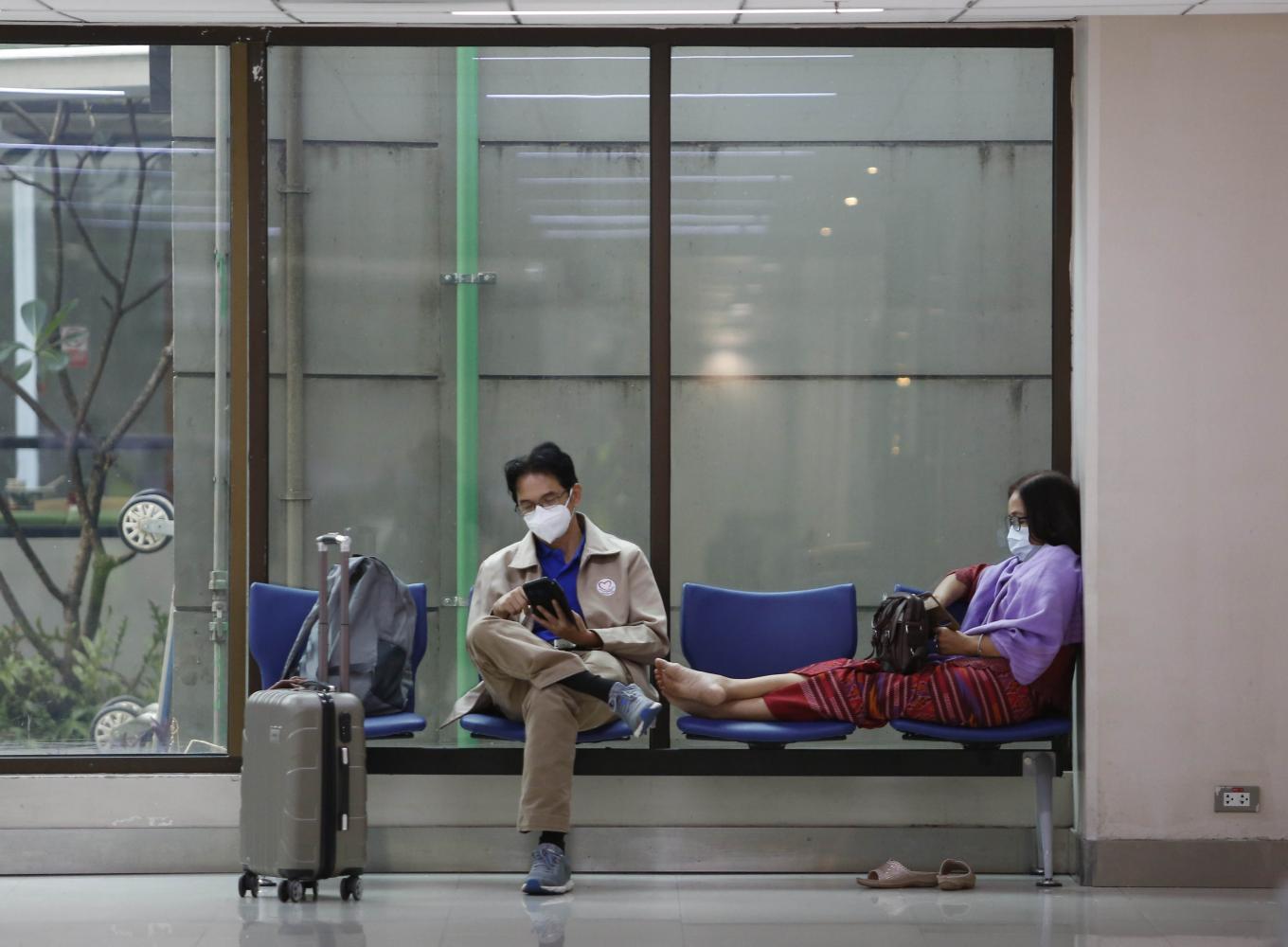
» Even though the coronavirus outbreak isn't over yet, economists are already counting the damage. Research houses estimate that China's gross domestic product (GDP) growth in the first quarter of this year could be less than 4% -- a sharp drop from the usual 6%-plus growth rate. Of course, the economic impact won't be limited to China, as its GDP represents more than 20% of the world economy.
Stagflation is now a reality for Thailand
News, Chartchai Parasuk, Published on 19/12/2019
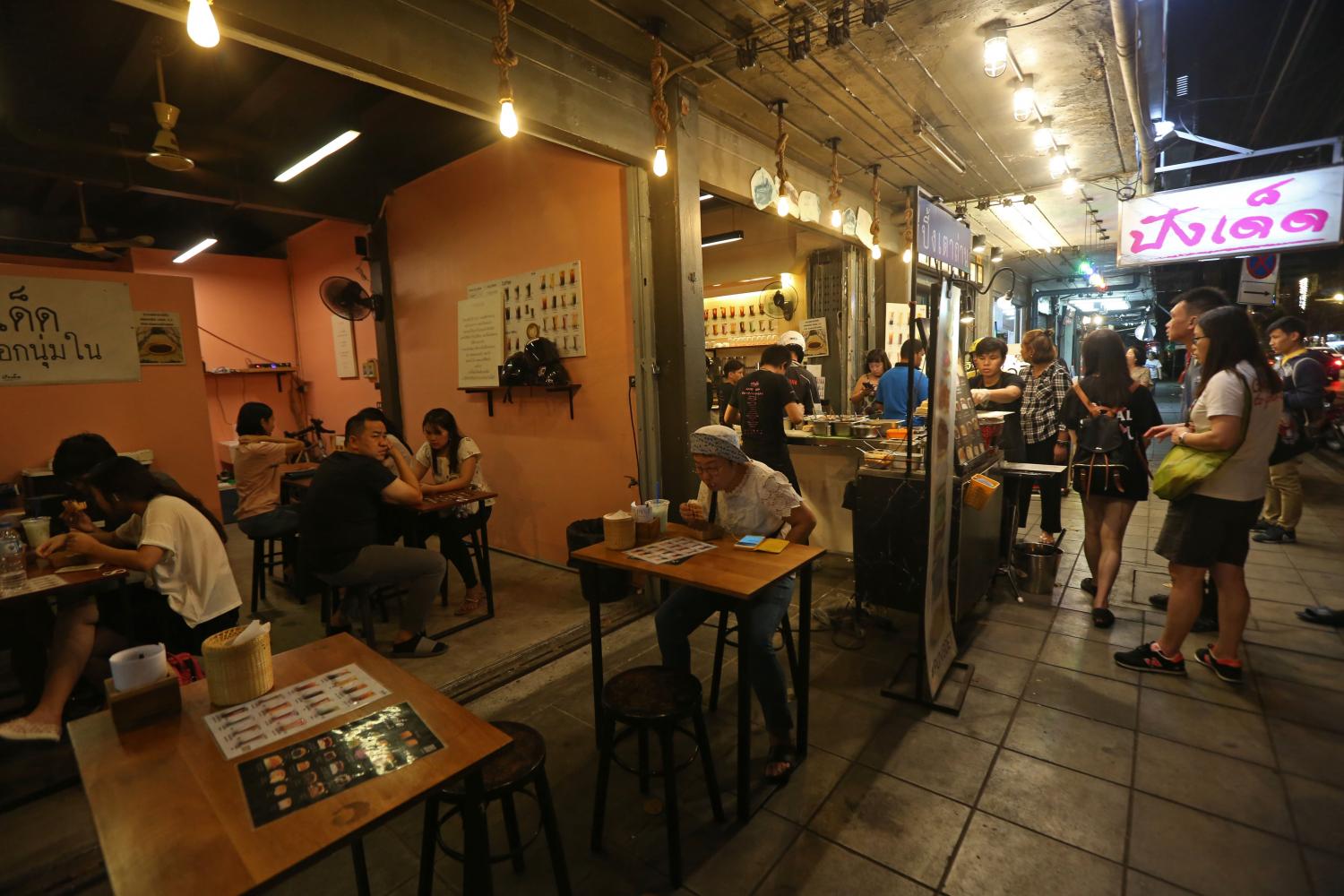
» I first encountered this word, a combination of "stagnation" and "inflation", in an economics textbook. Stagflation depicts an unusual situation whereby an economy experiences both a slowdown and high inflation at the same time. A textbook example is the US economy of the early 1970s, which suffered 9% unemployment along with 12% inflation. The culprit was a doubling of world oil prices which pushed the US economy into a recession and raised the cost of goods and services.