



Showing 1 - 10 of 11

Fiscal deficit will trigger 2026 crisis
Oped, Chartchai Parasuk, Published on 19/02/2026
» If readers want to be fully convinced that there will be a financial crisis in 2026, I can do that in three minutes. Readers need only look at the last two columns of the attached table, which depict the financing situation of the Thai economy in 2025 (actual) and 2026 (projected).

Zombie banking deepens economic woes
News, Chartchai Parasuk, Published on 19/09/2024
» This is the second of three articles, following the earlier article "Problems with Dr Thaksin's Visions". The series will end with an article titled "Call for a paradigm shift".

Putting a dampener on Thai recovery
Oped, Chartchai Parasuk, Published on 26/01/2023
» After three years in which the economy suffered from Covid effects, I am sorry to say that 2023 will not be the year of economic recovery as everyone had hoped. The global economy will still be plagued by inflation threats and several adverse factors such as excessive debt and the Russia-Ukraine war. These negative factors prompted the World Bank to revise its global economic growth prospects downward from 3.0% to 1.7% for 2023. The key point is a marked slowdown from 2.9% growth in 2022.

Interest gap could spell economic peril
Oped, Chartchai Parasuk, Published on 06/10/2022
» On a recent Monday, the Fed called an emergency meeting. The discussion topics were not made known. Could it possibly be about turmoil in the UK bond market and the financial troubles of large investment banks? At this fragile time, the world cannot afford another Lehman Brothers-type disaster.

City Hall needs a much larger budget
News, Chartchai Parasuk, Published on 30/06/2022
» This article is a welcome gift to Bangkok's new governor, Chadchart Sittipunt.
Expect inflation to worsen, not lessen
Oped, Chartchai Parasuk, Published on 21/04/2022
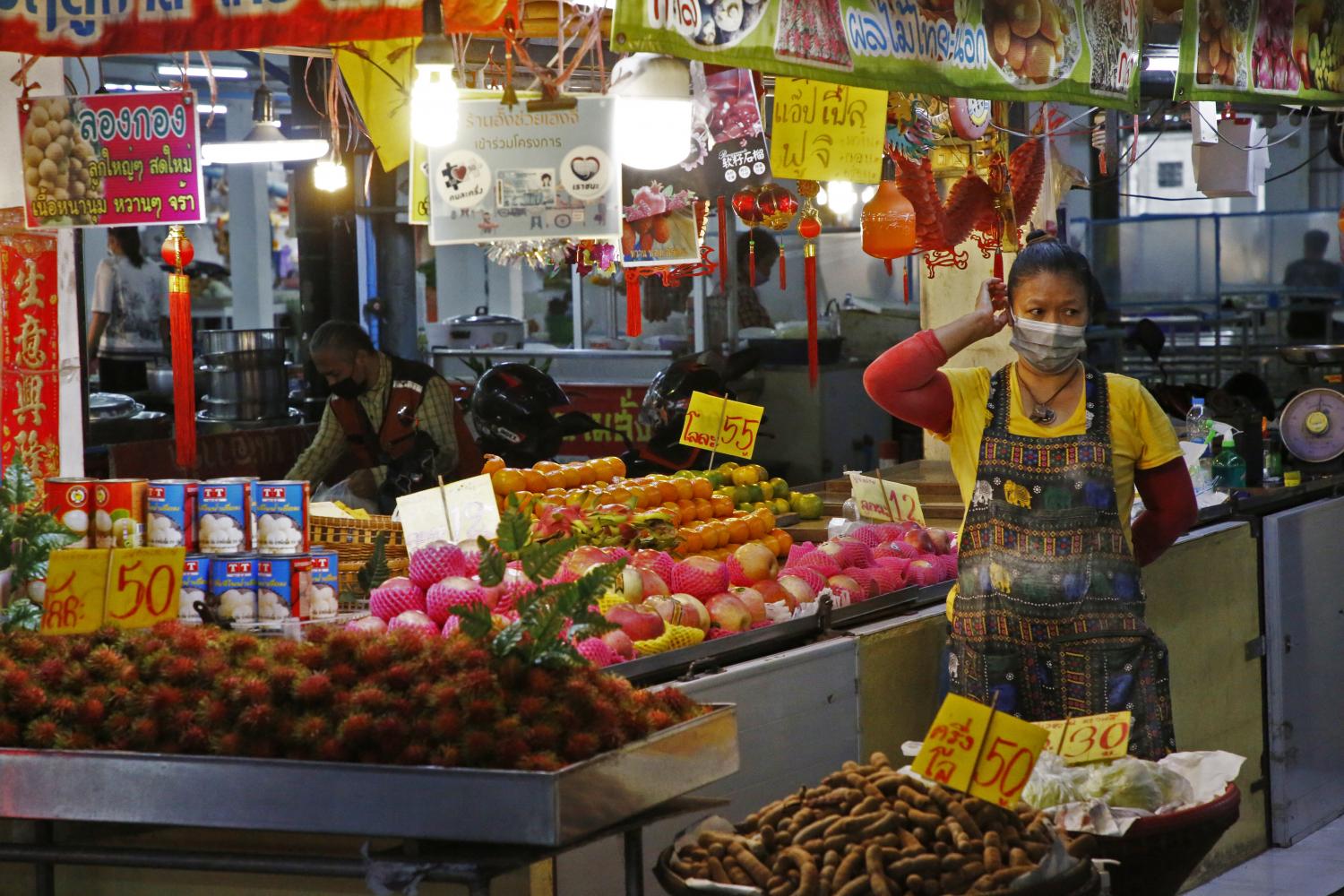
» The economic theory is clear. Inflation always precedes a recession. Investors also think similarly. A recent Market Live Poll conducted by Bloomberg shows that 15% of investors are expecting a US recession to begin in 2022, 48% in 2023, 21% in 2024 and 16% looking at 2025 or later. Deutsch Bank also believes the US economy could face a recession in 2023.
Tonic needed as inflation is here to stay
Oped, Chartchai Parasuk, Published on 27/01/2022
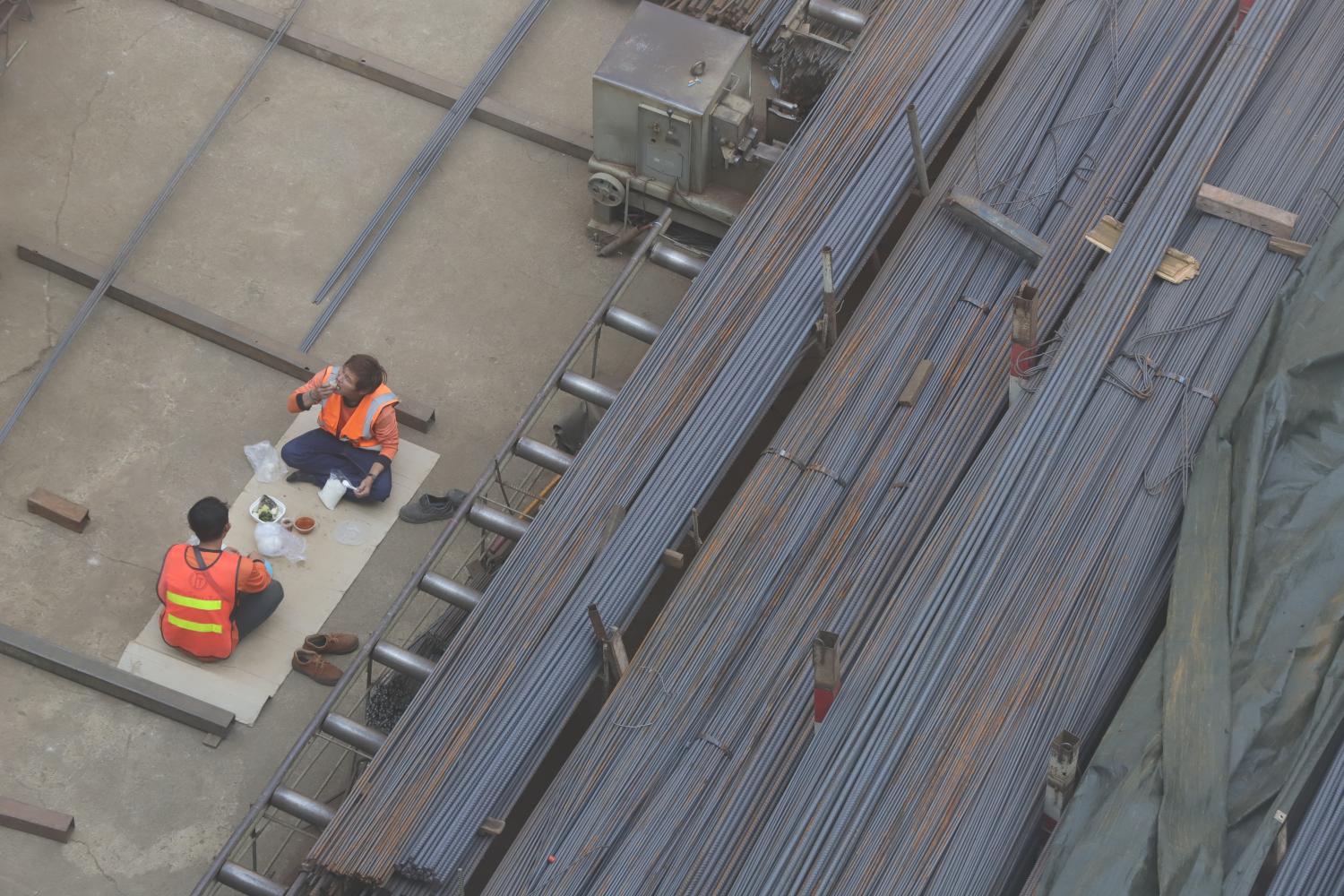
» Inflation is, and will be, the number one economic issue of 2022. All countries are facing rapid rises in consumer prices which is threatening not only their economic recovery from the Covid outbreak but also the stability of many governments. The US consumer price index (CPI) hit a 39-year high at 7% in December 2021, prompting Goldman Sachs to predict that the Federal Reserve Board might raise interest rates four times this year.

If jabs don't work, we must have Plan B
Oped, Chartchai Parasuk, Published on 24/06/2021
» What would you do if you were a government facing a (rapidly) falling economy, receding tax income, ballooning public and private debts, drying up domestic liquidity, and feeble economic relief programmes?

Lessons from the 1997 economic crisis
Oped, Chartchai Parasuk, Published on 01/04/2021
» Today is April Fools' day. But there is no fooling about the threat of liquidity crisis. I am sure that many readers are sceptical about the possibility of a liquidity crunch in this country. First, the government debt to GDP ratio is less than 60% which is not high by international standards. Second, Thailand now, unlike in 1997, has adopted a flexible exchange rate system which has a low risk of currency speculation. And, third, the country has international reserves equivalent to 11 months of imports of goods and services which is two times higher than IMF's suggested requirement. How could an economy this good be at risk?

When an economist meets a psychic
Oped, Chartchai Parasuk, Published on 04/02/2021
» I enjoy reading prophecies. There is one thing fortune tellers and economists have in common: they make predictions. As an economist, I use my knowledge, theories and actual data, to check whether these prophecies make economic sense.