



Showing 1 - 7 of 7
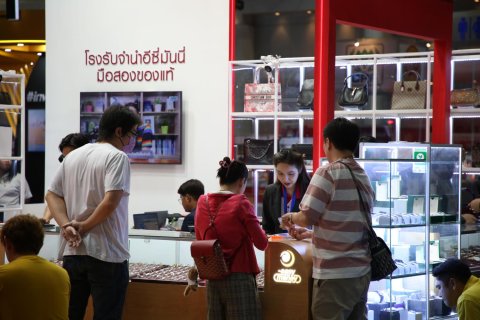
2026 will be a year of debt struggles
Oped, Chartchai Parasuk, Published on 08/01/2026
» Forget GDP growth. Forget tourist arrivals. Forget export figures. In 2026, Thailand's overriding economic challenge will not be growth but debt repayment.
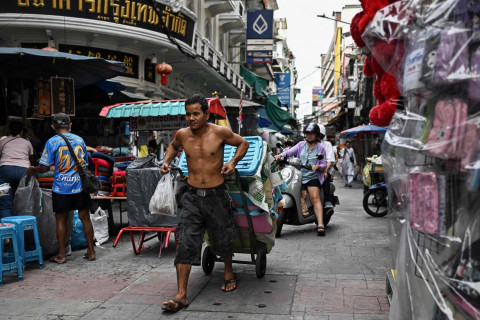
Thailand has lost its last growth engine
Oped, Chartchai Parasuk, Published on 29/05/2025
» Thailand has lost its last engine of growth and people are abandoning hope for a decent life.
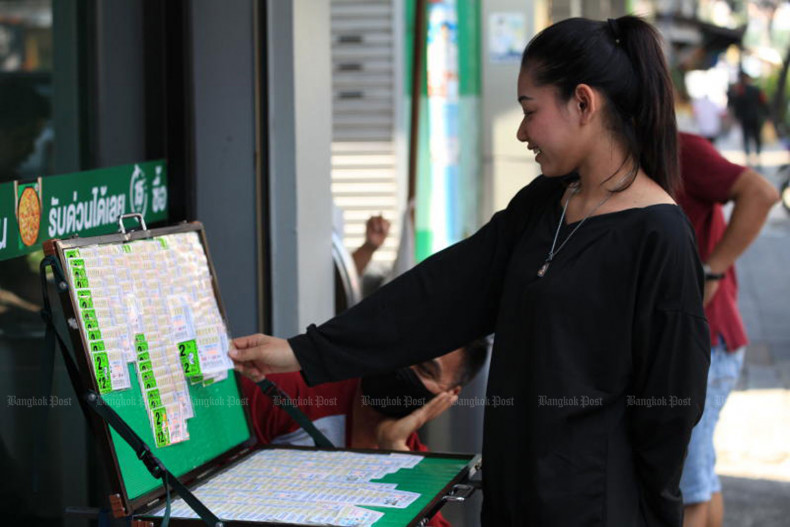
3.2% GDP growth 'pie in the sky'
News, Chartchai Parasuk, Published on 11/01/2024
» This year must be my lucky year. One of the key points of this article is to underline the risk of financial crisis compared to 1997. But this time it would not come from bank failures, it would come from defaults on corporate bonds and commercial papers. The reasons are the low cash position of corporates from many years of weak economic performance and, most importantly, today's super-tight domestic liquidity to refinance matured bonds and papers. I am a little wary that readers may scorn such a bold opinion. However, out of the blue, my opinion was proven correct on Monday when Italian-Thai Development (ITD) announced the postponement of payments on its bonds due in 2024 to 2026 with a total value of 14.45 billion baht for two years.

Liquidity shortage a big risk for govt
News, Chartchai Parasuk, Published on 16/11/2023
» Liquidity is the most ignored issue in economics. Liquidity is considered to be like "oxygen" which is readily available when needed and, thus, has no intrinsic value.
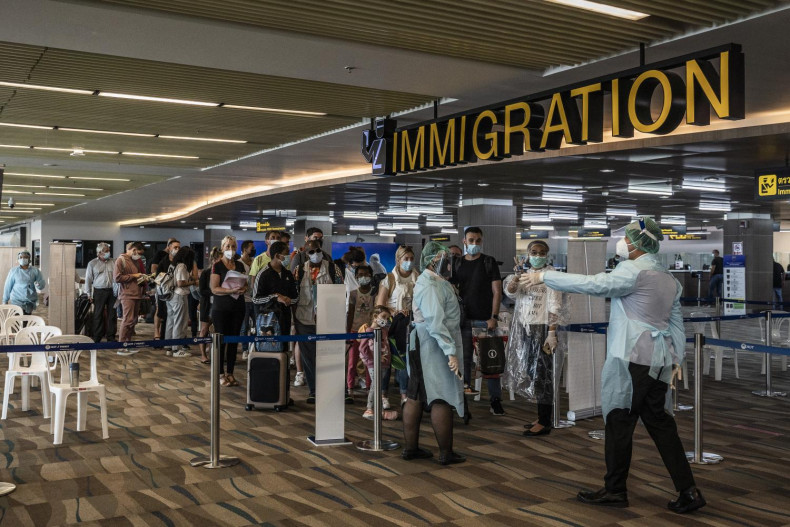
No choice but to open the economy
Oped, Chartchai Parasuk, Published on 14/10/2021
» There are not many countries on this planet that depend on outside markets like Thailand. Exports of goods account for 54% of GDP while foreign tourism income accounts for another 12% -- totaling 66% of GDP. The rest is made up by domestic private consumption.

Don't bet on stimulus saving economy
News, Chartchai Parasuk, Published on 29/08/2019
» You may have read elsewhere that the government's new 316-billion-baht economic stimulus package will not work. I second those opinions but for totally different reasons.
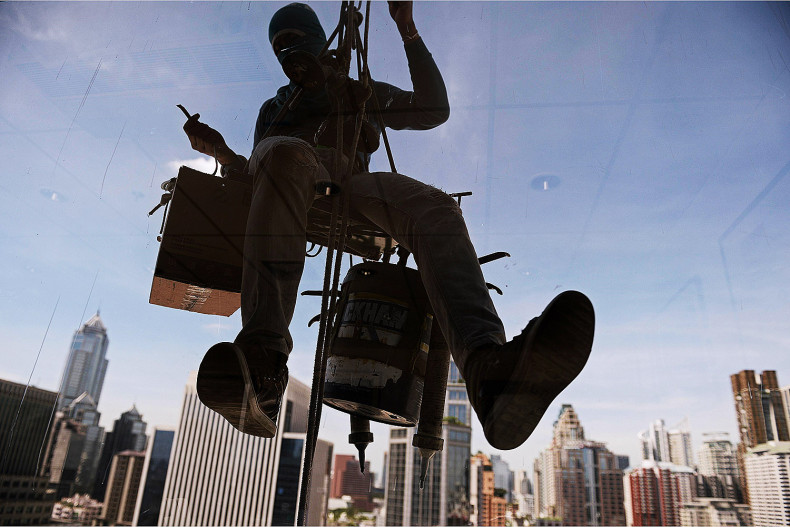
Does Thailand need 'Helicopter Money'?
News, Chartchai Parasuk, Published on 09/05/2019
» I first heard of the term "Helicopter Money" when I was in graduate school studying economics. The concept belongs to a famous Nobel Prize-winning economist, Milton Friedman, and is simple. A government supplies large amounts of money to the public, as if the money is being scattered from a helicopter. People then use the money to buy things.