



Showing 1 - 10 of 10
Some shock therapy or slow healing?
Oped, Chartchai Parasuk, Published on 02/04/2026
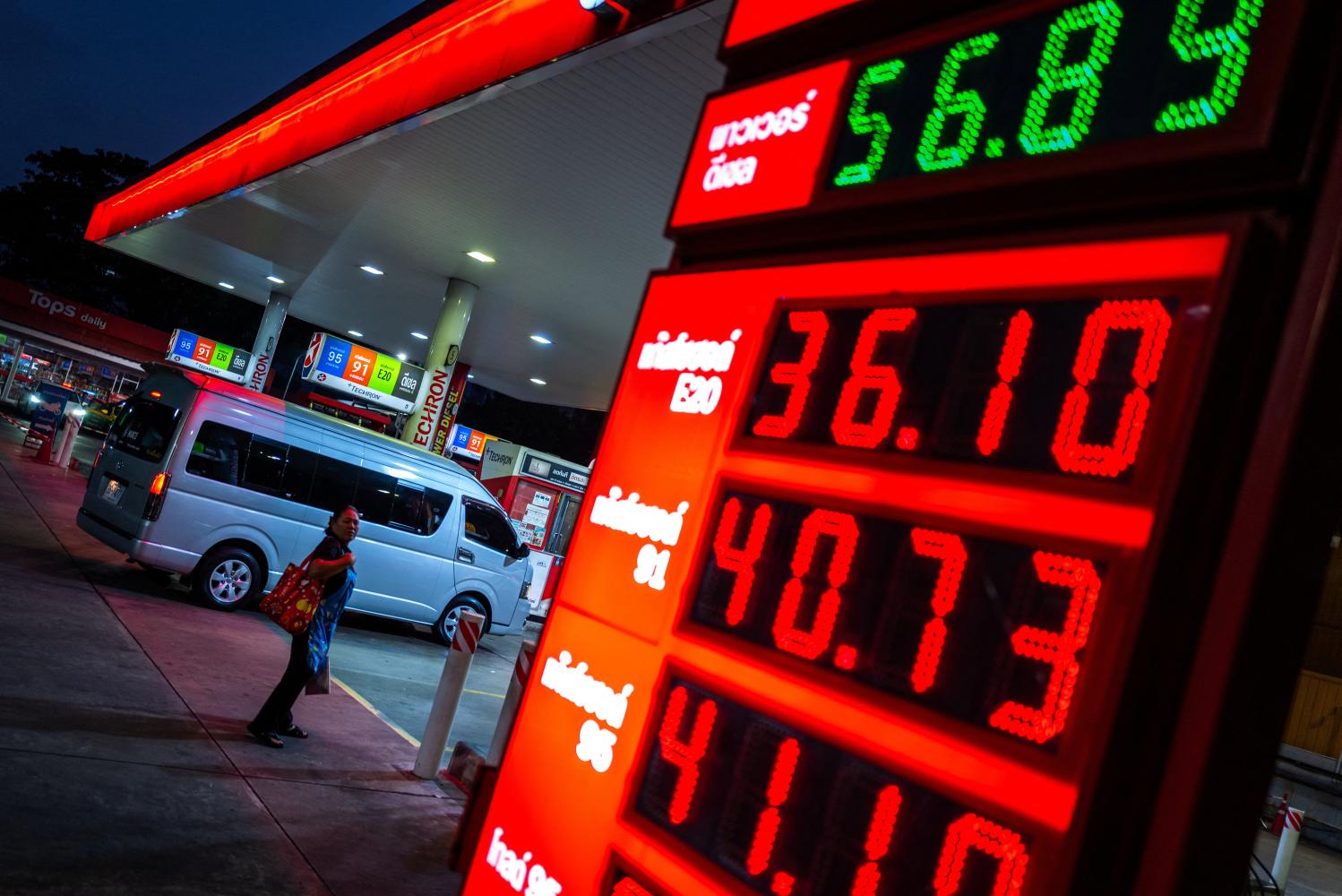
» Do readers prefer shock therapy or slow healing? This is not a health question, but an important economic one.

Risk of crisis growing more acute
Oped, Chartchai Parasuk, Published on 05/03/2026
» This article is a follow-up to my previous piece titled "Fiscal deficit will trigger 2026 crisis". In that article, I argued Thailand's heavy dependence on external liquidity, combined with the government's need for 860 billion baht annually to finance its deficits, would lead to a severe liquidity shortage and, ultimately, a financial crisis.
Fed's rate rises might have way to go yet
Oped, Chartchai Parasuk, Published on 28/07/2022
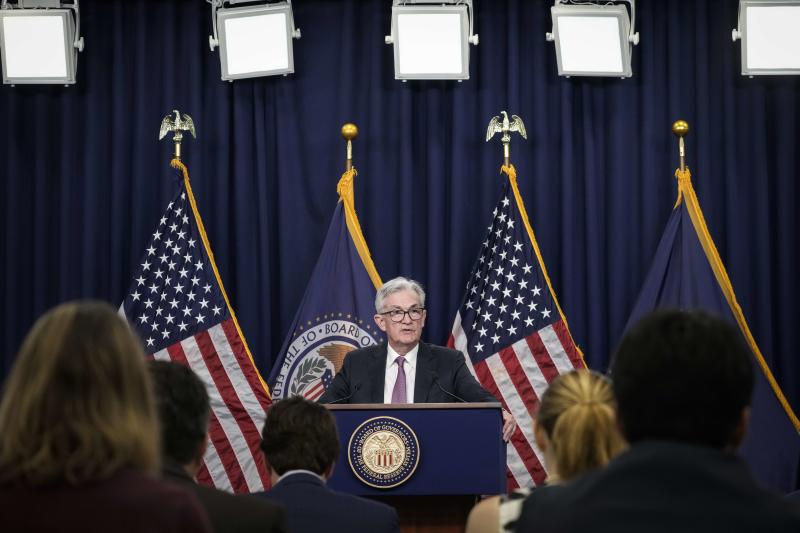
» By the time this article is published, readers will know how much the US Fed funds rate has been raised for the fourth time this year. It does not really matter whether the rate is raised by 0.75% or 1% this time because the Fed will need to keep raising the rate (FFR) until it can effectively control inflation.

Oil price volatility demands tax rethink
Oped, Chartchai Parasuk, Published on 24/03/2022
» We are living in a time of unprecedented oil price volatility. On Feb 8, the world oil price (WTI Crude) was a little less than US$90 (3,030 baht) per barrel (dpb), but a month later the price jumped violently to 124 dpb.

War-hit Russian economy could fold
Oped, Chartchai Parasuk, Published on 10/03/2022
» It is a new kind of war -- economic war. Western allies, led by the United States, United Kingdom and European Union, are imposing trade and financial restrictions on Russia's economic activities. The aim is to freeze Russian assets abroad, paralyse financial transactions, obstruct cross-border trade flow, trigger high inflation and, most of all, provoke massive unemployment.

When an economist meets a psychic
Oped, Chartchai Parasuk, Published on 04/02/2021
» I enjoy reading prophecies. There is one thing fortune tellers and economists have in common: they make predictions. As an economist, I use my knowledge, theories and actual data, to check whether these prophecies make economic sense.

Economy, not rallies, should worry govt
Oped, Chartchai Parasuk, Published on 22/10/2020
» Economics and politics are inseparable. The current nationwide demonstrations against the government might appear to have only political agendas, but the underlying driving force of the burgeoning demonstrations might be economics. The question is "why now?". The prime minister has been in office since early 2019 and, if one counts his previous term, he has been in office since mid-2014. Furthermore, the current constitution has been in effect since 2017.
Lockdown pain worse than virus?
News, Chartchai Parasuk, Published on 23/04/2020
» You have seen it in the news - strings of protests against the Covid-19 lockdowns of cities and countries around the world. Protests ran the gamut from 20 states in the US, to Brazil, India and as far away as Lebanon. To protesters, economic pain is more real than the death threat from the virus. Are these people unreasonable? How could livelihoods be more important than lives?
Stagflation is now a reality for Thailand
News, Chartchai Parasuk, Published on 19/12/2019
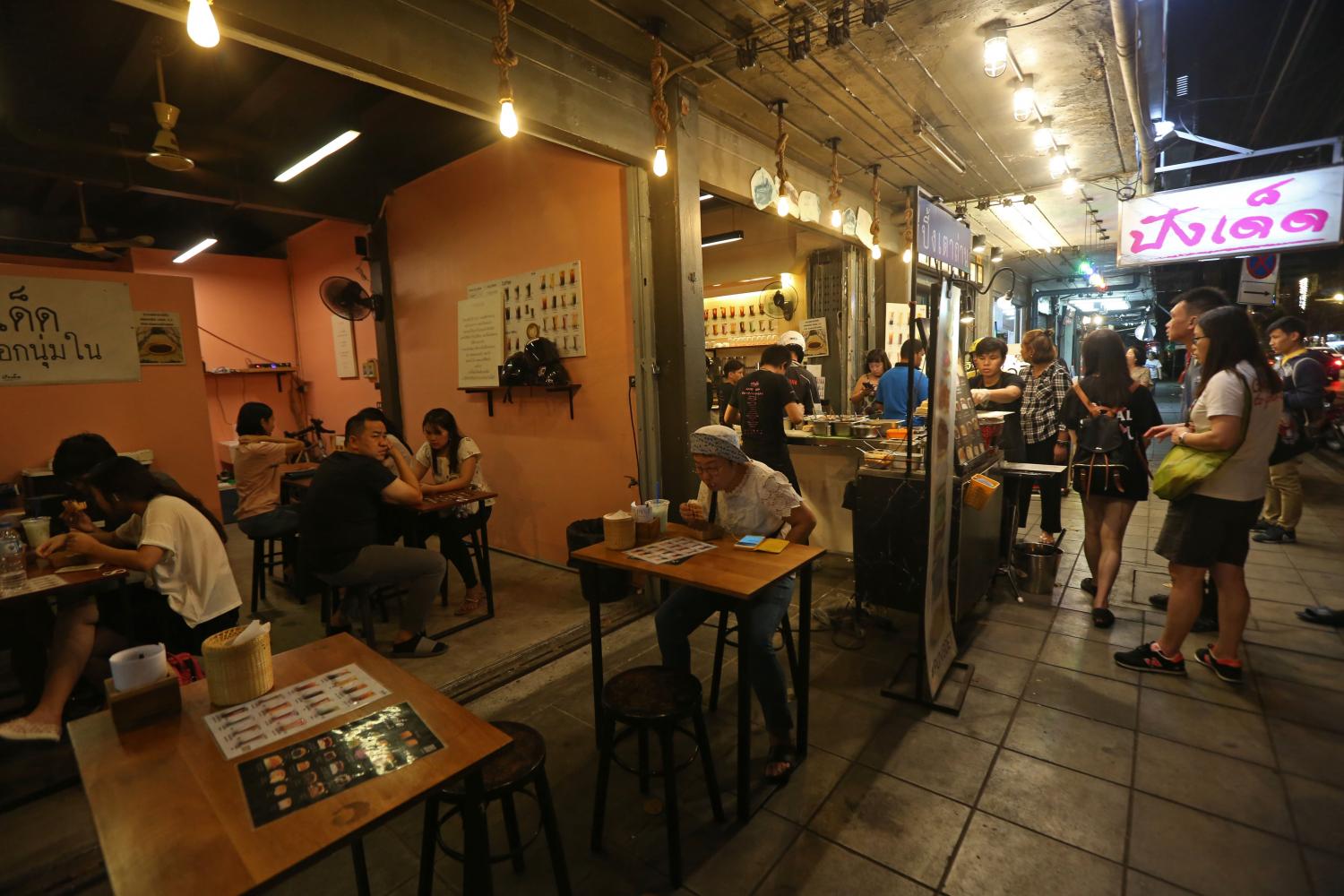
» I first encountered this word, a combination of "stagnation" and "inflation", in an economics textbook. Stagflation depicts an unusual situation whereby an economy experiences both a slowdown and high inflation at the same time. A textbook example is the US economy of the early 1970s, which suffered 9% unemployment along with 12% inflation. The culprit was a doubling of world oil prices which pushed the US economy into a recession and raised the cost of goods and services.

HK protest stems from economic plight
News, Chartchai Parasuk, Published on 15/08/2019
» My column today was supposed to be an analysis of the Thai economic outlook for the remaining half-year of 2019. However, the ongoing massive upheaval in Hong Kong changed my mind.