



Showing 1 - 10 of 10

Thailand now 'the sick man of Asean'
Oped, Chartchai Parasuk, Published on 30/10/2025
» The inspiration for this article comes from the International Monetary Fund's (IMF) World Economic Outlook (WEO) report for the month of October.
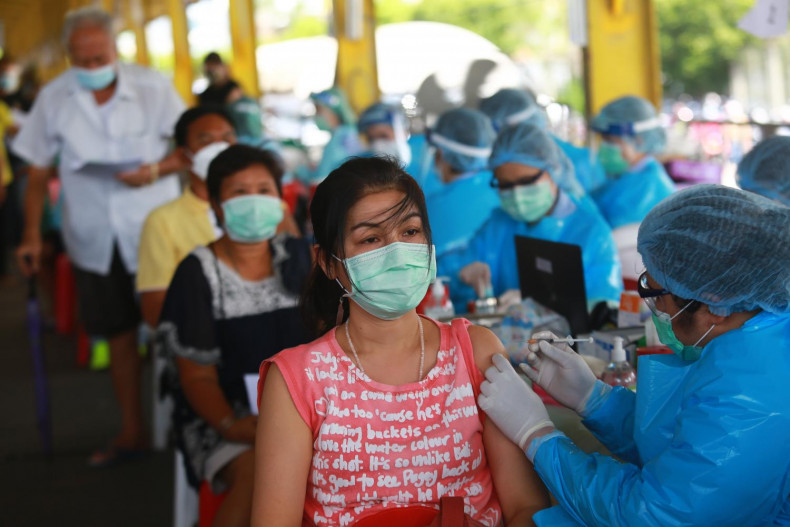
If jabs don't work, we must have Plan B
Oped, Chartchai Parasuk, Published on 24/06/2021
» What would you do if you were a government facing a (rapidly) falling economy, receding tax income, ballooning public and private debts, drying up domestic liquidity, and feeble economic relief programmes?

A long road to recovery for Thailand
Oped, Chartchai Parasuk, Published on 10/06/2021
» The OECD (Organisation for Economic Co-operation and Development) in last December's forecast raised its global GDP growth forecast for 2021 from 4.2% to 5.8% as of May 2021, primarily due to the achievement of Covid-19 vaccine rollout in developed nations. The GDP growth rate for the US is estimated to be as high as 6.9% this year -- an admirable rise from a contraction of 3.5% last year. The US is not the only economy that benefits from a quick vaccine rollout. The UK economy is projected to grow at an even higher rate of 7.5% in 2021 as more than 40% of its population has been fully vaccinated and about 60% of its population received at least one dose.
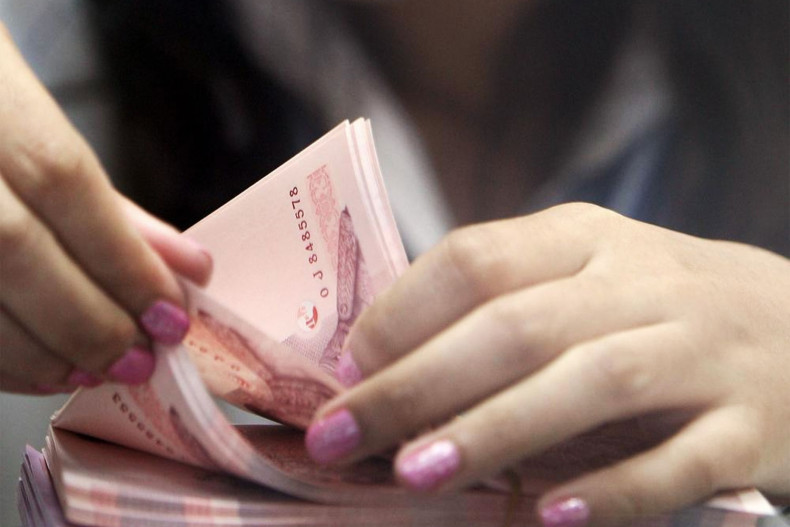
Money just does not fall from heaven
Oped, Chartchai Parasuk, Published on 21/01/2021
» It is a pitiful dilemma, isn't it? When the economy is in a bad shape, you want the government to spend money (more money, and lots of money) to help shore up the economy. Like we are seeing in our country now. Alas, by spending money (more money, and lots of money), the government itself induces another kind of economic crisis -- a liquidity crisis.

Not looking like Xmas this year, or next
Oped, Chartchai Parasuk, Published on 03/12/2020
» Everybody has high hopes for the year 2021. Stock markets seem to think so. The Dow Jones Industrial average started the year at around the 29,000 mark and dropped by one-third to 20,000 when Covid-19 became a global threat in late March. Today, despite the second, third, and fourth rounds of outbreaks around the globe, Dow Jones is approaching the 30,000 mark.

The economy is sick and pills won't do
Oped, Chartchai Parasuk, Published on 02/07/2020
» Picture this: Your name is "Mr Thai Economy", and you have contracted the coronavirus in late January. After a close examination in March, doctors (the Bank of Thailand) said your health is of deep concern as GDP growth could go as low as -5.3%.

It's time to face grim Covid-19 reality
News, Chartchai Parasuk, Published on 07/05/2020
» At the onset of the coronavirus outbreak, there emerged an outbreak containment option called "Hurt and then ending" which in Thai is jeb tae jop. The complete lockdown of Wuhan was a prime example of that. In Thailand, the lockdown measure was first implemented in Buri Ram before it become a standard practice nationwide. The effectiveness of the measures varies across the globe -- from a seemingly complete success story in Wuhan to a not-yet sustained success in Spain, to a success and then failure in Singapore. I do not think anybody doubts the effectiveness of the lockdown on controlling the outbreak, but many, including myself, are starting to come out and question the cost of lockdown, which I have previously mentioned.
Covid-19 stimulus may sink economy
Oped, Chartchai Parasuk, Published on 09/04/2020
» It is undeniable the Covid-19 outbreak is wreaking havoc on economies worldwide. To lessen the pain on their citizens and prevent economic free-fall into the recession trap, most governments are rolling out stimulus packages, typically consisting of cash handouts, wage compensation and concessional loans.

Can economy weather Covid-19 storm?
News, Chartchai Parasuk, Published on 27/02/2020
» As of Wednesday, there were 80,991 confirmed cases of the Wuhan coronavirus known as Covid-19, spread across 41 countries and territories. But explaining health issues is not the purpose of this article. I will leave that to medical and infection experts. The purpose here is to determine the economic impacts of the spread of Covid-19, particularly on the Thai economy.
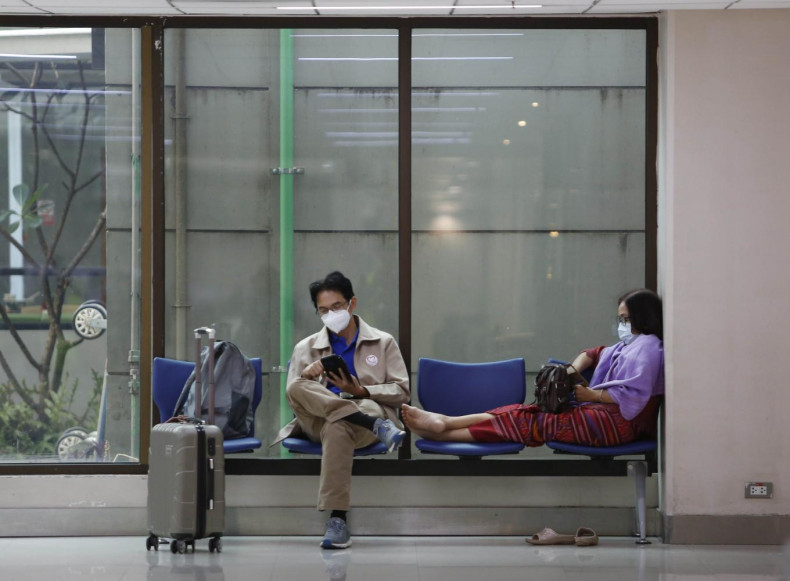
Coronavirus economic blow will be long-lasting
News, Chartchai Parasuk, Published on 13/02/2020
» Even though the coronavirus outbreak isn't over yet, economists are already counting the damage. Research houses estimate that China's gross domestic product (GDP) growth in the first quarter of this year could be less than 4% -- a sharp drop from the usual 6%-plus growth rate. Of course, the economic impact won't be limited to China, as its GDP represents more than 20% of the world economy.