



Showing 1 - 10 of 14

2026 will be a year of debt struggles
Oped, Chartchai Parasuk, Published on 08/01/2026
» Forget GDP growth. Forget tourist arrivals. Forget export figures. In 2026, Thailand's overriding economic challenge will not be growth but debt repayment.

VAT hikes alone won't narrow deficit
Oped, Chartchai Parasuk, Published on 27/11/2025
» This article is not meant to attack Finance Minister Ekniti Nitithanprapas’s Medium-Term Fiscal Framework (MTFF) for the fiscal years from 2026 to 2030. It is meant to emphasise the fragility of a Thai fiscal position that requires multiple revenue enhancement measures.

Thai-US trade talks are likely to fail
Oped, Chartchai Parasuk, Published on 15/05/2025
» Don't get too excited over news the temporary trade deal between China and the US will mean friendly negotiations with other countries. The US government still aims for higher import tax income to narrow its monstrous fiscal deficit. As explained in a previous article, Donald Trump would love to see an average tariff rate of around 20% or higher on imports. Higher customs revenue already allowed the US to achieve a budget surplus of US$258 billion (8.5 trillion baht) in April. The figure incorporates only a 10% universal tariff, as full reciprocal tariffs were postponed for 90 days from April 8. Just imagine how nice the US budget position would be with 20% or more import tariff revenue?

The economy is waiting to hit an iceberg
Oped, Chartchai Parasuk, Published on 20/03/2025
» This is not a scene from the 1997 film Titanic. On the evening of April 14th 1912, a small Canadian fishing boat, skippered by a French-Canadian captain called "Jacques-Chai", approached the Titanic wanting to convey a very important message to Captain Edward Smith. The message was that there was a sea of icebergs, one was particularly big, about 200 miles ahead.

Little cause for optimism in year ahead
News, Chartchai Parasuk, Published on 09/01/2025
» One would expect the first article of the year to be about economic predictions. I will certainly do that but not in today's article. It will be in my next one. The reason being that my predictions will not be as positive as those of others.

GDP figures don't reflect real situation
Oped, Chartchai Parasuk, Published on 26/12/2024
» This article is the last for 2024. I have made many bad predictions about the Thai economy throughout the year. Many became true, like the contracting credit market, the NPL explosion, and an ineffective cash handout programme. Many have not become true (or have they?). One was GDP growth. Instead of shrinking as I predicted, GDP growth rates improved from quarter to quarter. They were 1.6% for Q1, 2.2% for Q2, and 3.0% for Q3. And it is expected to be 3.5% for Q4 to fulfil the annual 2.6% growth projection.

Zombie banking deepens economic woes
News, Chartchai Parasuk, Published on 19/09/2024
» This is the second of three articles, following the earlier article "Problems with Dr Thaksin's Visions". The series will end with an article titled "Call for a paradigm shift".

Deflation might be here, that's not good
Oped, Chartchai Parasuk, Published on 20/07/2023
» Read this article well. It will explain the risk of economic recession that Thailand is facing.

Thai economic prospects far from rosy
Oped, Chartchai Parasuk, Published on 09/02/2023
» Logically, one would imagine that 2023 would be a much better year than 2022. Covid is over in every corner of the earth and economic activities resume. The world oil price is below US$80 (2,677 baht) per barrel and inflation is coming down. At the first meeting of 2023, the Fed raises interest rates to merely 25 basis points as opposed to the 50-75 basis points for each meeting in 2022.
World economy downhill from here
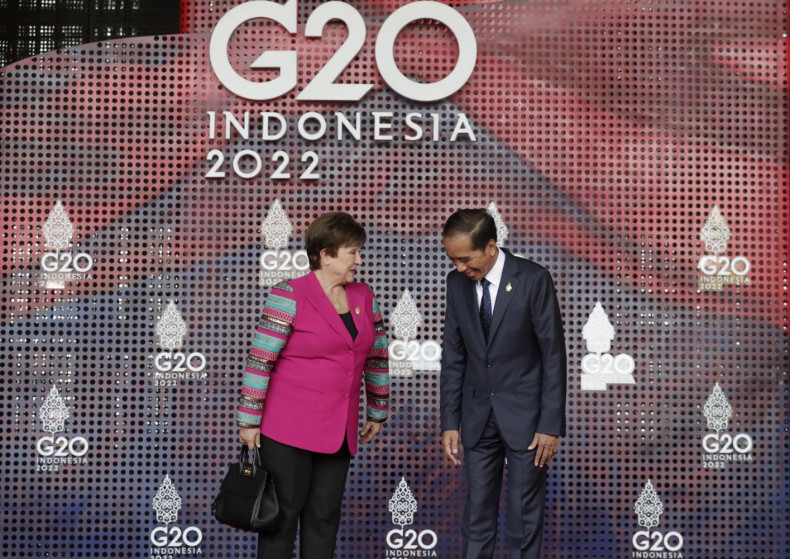
Oped, Chartchai Parasuk, Published on 17/11/2022
» When I planned for this week's article, I wanted to write about the illusions of today's economic picture such as the robust GDP growth in emerging economies, declining inflation rates, booming travel business, strengthening of the Thai baht, and so on. But even with the economic data and theories to back up my claims, who would believe me? Who would believe that the current robust demand is nothing but an example of short-term, pent-up demand after two years of the Covid-19 outbreak? Who would consider the fact that consumers have no increased purchasing power to sustain today's level of consumption? Most of all, who would imagine that things would change drastically in the fourth quarter after consumers face the reality of a higher cost of living and stagnant income?