



Showing 1 - 10 of 78
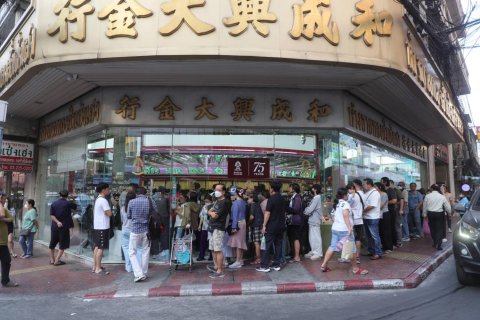
In an uncertain world, gold is a comfort
Oped, Chartchai Parasuk, Published on 05/02/2026
» With Thai citizens heading to the polls this Sunday to decide which party will form the next government, I have decided to postpone my article on the economic crisis for another two weeks.
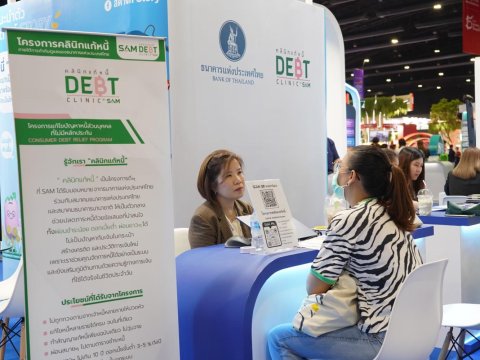
Thailand must manage debt to progress
Oped, Chartchai Parasuk, Published on 22/01/2026
» This article may be read as a continuation of my previous piece, Year of the Debt. That article focused mainly on household debt, which has already risen beyond the ability of Thai consumers to repay.
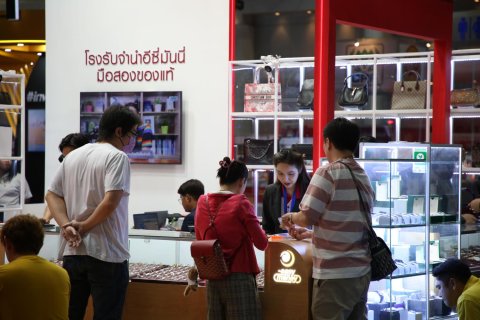
2026 will be a year of debt struggles
Oped, Chartchai Parasuk, Published on 08/01/2026
» Forget GDP growth. Forget tourist arrivals. Forget export figures. In 2026, Thailand's overriding economic challenge will not be growth but debt repayment.

VAT hikes alone won't narrow deficit
Oped, Chartchai Parasuk, Published on 27/11/2025
» This article is not meant to attack Finance Minister Ekniti Nitithanprapas’s Medium-Term Fiscal Framework (MTFF) for the fiscal years from 2026 to 2030. It is meant to emphasise the fragility of a Thai fiscal position that requires multiple revenue enhancement measures.

Thailand now 'the sick man of Asean'
Oped, Chartchai Parasuk, Published on 30/10/2025
» The inspiration for this article comes from the International Monetary Fund's (IMF) World Economic Outlook (WEO) report for the month of October.
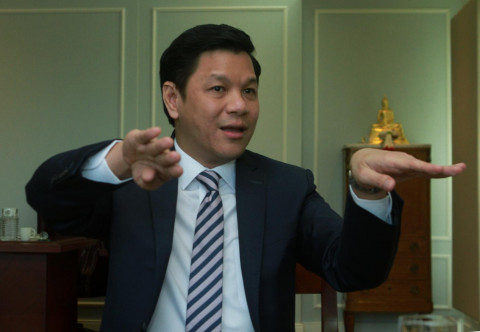
Problems await the new BoT governor
Oped, Chartchai Parasuk, Published on 04/09/2025
» The first problem incoming Bank of Thailand (BoT) governor Vitai Ratanakorn will face is political uncertainty.
1% GDP growth impacts will be severe
Oped, Chartchai Parasuk, Published on 21/08/2025
» Where did I get the idea that GDP growth in the second half of 2025 would only be 1.0%? The answer is the government, as the National Economic and Social Development Council (NESDC) told me so.
Don't let politics mask economic woes
Oped, Chartchai Parasuk, Published on 26/06/2025
» As if economic problems in Thailand are not bad enough, political issues add to the complications. The worst is the split in the coalition. Even with an overwhelming majority of 314 (out of 493 parliamentary seats) prior to the break-up, the government could not push for many major policies, including the 10,000 baht cash handout scheme.

Thai-US trade talks are likely to fail
Oped, Chartchai Parasuk, Published on 15/05/2025
» Don't get too excited over news the temporary trade deal between China and the US will mean friendly negotiations with other countries. The US government still aims for higher import tax income to narrow its monstrous fiscal deficit. As explained in a previous article, Donald Trump would love to see an average tariff rate of around 20% or higher on imports. Higher customs revenue already allowed the US to achieve a budget surplus of US$258 billion (8.5 trillion baht) in April. The figure incorporates only a 10% universal tariff, as full reciprocal tariffs were postponed for 90 days from April 8. Just imagine how nice the US budget position would be with 20% or more import tariff revenue?
Trump's tariff trade war is no accident
Oped, Chartchai Parasuk, Published on 01/05/2025
» President Donald Trump's tariff policy has received numerous criticisms from various parties, including several Nobel Prize laureates, for being against the economic principles of free trade.