



Showing 1 - 10 of 15
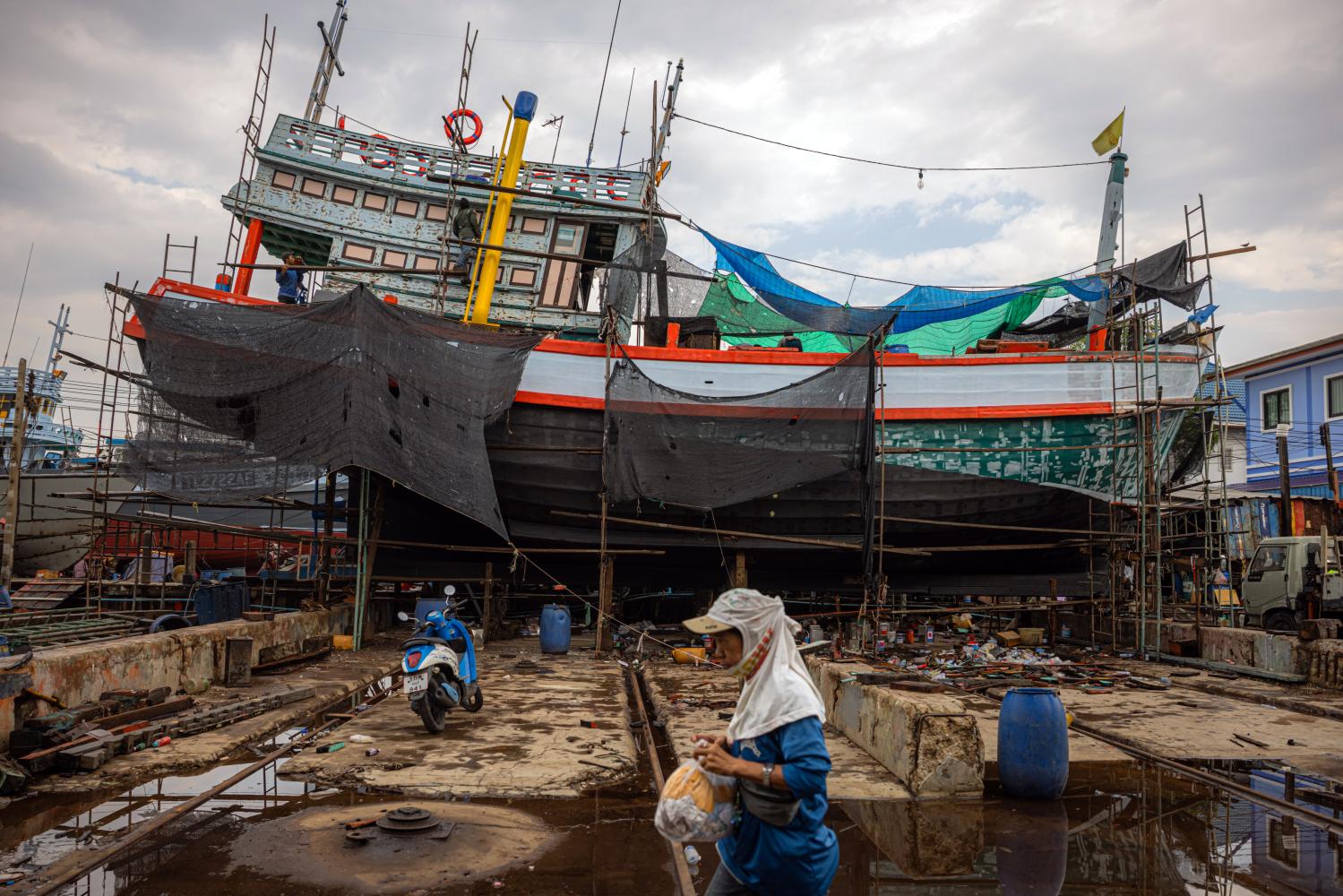
Oil shock risks wider chain reaction
Oped, Chartchai Parasuk, Published on 16/04/2026
» There is no such thing as a free lunch. When global oil prices rise sharply, as they are doing now, someone must bear the cost. Some countries choose to absorb it through government support, as in Japan, while others pass the burden on to consumers, as in Thailand. Neither approach is inherently right or wrong; each carries different economic consequences. Policymakers must decide which set of outcomes is more acceptable and act accordingly.
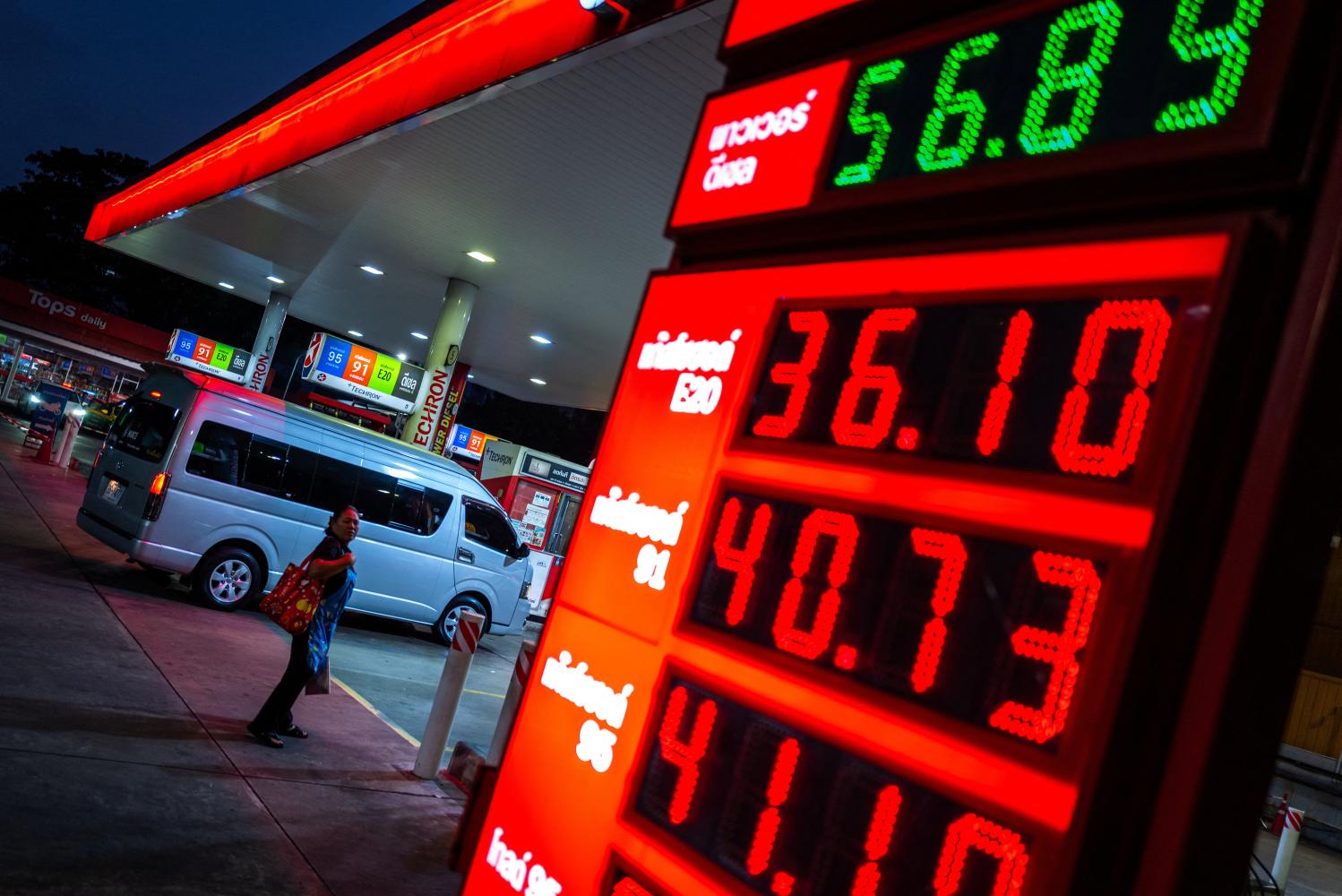
Some shock therapy or slow healing?
Oped, Chartchai Parasuk, Published on 02/04/2026
» Do readers prefer shock therapy or slow healing? This is not a health question, but an important economic one.

Household debt plan has many flaws
Oped, Chartchai Parasuk, Published on 28/11/2024
» It is unanimously agreed that household debt is one of the major economic problems of Thailand. Non-performing loans (NPL) from household debt amount to 1.2 trillion baht according to the National Credit Bureau (NCB). If it includes Special Mentioned (SM) debt (31-90 days of default), the bad debt level would rise to 1.7 trillion baht, or about 12.3% of total household debt outstanding.

Digital wallet tokens could hit scheme
Oped, Chartchai Parasuk, Published on 08/08/2024
» I bet the government never thought of this when they thought of the Digital Wallet scheme. It probably does not make sense to it that there could be millions of people shunning pseudo money, namely Digital Wallet Tokens (DWTs). Perhaps, in the government's mind, a DWT is almost on a par with genuine money -- fiat money.
Thai economic prospects far from rosy
Oped, Chartchai Parasuk, Published on 09/02/2023
» Logically, one would imagine that 2023 would be a much better year than 2022. Covid is over in every corner of the earth and economic activities resume. The world oil price is below US$80 (2,677 baht) per barrel and inflation is coming down. At the first meeting of 2023, the Fed raises interest rates to merely 25 basis points as opposed to the 50-75 basis points for each meeting in 2022.

Economic risks to watch out for in 2023
Oped, Chartchai Parasuk, Published on 29/12/2022
» The world will end 2022 with big celebrations. Yet not because of robust economic growth, as growth this year is projected to be only 3.2% -- following the International Monetary Fund's (IMF) recent projections -- compared to 6.0% growth in 2021.

How are Thais spending so much now?
Oped, Chartchai Parasuk, Published on 01/12/2022
» Third-quarter GDP growth for 2022 (Q3/2022) is 4.5% -- substantially higher than the expected 4%. The main driving factor is robust private consumption -- not tourism income -- which expanded 9% in real terms and 15.7% in nominal terms, compared to the same quarter last year. On the surface, this high growth phenomenon may look normal as most Asean countries have enjoyed similar benefits of low Covid infections and pent-up demand. For instance, Malaysia's private consumption also expanded 15.7% in the same third quarter.

World economy downhill from here
Oped, Chartchai Parasuk, Published on 17/11/2022
» When I planned for this week's article, I wanted to write about the illusions of today's economic picture such as the robust GDP growth in emerging economies, declining inflation rates, booming travel business, strengthening of the Thai baht, and so on. But even with the economic data and theories to back up my claims, who would believe me? Who would believe that the current robust demand is nothing but an example of short-term, pent-up demand after two years of the Covid-19 outbreak? Who would consider the fact that consumers have no increased purchasing power to sustain today's level of consumption? Most of all, who would imagine that things would change drastically in the fourth quarter after consumers face the reality of a higher cost of living and stagnant income?
Thai economic contraction beckons
News, Chartchai Parasuk, Published on 25/08/2022
» Why does the Thai economy risk facing an economic contraction in the second half of this year? The answer is simple.

No choice but to open the economy
Oped, Chartchai Parasuk, Published on 14/10/2021
» There are not many countries on this planet that depend on outside markets like Thailand. Exports of goods account for 54% of GDP while foreign tourism income accounts for another 12% -- totaling 66% of GDP. The rest is made up by domestic private consumption.