



Showing 1 - 10 of 60
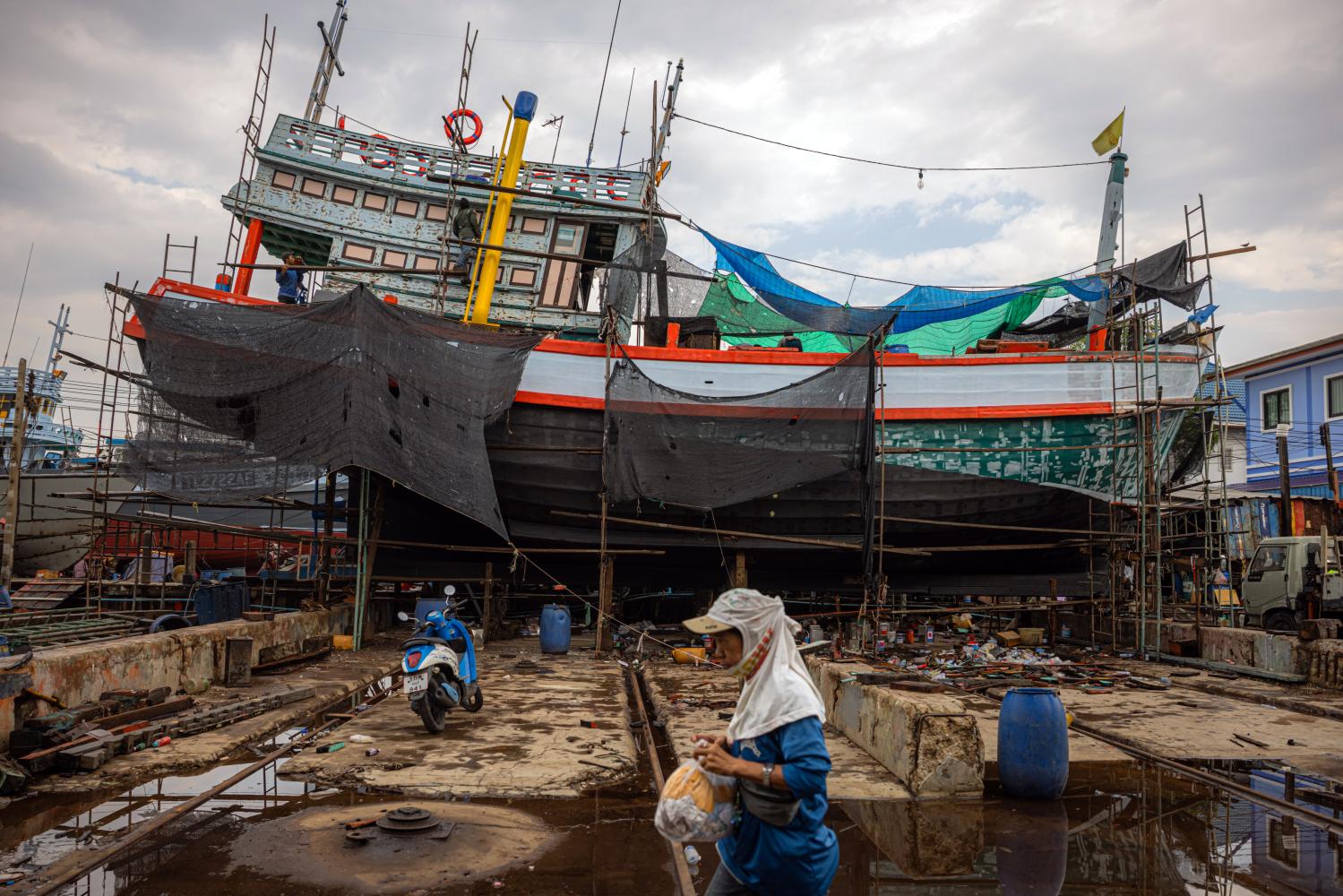
Oil shock risks wider chain reaction
Oped, Chartchai Parasuk, Published on 16/04/2026
» There is no such thing as a free lunch. When global oil prices rise sharply, as they are doing now, someone must bear the cost. Some countries choose to absorb it through government support, as in Japan, while others pass the burden on to consumers, as in Thailand. Neither approach is inherently right or wrong; each carries different economic consequences. Policymakers must decide which set of outcomes is more acceptable and act accordingly.
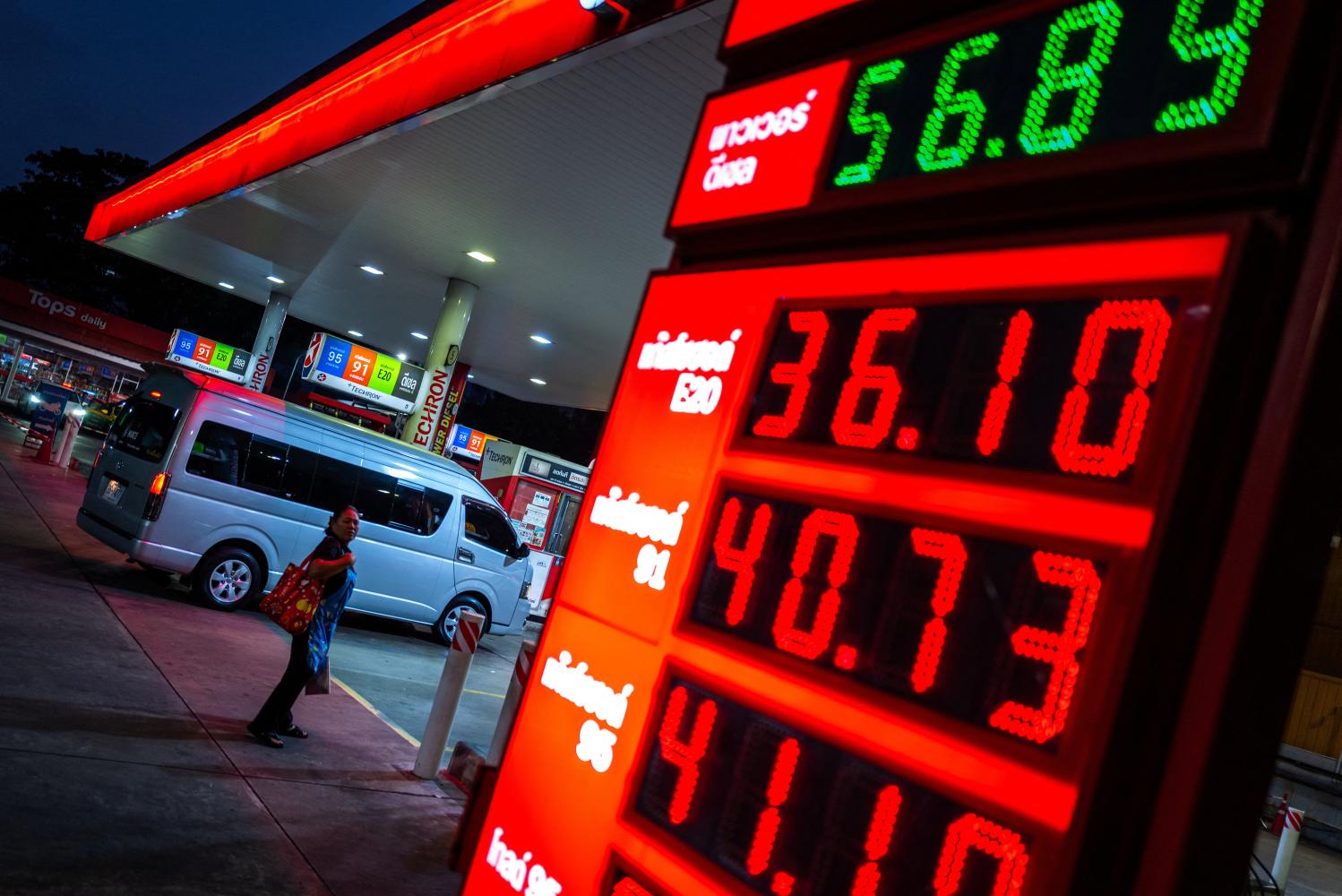
Some shock therapy or slow healing?
Oped, Chartchai Parasuk, Published on 02/04/2026
» Do readers prefer shock therapy or slow healing? This is not a health question, but an important economic one.

Risk of crisis growing more acute
Oped, Chartchai Parasuk, Published on 05/03/2026
» This article is a follow-up to my previous piece titled "Fiscal deficit will trigger 2026 crisis". In that article, I argued Thailand's heavy dependence on external liquidity, combined with the government's need for 860 billion baht annually to finance its deficits, would lead to a severe liquidity shortage and, ultimately, a financial crisis.
Fiscal deficit will trigger 2026 crisis
Oped, Chartchai Parasuk, Published on 19/02/2026
» If readers want to be fully convinced that there will be a financial crisis in 2026, I can do that in three minutes. Readers need only look at the last two columns of the attached table, which depict the financing situation of the Thai economy in 2025 (actual) and 2026 (projected).
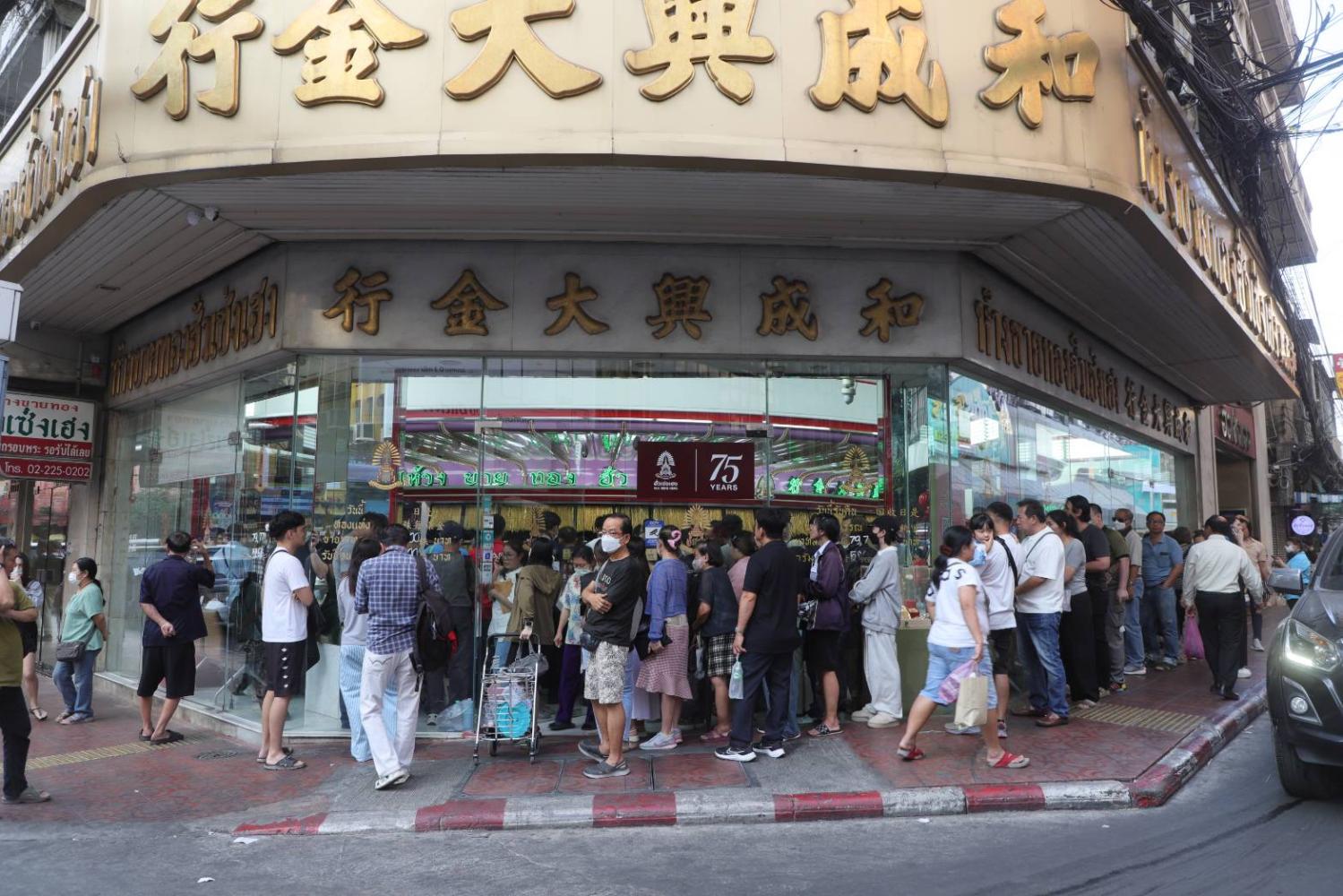
In an uncertain world, gold is a comfort
Oped, Chartchai Parasuk, Published on 05/02/2026
» With Thai citizens heading to the polls this Sunday to decide which party will form the next government, I have decided to postpone my article on the economic crisis for another two weeks.

Thailand must manage debt to progress
Oped, Chartchai Parasuk, Published on 22/01/2026
» This article may be read as a continuation of my previous piece, Year of the Debt. That article focused mainly on household debt, which has already risen beyond the ability of Thai consumers to repay.
Is a return to gold standard possible?
Oped, Chartchai Parasuk, Published on 11/12/2025
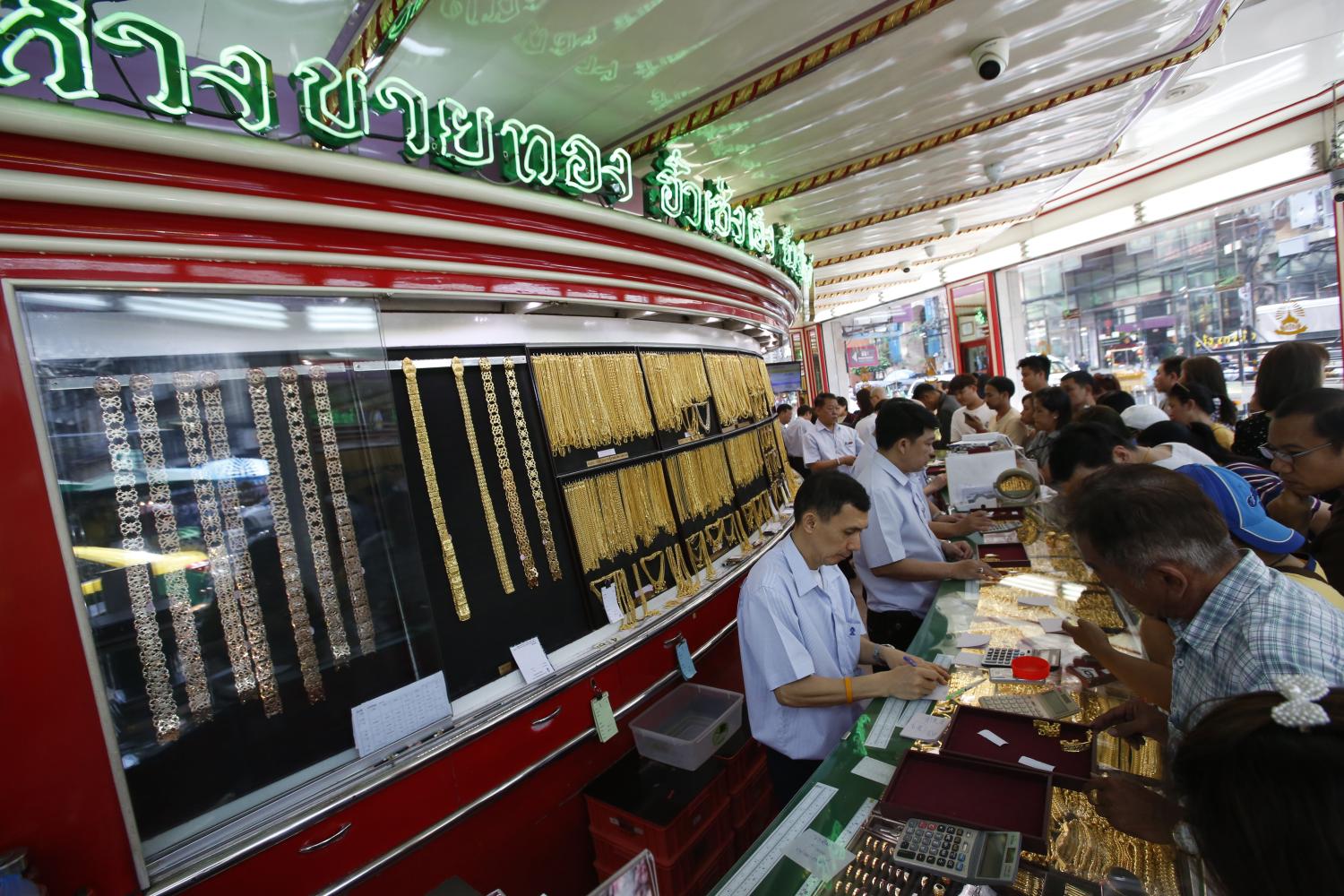
» We are now in the middle of the holiday season. Therefore, I will refrain from writing about heavy and depressing issues like the Thai economy and the outlook for 2026 and beyond. In this moment of joy, I will write about the possibility of returning to the gold standard, which some supporters say can be seen in central banks aggressively buying gold bullion to replace the dubious US dollar. The last article of the year will be about the Sovereign Wealth Fund (SWF).

VAT hikes alone won't narrow deficit
Oped, Chartchai Parasuk, Published on 27/11/2025
» This article is not meant to attack Finance Minister Ekniti Nitithanprapas’s Medium-Term Fiscal Framework (MTFF) for the fiscal years from 2026 to 2030. It is meant to emphasise the fragility of a Thai fiscal position that requires multiple revenue enhancement measures.
Problems await the new BoT governor
Oped, Chartchai Parasuk, Published on 04/09/2025
» The first problem incoming Bank of Thailand (BoT) governor Vitai Ratanakorn will face is political uncertainty.

Thai-US trade talks are likely to fail
Oped, Chartchai Parasuk, Published on 15/05/2025
» Don't get too excited over news the temporary trade deal between China and the US will mean friendly negotiations with other countries. The US government still aims for higher import tax income to narrow its monstrous fiscal deficit. As explained in a previous article, Donald Trump would love to see an average tariff rate of around 20% or higher on imports. Higher customs revenue already allowed the US to achieve a budget surplus of US$258 billion (8.5 trillion baht) in April. The figure incorporates only a 10% universal tariff, as full reciprocal tariffs were postponed for 90 days from April 8. Just imagine how nice the US budget position would be with 20% or more import tariff revenue?