



Showing 1 - 10 of 14
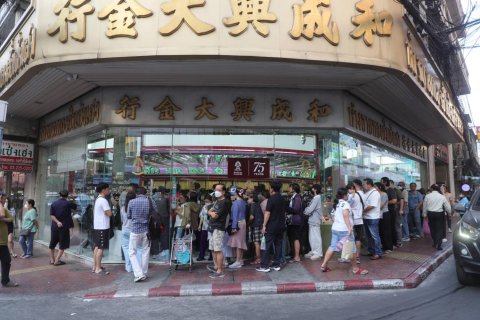
In an uncertain world, gold is a comfort
Oped, Chartchai Parasuk, Published on 05/02/2026
» With Thai citizens heading to the polls this Sunday to decide which party will form the next government, I have decided to postpone my article on the economic crisis for another two weeks.
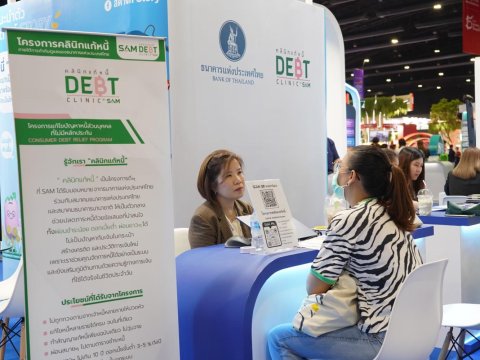
Thailand must manage debt to progress
Oped, Chartchai Parasuk, Published on 22/01/2026
» This article may be read as a continuation of my previous piece, Year of the Debt. That article focused mainly on household debt, which has already risen beyond the ability of Thai consumers to repay.

VAT hikes alone won't narrow deficit
Oped, Chartchai Parasuk, Published on 27/11/2025
» This article is not meant to attack Finance Minister Ekniti Nitithanprapas’s Medium-Term Fiscal Framework (MTFF) for the fiscal years from 2026 to 2030. It is meant to emphasise the fragility of a Thai fiscal position that requires multiple revenue enhancement measures.

Thailand now 'the sick man of Asean'
Oped, Chartchai Parasuk, Published on 30/10/2025
» The inspiration for this article comes from the International Monetary Fund's (IMF) World Economic Outlook (WEO) report for the month of October.

Govt may not have stimulus plan tools
News, Chartchai Parasuk, Published on 16/10/2025
» Nowadays, governments around the world sound like movie production houses. They always come up with catchy slogans for their policies, like Donald Trump's Big Beautiful Bill.
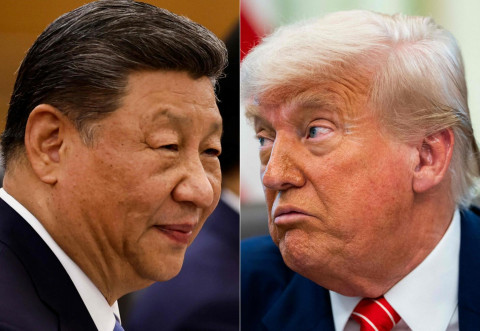
Dealing with Trump is half the story
Oped, Chartchai Parasuk, Published on 07/08/2025
» This will be an eye-opening article. It is an analysis that readers have not read anywhere. No one seems to realise that after a mega-earthquake in the ocean, giant tsunamis will always follow. If Donald Trump's reciprocal tariffs are comparable to a mega economic earthquake, President Xi Jinping's reactions will have the impact of a giant economic tsunami.

Digital wallet scheme poses credit risk
Oped, Chartchai Parasuk, Published on 25/07/2024
» During the debate on the extra-fiscal budget for 2024 of 1.22 billion baht to fund the digital wallet (DW) scheme, the government presented the bright side of the figurative coin. This article will present the dark side of the scheme.

Structural flaws impede our economy
Oped, Chartchai Parasuk, Published on 21/03/2024
» It took Japan 17 years to learn that a macroeconomic policy is for stabilising an economy, not stimulating growth. Due to low economic growth in the "lost decade" following the financial crisis in the autumn of 1997, the Bank of Japan adopted an unthinkable monetary policy of a negative interest rate in 2007 by pushing the short-term policy rate down to -0.1%.

Downsides to digital cash handout plan
Oped, Chartchai Parasuk, Published on 21/09/2023
» I announced in a previous article that today's story would focus on liquidity and debt. But after careful consideration, I have decided to postpone this for another fortnight. The main reason being that I want to wait for the Bank of Thailand's economic data release for August due out on Sept 29.

A new middle class and core industries
Oped, Chartchai Parasuk, Published on 04/05/2023
» This article, after a few interruptions, is Part 3 of "Changing Thailand: The Series." It began with a prologue that presented an overview, emphasising that Thailand has been lagging behind its neighbours in terms of per-capita income growth.