



Showing 1 - 3 of 3

SEA eyes next 20 years of US-China ties
Oped, Kavi Chongkittavorn, Published on 21/05/2024
» What will Southeast Asia be like over the next two decades? Given the unpredictable geopolitical situation, the region will certainly maintain its strategic autonomy in ways that mitigate the ripple effects of the emerging new international order. The multipolar world will be a new ballgame that Southeast Asia has to grapple with. Interestingly, the region's countries also realise that the competition between the US and China is not likely to subside given the tit-for-tat measures they have been conducting with each other. Under such circumstances, what role or leadership can Southeast Asia provide under the Asean roof to ensure that the region will not be marginalised or weaponised? To be precise, how can Asean avoid becoming a pawn in the US-China whirlpool?
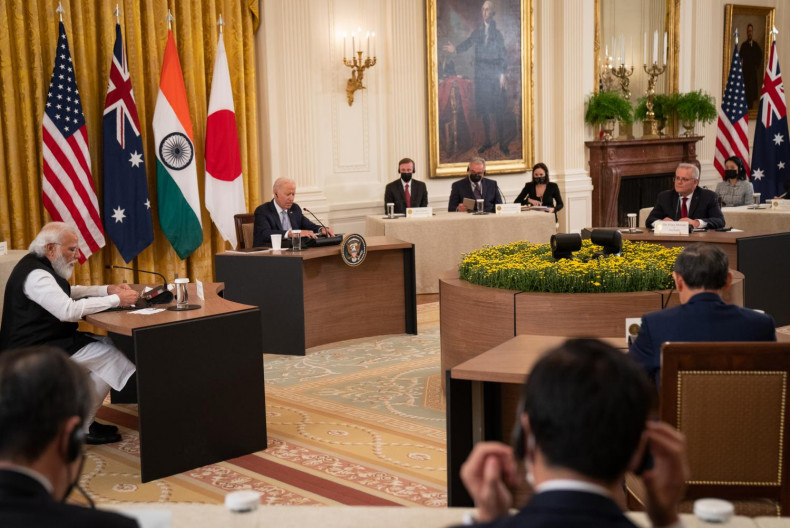
Asean can live with Quad and Aukus
News, Kavi Chongkittavorn, Published on 05/10/2021
» The current strategic situation is not quite the same as Asean faced in its early days, but there are several similar characteristics. The rivalry between the two then superpowers -- the US and the former Soviet Union -- was visible and rising incrementally and would soon reach its peak. Fuelling the enmity was their ideological differences -- free world versus orthodox communism. Today, the fight is about technological supremacy and governance.
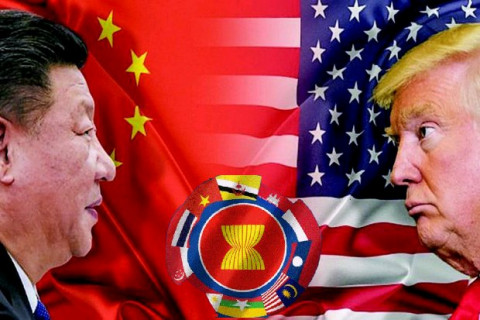
Beyond US-China spat: Asean's options
News, Kavi Chongkittavorn, Published on 05/02/2019
» Despite all the pleasantries in Washington, DC surrounding the latest US-China trade talks over the past week, the rivalry between the world's two largest economies will not subside anytime soon. For years, US-China relations have been on top of the agenda in most of the countries in the Southeast Asian region, but never before have those ties stooped to the present level of animosity.