



Showing 1 - 10 of 35
Thailand's responses to Board of Peace
Oped, Kavi Chongkittavorn, Published on 27/01/2026
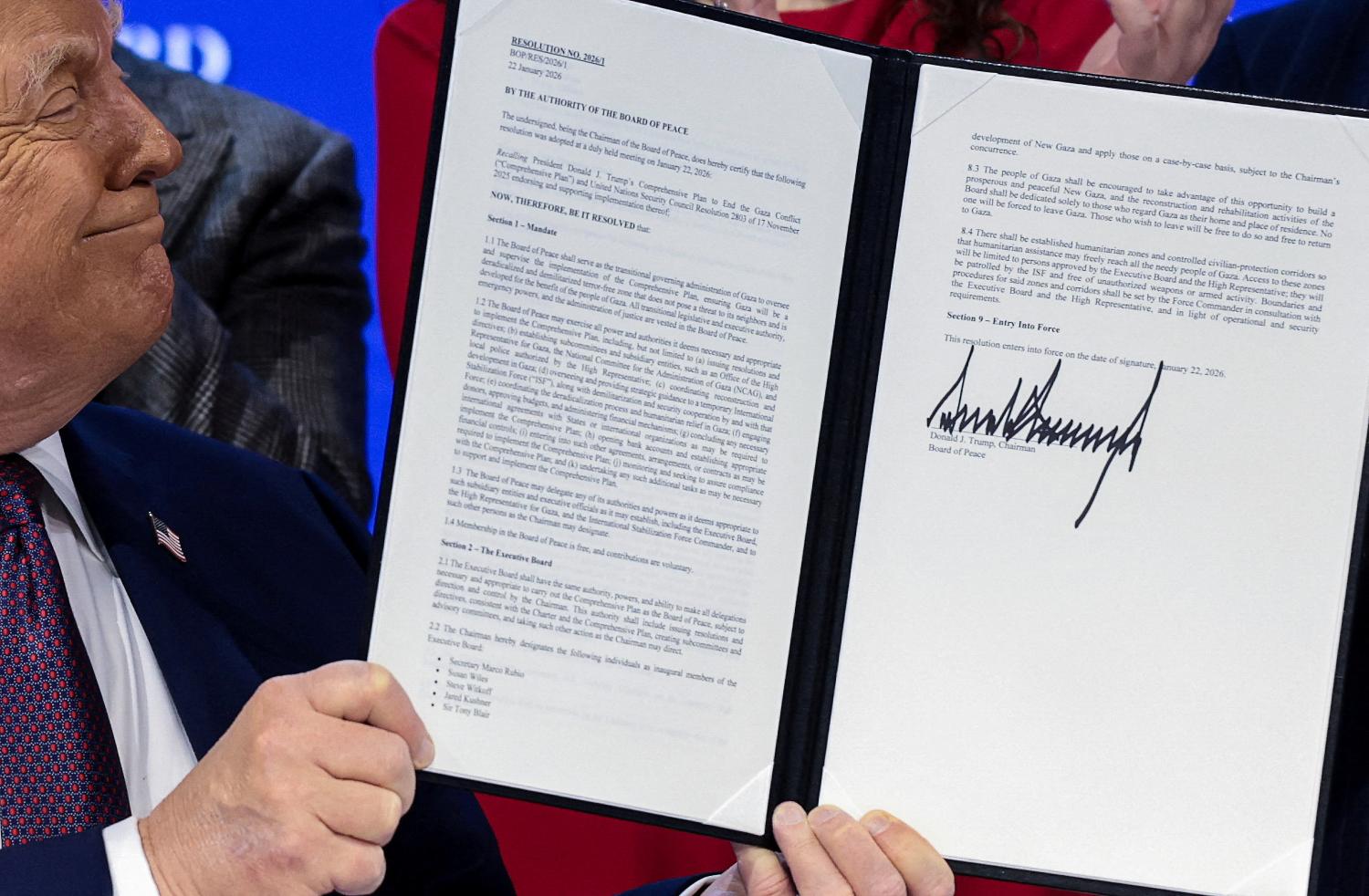
» US President Donald Trump's invitation to Thailand to join the Board of Peace (BOP) has elicited three distinct responses. The first two are succinct and clear in their rationale. The third, however, is more nuanced -- and notable for its ambivalence.

Thailand to navigate a shifting world
Oped, Kavi Chongkittavorn, Published on 29/04/2025
» The Thai negotiating delegation's failure to meet with their American counterparts last week in Washington, DC, confirmed that Thailand is a low-priority country for the US. That should be a wake-up call for the Paetongtarn government -- the relationship between Thailand and the US is no longer what it used to be.

Asean now 'really' matters to Australia
Oped, Kavi Chongkittavorn, Published on 27/02/2024
» The Albanese government has repeatedly declared that Asean matters to Australia. In the past, such an assertion often drew a quick response, with "really?" being the most common reply. Today, that is no longer the case. Asean "really" does matter to Australia. However, whether Australia matters to Asean remains to be seen.

Myanmar eyes return to Asean fold
Oped, Kavi Chongkittavorn, Published on 13/02/2024
» To understand the current game plan of Myanmar's military regime, it is perhaps a good time to remind ourselves of the letter written by former Cambodian Prime Minister Hun Sen to Senior General Min Aung Hlaing on Aug 19, 2022. The rather blunt personal letter urged the junta leader to implement the Five-Point Consensus (5PC), saying that if he fails to do so, his Asean colleagues might ban Myanmar from all meetings and recognise the National Unity Government (NUG). In short, Asean would give the seat to the NUG. The letter angered the general, and Hun Sen's practical advice was ignored, including his call for amnesty for four activists who had been sentenced to death. For the past three years, Myanmar's seat at Asean's high-level meetings has been left vacant. Then, on Feb 29, the seat was occupied temporarily.

Lao Asean chair: better comfort level
Oped, Kavi Chongkittavorn, Published on 06/02/2024
» The outgrowth of the latest Asean foreign ministers' retreat in Luang Prabang last week palpably shows a better comfort level between the host and their colleagues. Such a casual atmosphere generated better outcomes without politicising or dragging on contentious issues. Most importantly, Vientiane's diplomatic finesse is highly visible in its third chairmanship in approaching Asean-related issues and challenges: the thinking is less is more with clear-cut priorities. If this trajectory continues, the Lao chair will be lauded.

The secret new Thai-French relations
Oped, Kavi Chongkittavorn, Published on 21/11/2023
» The photos at the Elysee Palace in Paris said it all. French President Emmanuel Macron posing with Somdet Phra Maha Theerajarn -- the abbot of Wat Pho -- their hands firmly clasped, not only manifested the affinity between Thailand and France, but also their leaders and people, as well as their spiritual inspiration.

Acmecs: The power of working together
Oped, Kavi Chongkittavorn, Published on 03/10/2023
» Amid great geopolitical realignment and unpredictability, existing and new mini-lateral groups throughout the world have been revitalised or created. Their common objective is a simple one -- finding their own niche to augment their bargaining power for national and regional preservation. Mainland Southeast Asia is no exception. To survive in a multipolar world, every nation, big or small, must be on full alert 24/7.

Asean broadens its geopolitical profile
Oped, Kavi Chongkittavorn, Published on 18/07/2023
» Asean's geopolitical profile has significantly expanded under Indonesia's chairmanship, especially regarding the bloc's external relations with the great powers. Jakarta might be found wanting in its addressing of the Myanmar crisis, but that's understandable given the complexity of the stakeholders involved both on the battlefield and beyond.

Imagining Thai diplomacy under MFP
Oped, Kavi Chongkittavorn, Published on 30/05/2023
» With the winners of the recent election headed by the Move Forward Party still working to form the next government, it is too early to predict the outcome of the political manoeuvring by its potential coalition partners. If everything goes as planned, it will be the first liberal government in Thai history. Since the end of absolute monarchy in 1932, Thailand has been struggling to establish a strong foundation for a liberal society with democratic norms and values. So far, the efforts have not been successful, leaving Thailand stuck with the label of a half-baked democracy. Government after government has tried to push forward democratisation but failed due to political polarisation and a deep-rooted patronage system.
Thai soft power, or a soft sales job?
Oped, Kavi Chongkittavorn, Published on 31/01/2023
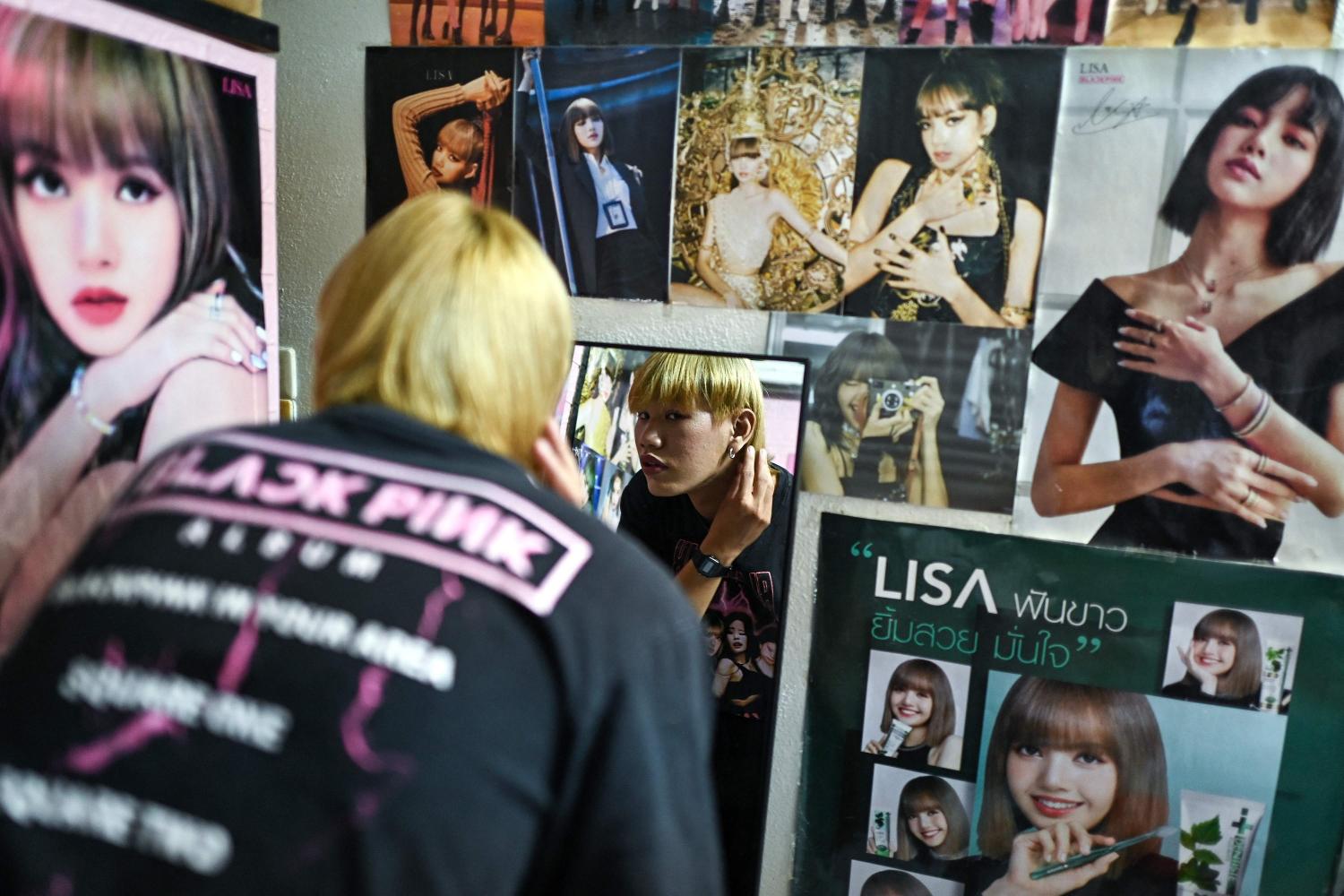
» Last week Prime Minister Prayut Chan-O-cha issued a new soft power policy to promote Thai culture as part of efforts to attract international visitors. Upon close scrutiny, what the government is trying to do is actually raise revenue. In a nutshell, it is a sales pitch, nothing more.