



Showing 1 - 10 of 12
Asean juggles triangular power game
Oped, Kavi Chongkittavorn, Published on 09/04/2024
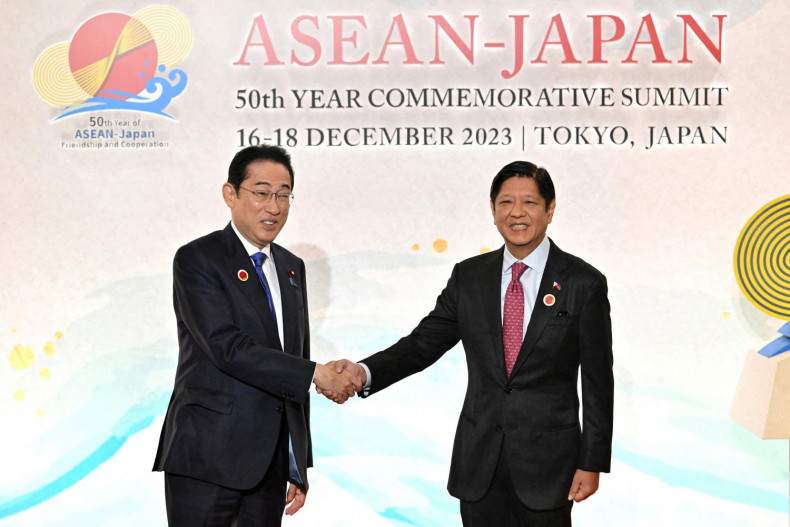
» A rising China, a trusted Japan, and a declining America are three cogs dictating the global geopolitical landscape in Southeast Asia in the months, if not years, to come. Amidst intensifying geopolitics, Asean is in a position where this could either be a blessing or a curse.

Finally, Japan shows diplomatic finesse
Oped, Kavi Chongkittavorn, Published on 31/10/2023
» One quick slash by a katana is all that it takes. That was what Japan did by staying out the recent statement of the Group of Seven (G7) on the Israel-Hamas war, which has already resulted in huge cost to human life. Japan has a soft spot when it comes to civilian casualties and the advent of war. The devastating effects of the atomic bombs are still fresh in the collective memories of the Japanese public.

Deepening of Thai-US economic links
Oped, Kavi Chongkittavorn, Published on 22/08/2023
» During the last three months of the caretaker government, there have been unexpected and extraordinary movements in Thailand-US relations, both here and in Washington. Several key American lawmakers have visited Bangkok and pledged further US support for stronger economic and security relations with Thailand. In Washington, a group of bipartisan senators has set up the "US-Thai Alliance Caucus" in Congress.

Lessons from Hun Sen's Cambodia
Oped, Kavi Chongkittavorn, Published on 08/08/2023
» If international relations experts and scholars want to study a small state's diplomatic manoeuvres amid the ever-changing geopolitical landscape, they should make Cambodia their case study. With a new prime minister, Hun Manet, now in charge, the question remains: Will he be able to keep up with his father's multipolar politics?

Asean broadens its geopolitical profile
Oped, Kavi Chongkittavorn, Published on 18/07/2023
» Asean's geopolitical profile has significantly expanded under Indonesia's chairmanship, especially regarding the bloc's external relations with the great powers. Jakarta might be found wanting in its addressing of the Myanmar crisis, but that's understandable given the complexity of the stakeholders involved both on the battlefield and beyond.
Asean sticks to peace agenda in Ukraine
Oped, Kavi Chongkittavorn, Published on 21/02/2023
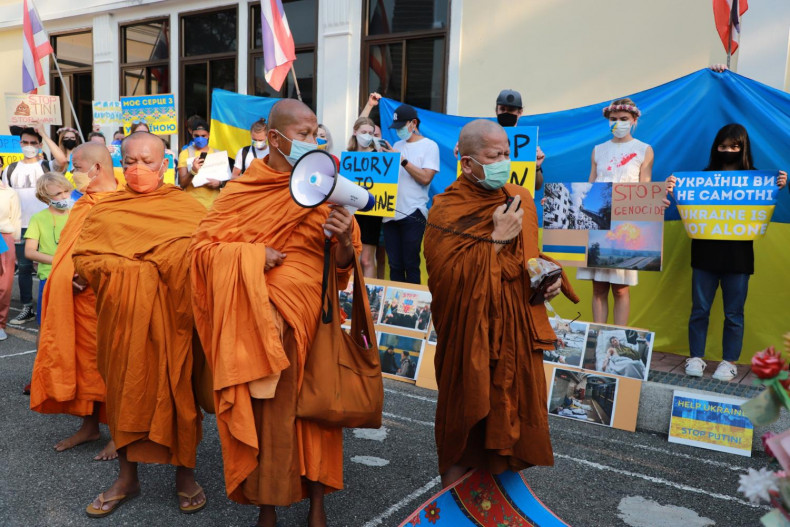
» This week marks the first year of Russia's invasion of Ukraine. The biggest war in Europe since World War II will continue as nobody knows when, or if ever, Russia or Ukraine will be defeated. Certainly, the US and Europe, or rather Nato are confident that more military hardware support to Kyiv is the only way to bleed Russia dry. Recent rhetoric from the West at the Munich Security Conference last week has already raised the spectre of a long war, perhaps short of a nuclear war. Obviously, that has the potential to drag other European nations into the conflict, which is already a proxy war. Belarus has allowed Russia to use its territory to wedge war against Ukraine. Even if the war ends -- it is a big if -- the dire repercussions will continue for generations.
Indonesia ramps up diplomatic profile
Oped, Kavi Chongkittavorn, Published on 02/08/2022
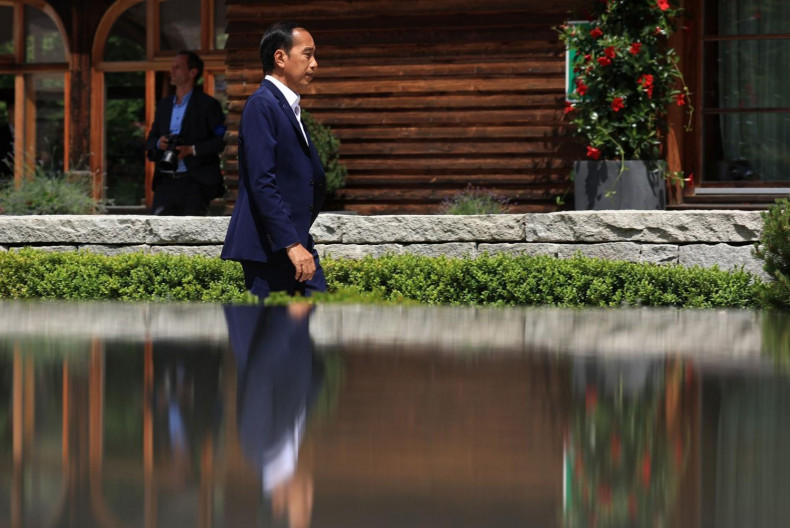
» In the post-Cold War era in Southeast Asia, Indonesia has always been an important weathervane in demonstrating the state of "realpolitik" in the region. Therefore, the recent diplomatic flurry of high-profile visits by Indonesian President Joko Widodo, popularly known as Jokowi, shows the country's efforts to stay ahead of today's rapidly changing strategic landscape, in particular in the Indo-Pacific region.
Remembering Abe and Japan's rise
Oped, Kavi Chongkittavorn, Published on 12/07/2022
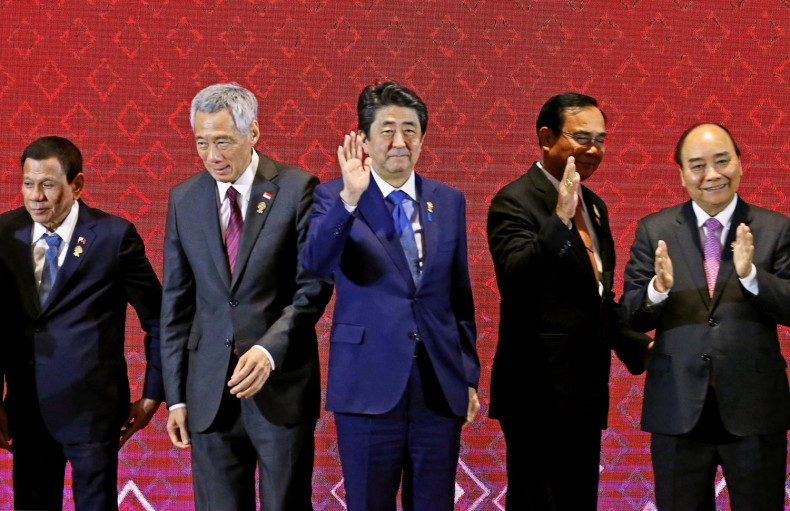
» It is not an overstatement to say that the late prime minister Shinzo Abe single-handedly promoted Japan's regional and international profile through unconventional economic and security policies. Abe linked his country's economic policies with security and strategic twists in its relations with the rest of the world, Asean in particular.
Asean: Where US, China can reconcile?
Oped, Kavi Chongkittavorn, Published on 14/06/2022
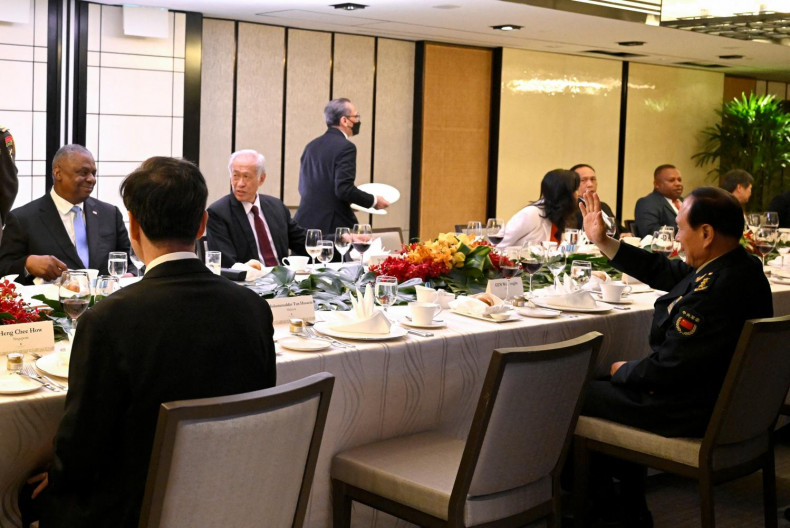
» Southeast Asia is unenviably the region to which the major powers, be they the US, China, the European Union, India, Russia, Australia or Japan, are according to the highest priority at this juncture. All of these countries are on the same page as far as Asean is concerned. An Asean that is stable, peaceful, and focused on regional economic integration would be beneficial to the international community. This trend is in reverse in other parts of the world.
Leadership changes in the Indo-Pacific
Oped, Kavi Chongkittavorn, Published on 07/06/2022
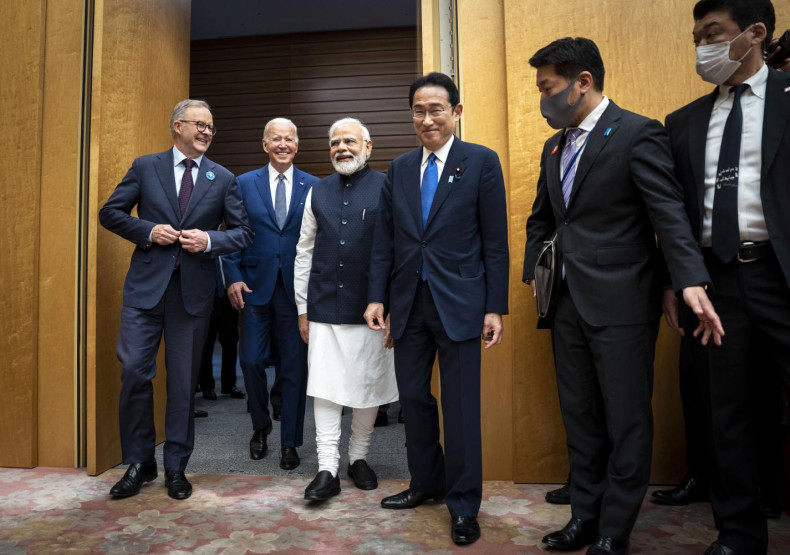
» New leaders in the Indo-Pacific region -- Australia, South Korea and the Philippines -- will significantly impact the future trajectory of US-China relations. Their policy shifts, even nuances, could either moderate or harden the two powers' strategic rivalries.