



Showing 1 - 6 of 6

Safeguarding peace after border conflict
News, Kavi Chongkittavorn, Published on 06/01/2026
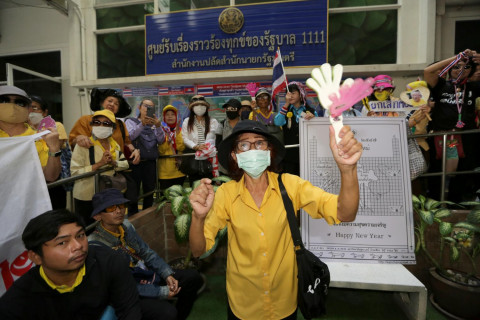
» 2026 began with good news: Thai–Cambodian ties showed signs of improvement following the release of 18 Cambodian soldiers on the final day of 2025. The fighting has stopped, but the wounds have left deep scars that are highly visible and difficult to heal. Worse, public trust across the border remains low, while anguished emotions remain high.
Social media and Thai-Cambodian ties
News, Kavi Chongkittavorn, Published on 27/05/2025
» After two full days of intense discussions, senior Cambodian officials, journalists, and Phnom Penh-based Thai diplomats and representatives of the private sector, unanimously agreed on the pivotal role of social media -- it can either promote peace or instigate war.
Combatting fake news the Asean way
Oped, Kavi Chongkittavorn, Published on 06/06/2023
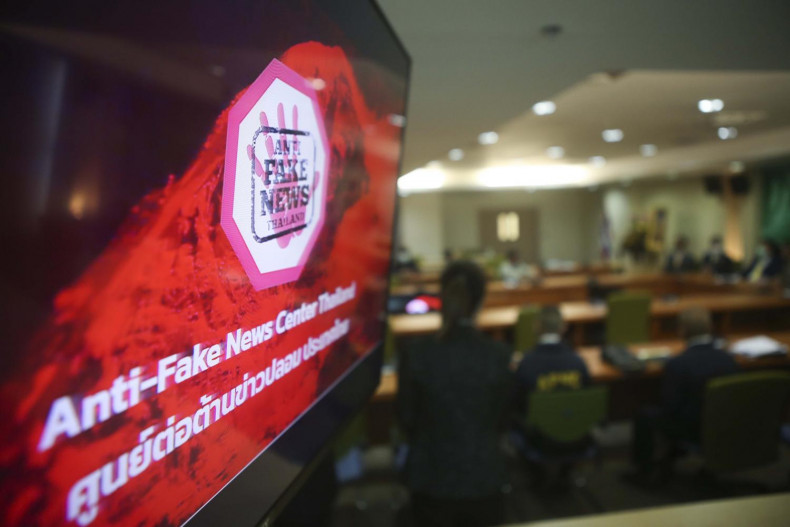
» Three weeks have passed since the general election, and the Thai media is still flooded with fake news and disinformation of all kinds. Essentially, these are designed to harm a particular individual, a political group or the country. Overall, the country's domestic environment is very fluid. Aside from efforts to form a new coalition government, the most important issues are related to national security and diplomacy.
Govt backs information as public good
News, Kavi Chongkittavorn, Published on 30/11/2021
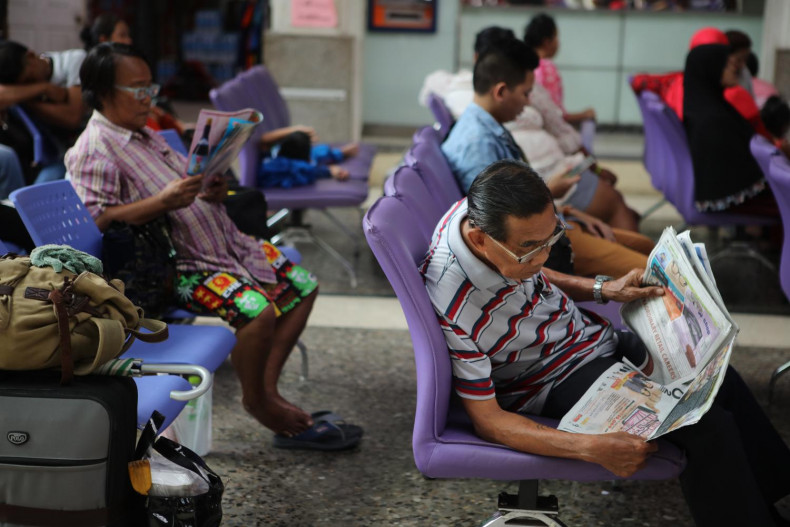
» At the recent Unesco General Conference this month, one of the key issues discussed and debated among member countries was the state of global media development. The overall picture painted was very gloomy. For one thing, traditional journalism, for which the writer needs to be on the ground to report, is vanishing fast. In newsrooms around the world, the craft of journalism is becoming a rarity due to budget constraints in terms of hiring staffers to report, check and verify sources, as well as put into context all the information received.
Fighting chance for Malaysian opposition
News, Kavi Chongkittavorn, Published on 08/05/2018
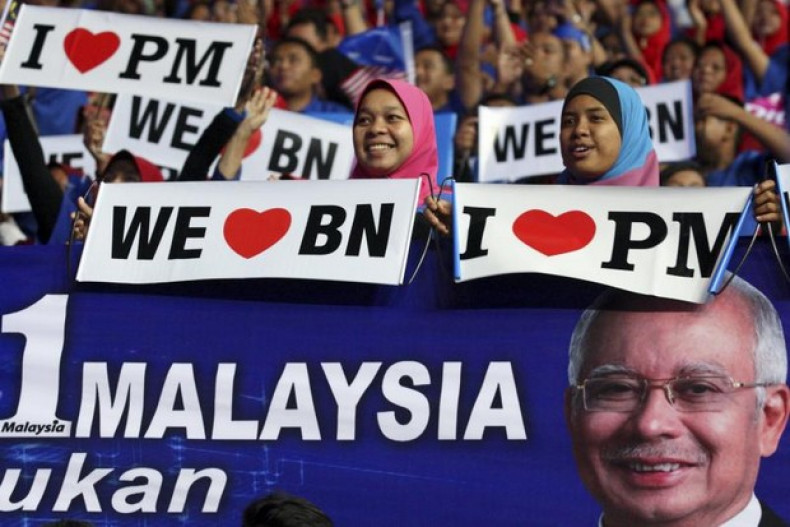
» It would be hard these days to say anything about Malaysian politics without the risk of being branded as "fake news". But tomorrow 14,940,624 voters will have the last say, as they are expected to cast ballots at 8,989 polling centres throughout the country. Fake news aside, they will decide who is the real prime minister. After all, the leading contestants are both former and current Malaysian prime ministers, both of whom belonged to the same party, Barisan Nasional (the National Front), which has retained power for the past 61 years.
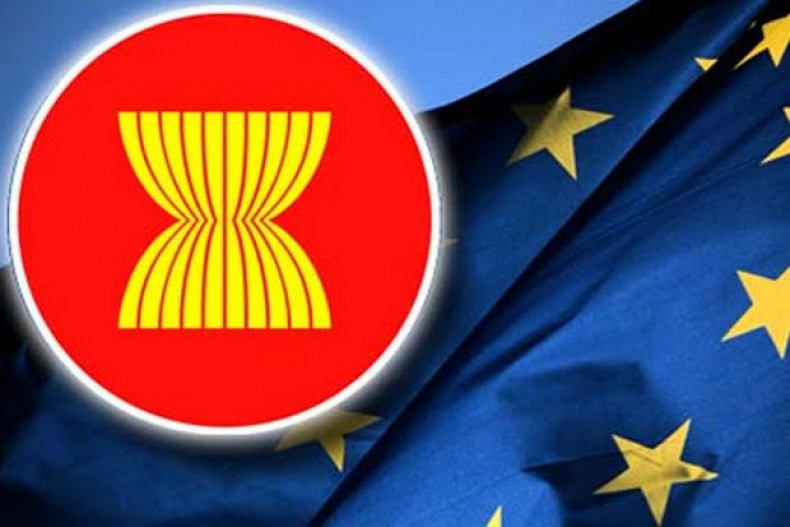
EU-Asean relations fall under a curse again
News, Kavi Chongkittavorn, Published on 06/03/2018
» Each time that Asean-EU ties appear to be on an upward curve, some mishap occurs. In the past year, due to major geopolitical shifts regionally and globally, particularly over transatlantic ties, the EU has paid more attention to Asean, wanting to strengthen ties beyond trade and investment, including on security and strategic matters. Likewise, scenting the US backsliding from multilateral forums, Asean is looking toward the EU as the new stabilising force for the region's economic progress, peace and prosperity. It is still a tall order, as the EU is searching for the right approach to win hearts and minds in the world's second-most successful regional grouping.